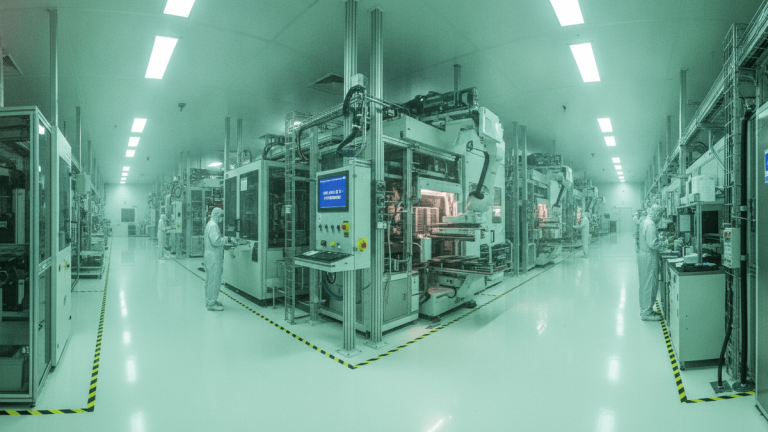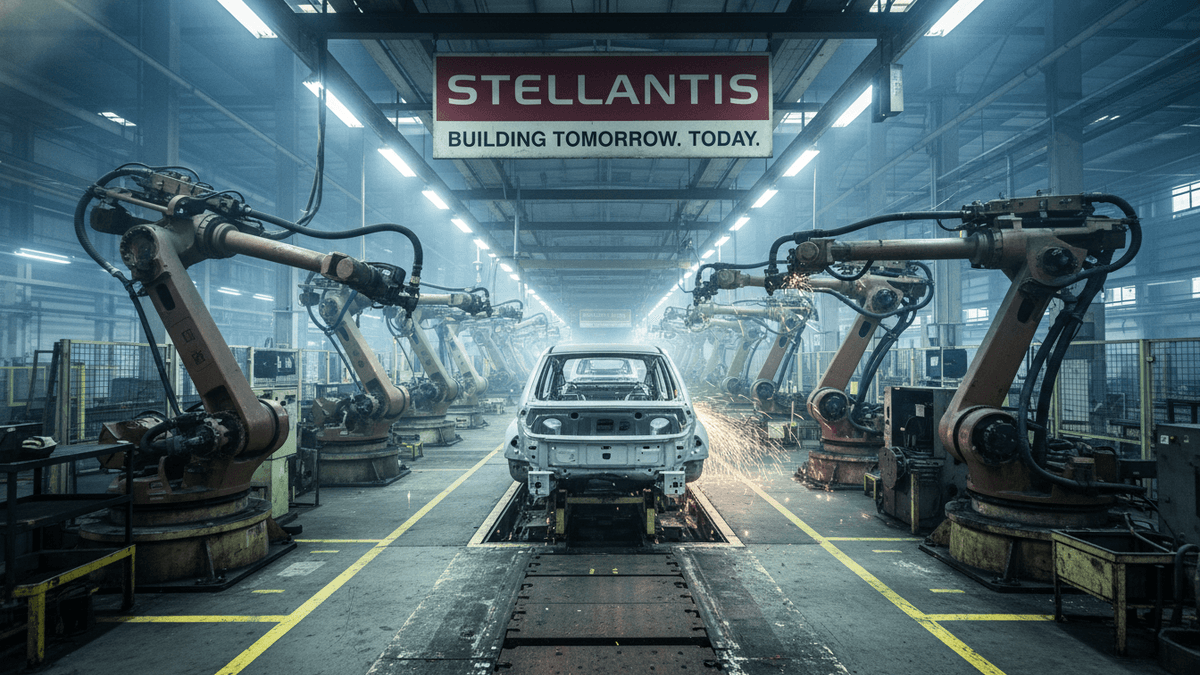
Stellantis auto assembly line, sparks flying from robotic welders
Stellantis, the automotive giant behind brands like Chrysler, Jeep, Dodge, and Ram, has announced a significant $70 billion turnaround strategy set to unfold over the next five years. This ambitious plan aims to refocus the company on its core brands, forge new external partnerships, and optimize the utilization of its factory capacity.
A key component of this strategy is the planned introduction of 60 new models by 2030. These vehicles will span a mix of internal combustion engine, hybrid, and fully electric options, signaling Stellantis’s commitment to evolving its product lineup.
Under the leadership of new CEO Antonio Filosa, Stellantis is shifting towards a more collaborative approach, actively seeking external partnerships. Recent tie-ups include production agreements with Chinese firms Leapmotor and Dongfeng, as well as cooperation with Tata Motors and its U.S. unit JLR. These collaborations are designed to leverage Stellantis’s existing manufacturing capacity, generating revenue through contract production by third parties rather than leaving plants idle.
The company is also strengthening its technological capabilities through partnerships with industry leaders like Qualcomm and Applied Intuition, alongside a collaboration with self-driving startup Wayve. This approach aims to share development costs and accelerate progress in crucial areas such as software and autonomous driving technology.
Filosa has also introduced a new hierarchical structure for Stellantis’s 14 brands. Approximately 70% of brand and product investment will be directed towards high-volume brands including Jeep, Ram, Peugeot, and Fiat, as well as the Pro One division for commercial vehicles. Brands like Chrysler and Alfa Romeo will adopt a more regional focus, while Lancia and DS will play specialized roles within Fiat and Citroen, respectively.
The product strategy will emphasize a range of more affordable vehicles to support volume growth while maintaining profitability. Stellantis plans to invest over $27 billion in its platforms, powertrains, and technologies, while simultaneously targeting nearly $7 billion in annual cost savings by 2028.
The announcement comes as Stellantis shares have seen a year-to-date decline. As of early afternoon Thursday, the stock was up slightly, rebounding after an initial dip, but remains down nearly 34% year-to-date and over 28% in the past year.
About the Author