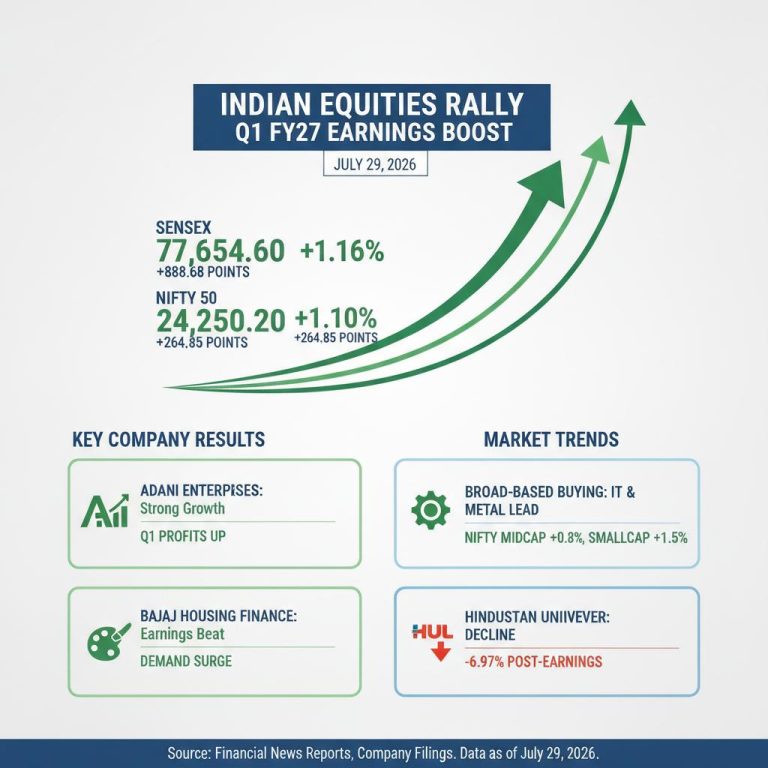
South Asian economies, including India and Bangladesh, are currently contending with a persistent outflow of foreign capital, a trend that is raising alarms about their future economic development. India, in particular, has witnessed a substantial withdrawal of approximately $45 billion from its markets over the past two years. This exodus is attributed to a confluence of factors, including high market valuations, disappointing corporate earnings, a lack of engagement with high-growth sectors like AI hardware, sluggish private investment, and persistent bureaucratic obstacles.
Experts emphasize that India requires comprehensive structural reforms to invigorate its manufacturing sector, stimulate investment, and enhance the ease of doing business. Meanwhile, Bangladesh has also experienced a net capital outflow from its capital market, despite a notable 25% increase in foreign portfolio investors’ stock trading activity during the 2025-26 fiscal year, which had reached a four-year high. This outflow was exacerbated by pre-election political uncertainty, a brief post-election recovery, and a subsequent downturn influenced by the Iran-US conflict.
Market observers suggest that foreign investors are actively reallocating their capital away from Asian markets, including both Bangladesh and India, towards more regulated financial environments. This strategic shift is driven by concerns over escalating geopolitical tensions, Bangladesh’s vulnerability to energy price fluctuations, and the deterrent effect of its capital gains tax regime, which is widely perceived as a significant barrier to attracting foreign investment.
About the Author