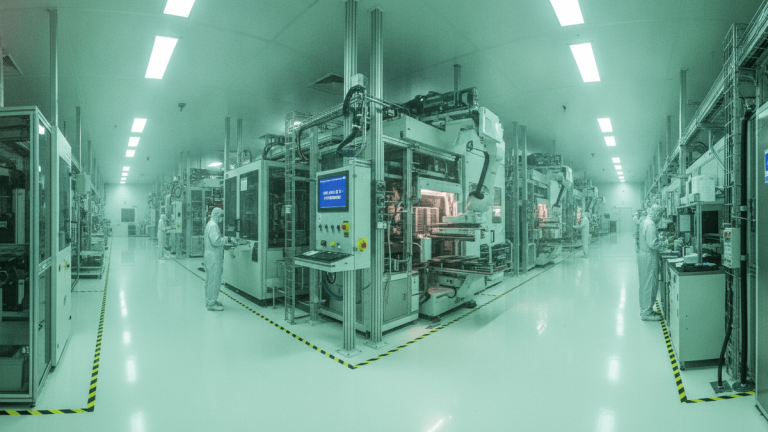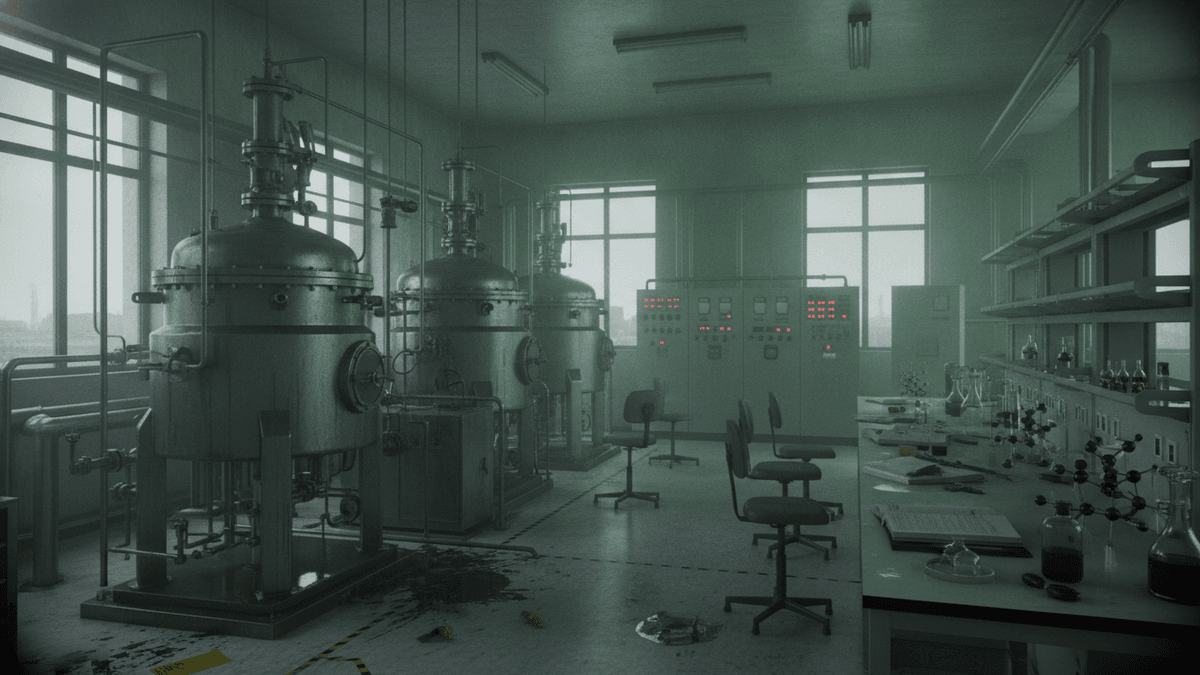
Neglected pharmaceutical research lab with biohazard stains and outdated equipment.
India, a powerhouse in global drug manufacturing, is facing a significant talent crisis that could undermine the worldwide effort to combat antimicrobial resistance (AMR). The nation’s capacity to produce essential medicines and innovate in antibiotic development is being hampered by a growing shortage of skilled professionals in critical areas.
Antimicrobial resistance, a phenomenon where bacteria, viruses, and fungi evolve to resist existing treatments, is a looming global health emergency. The World Health Organization (WHO) has repeatedly warned that AMR could lead to millions of deaths annually by 2050 if not addressed urgently. India, often referred to as the “pharmacy of the world” due to its extensive generic drug production, plays a pivotal role in ensuring access to affordable medicines globally.
However, the industry is experiencing a deficit in specialized expertise, particularly in fields like peptide chemistry and regulatory science. These are crucial for developing new antibiotics and ensuring compliance with international standards. This talent gap is compounded by a concerning trend of declining investment in antibiotic research and development within the pharmaceutical sector. As a result, India’s ability to not only produce existing drugs but also to innovate and prepare for future health threats is at risk.
The lack of a robust pipeline of future leaders in these specialized domains poses a direct threat to the global fight against AMR. Without adequate skilled personnel, the development of novel antimicrobial therapies and the maintenance of high-quality manufacturing processes become increasingly challenging, potentially leaving millions vulnerable to drug-resistant infections.
About the Author