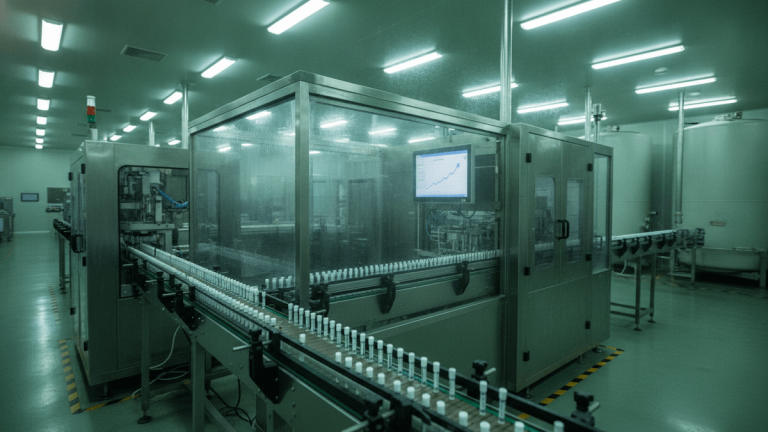
Corporate campuses of Novo Nordisk, Vivtex, GSK, and 35Pharma Inc. connected under overcast sky.
The pharmaceutical industry is buzzing with significant merger and acquisition (M&A) activity as two major players, Novo Nordisk and GSK, announce substantial new deals. These strategic moves highlight evolving investment priorities and a keen focus on innovation within the drug development landscape.
Danish pharmaceutical giant Novo Nordisk has entered a partnership agreement with Vivtex, a company at the forefront of oral drug delivery technology. This collaboration, valued at up to $2.1 billion, aims to leverage Vivtex’s proprietary platform to enhance the oral bioavailability of Novo Nordisk’s therapeutic candidates. The partnership signals a strong commitment to improving drug delivery mechanisms, particularly for complex molecules that traditionally require injectable administration.
Concurrently, British multinational pharmaceutical company GSK is set to acquire 35Pharma Inc. for $950 million. While specific details about 35Pharma Inc.’s pipeline were not disclosed, this acquisition is indicative of GSK’s strategy to integrate new assets and capabilities directly into its existing portfolio, likely to strengthen its position in a key therapeutic area or fill a specific gap in its drug development pipeline.
For Novo Nordisk, the Vivtex partnership underscores a clear strategy to overcome challenges in oral drug delivery. Improving oral bioavailability can dramatically increase patient convenience and adherence, potentially unlocking new markets and improving outcomes for existing therapies. The $2.1 billion figure reflects the high value placed on innovative delivery technologies in the highly competitive pharma sector. GSK’s acquisition of 35Pharma Inc. represents a more traditional bolt-on acquisition, aimed at integrating new assets or capabilities directly into its existing portfolio. Both transactions signal a broader trend: pharmaceutical companies are actively seeking external innovation and growth opportunities to maintain a competitive edge and address unmet medical needs.
These deals could set a precedent for future M&A and partnership structures in pharma. We might see an increased focus on specialized technology firms like Vivtex, as companies look to enhance drug efficacy and delivery methods. For GSK, the successful integration of 35Pharma Inc. will be crucial in demonstrating the value of its acquisition strategy. Investors and operators in the startup ecosystem should note that while large-scale acquisitions continue, significant value is also being placed on strategic partnerships that bring specialized technological advancements to the table. The continuous flow of capital into these deals suggests robust confidence in the long-term growth prospects of the pharmaceutical industry, driven by innovation and strategic consolidation.
About the Author