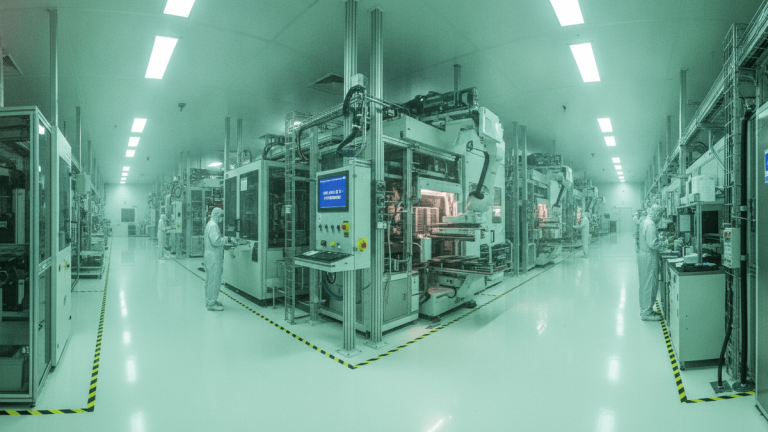
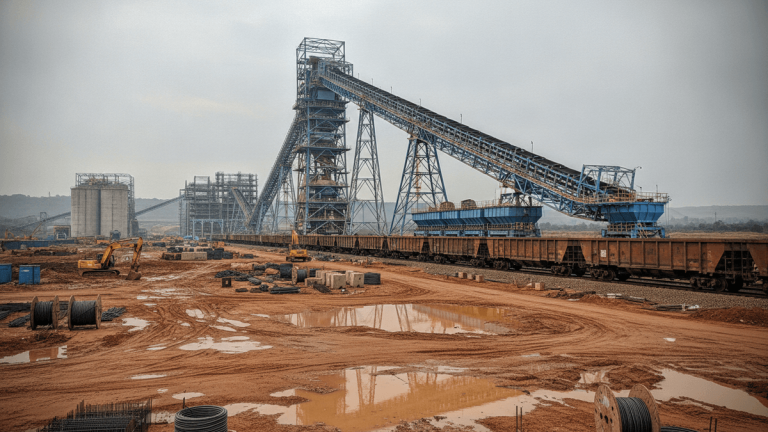
Indian factory workers grapple with logistics challenges amidst a bustling, cluttered warehouse.
India’s ambitious ‘Make in India’ initiative, aimed at boosting domestic manufacturing, is encountering a significant challenge: its logistics infrastructure is struggling to keep pace with production growth. While manufacturing output is on the rise, the nation’s ability to reliably deliver goods to market is being undermined by a critical imbalance in transportation modes and insufficient warehousing facilities, particularly in newly emerging manufacturing hubs.
This mismatch between production capacity and logistical capabilities poses a threat to India’s global competitiveness. The “Make in India” program, designed to transform the country into a global manufacturing powerhouse, relies heavily on efficient supply chains. However, the current state of logistics, characterized by over-reliance on certain transport modes and a lack of adequate storage, leads to unreliable delivery timelines and increased costs.
Addressing this gap requires a parallel focus on “Move in India,” ensuring that the infrastructure for transporting and storing manufactured goods is as robust as the manufacturing capabilities themselves. Without substantial improvements in logistics, the full potential of ‘Make in India’ may remain unrealized, hindering the nation’s economic aspirations.
About the Author