Pakistan is grappling with a severe energy crisis, a situation largely self-inflicted due to decades of policy failures and mismanagement, rather than a scarcity of natural resources. The nation’s energy woes trace back to the premature depletion of its natural gas reserves, particularly the vast Sui Gas fields discovered in 1952. This valuable resource was consumed without adequate long-term planning or the development of alternative energy sources.
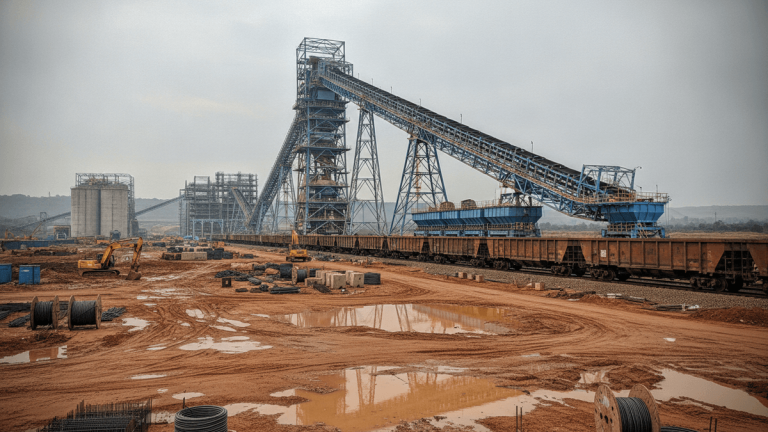
Dr. Farid A Malik, a former Chairman of the Pakistan Science Foundation, highlights the significant potential of domestic resources like Thar Coal, the country’s largest coal deposit. Despite initial challenges, projects to utilize Thar Coal for power generation and gasification have commenced, with further plans for a urea plant to convert syngas into fertilizer. This domestic resource, however, remains largely unexploited.
The article contrasts Pakistan’s approach with that of countries like China and the USA, which have implemented comprehensive energy security strategies. China has a well-defined plan for energy security, while the USA established the Department of Energy to explore diverse energy options, leading to the successful utilization of Shale Gas. India’s commitment to coal gasification projects further underscores a proactive approach to energy management.
Currently, Pakistan’s industries are struggling under the weight of high fuel costs. Critical energy projects, including the development of hydel power, the full exploitation of Thar Coal, and the discovery of new gas reserves, have not been brought to fruition. The author stresses the urgent need for critical self-assessment and fundamental policy reforms to overcome these persistent energy challenges and restore industrial competitiveness.
About the Author