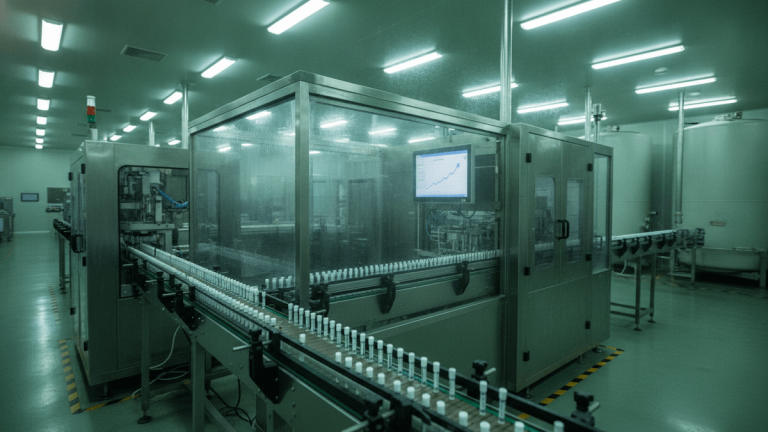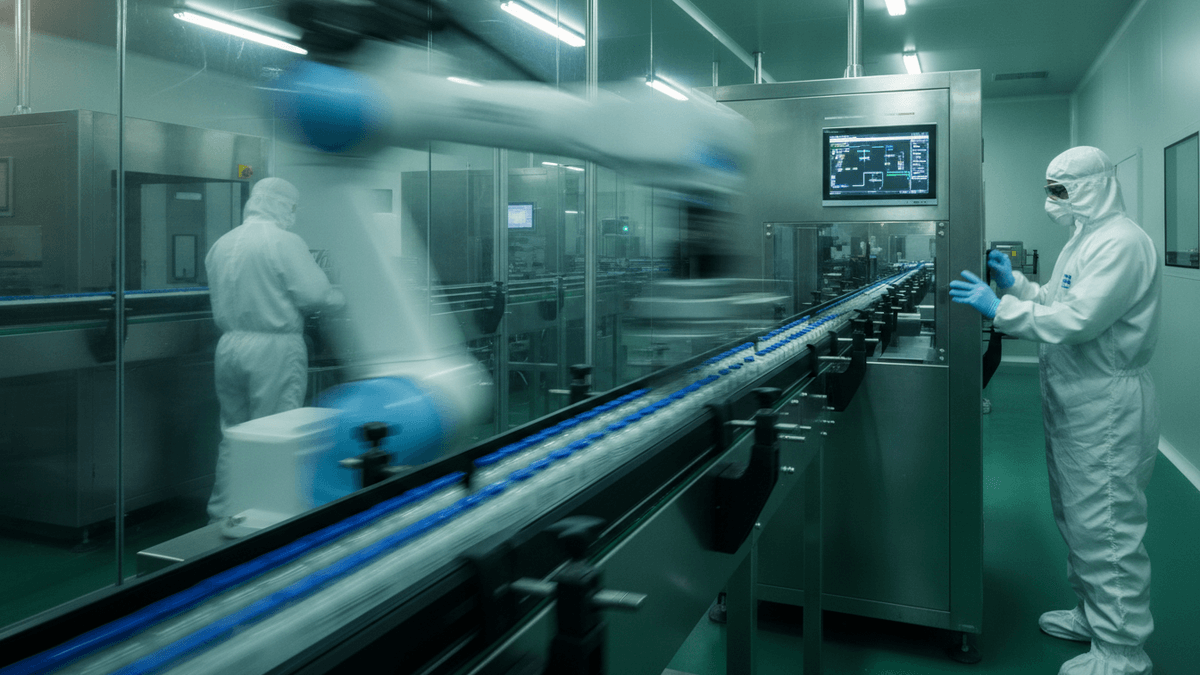
Pharmaceutical production line with worker overseeing automated processes.
Indian pharmaceutical companies are rapidly evolving, moving beyond their traditional focus on generic manufacturing to become major global players. The strategic tool driving much of this transformation? Mergers and acquisitions (M&A). This shift isn’t just about growth; it’s about owning global value chains and securing a foothold in lucrative, high-value segments like biosimilars and specialty therapies.
A prime example of this strategic pivot is Sun Pharmaceutical Industries’ recent acquisition of Organon. This move underscores a broader trend: Indian pharma firms are actively seeking to strengthen their market presence worldwide and diversify their portfolios. Experts in the field emphasize that M&A acts as a powerful accelerator, providing immediate access to new markets, advanced R&D capabilities, and critical intellectual property.
The motivations behind these deals are clear. M&A helps companies navigate challenges such as impending patent cliffs and the significant funding gaps often associated with internal innovation. By acquiring established entities, Indian pharma can quickly gain the expertise and infrastructure needed to compete in complex, regulated markets.
However, the path to post-acquisition success is not without its hurdles. Integrating diverse regulatory processes, harmonizing quality management systems, and bridging cultural differences between merging entities pose significant challenges. These operational complexities can often make or break a deal’s long-term value.
Despite these integration complexities, the outlook remains bullish. Industry observers anticipate a surge in large-ticket, cross-border M&A deals in the coming years. Particular focus areas are expected to be specialty pharma, biologics, and women’s health segments, signaling a continued strategic push by Indian pharmaceutical companies to climb the value chain and solidify their position on the global stage.
About the Author