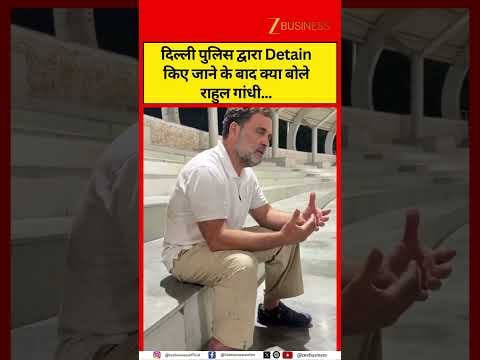
The escalating political tensions surrounding India’s education system reached a flashpoint as opposition leader Rahul Gandhi, recently detained by Delhi Police, demanded the immediate resignations of two senior cabinet ministers and a public apology from Prime Minister Narendra Modi. This move signals a significant escalation in the opposition’s challenge to the government over alleged examination irregularities and student grievances.
Gandhi’s actions came after his attempt to initiate a parliamentary debate on student issues was reportedly blocked. “The government had no interest in having a debate,” Gandhi stated, prompting his decision to stage a protest outside the Prime Minister’s residence to draw national attention to what he termed “the most important issue for the country.”
At the core of Gandhi’s demands are systemic failures within the Indian education sector. He highlighted critical questions: “Why is the Indian education system collapsing? Why are papers leaking? Why is education so expensive in India? Why do families have to destroy themselves financially to educate their children?” These questions resonate with millions of students and their families grappling with the high stakes of competitive examinations and the financial burden of higher education.
Specifically, Gandhi laid out a clear set of demands: the resignations of Education Minister Dharmendra Pradhan and Home Minister Amit Shah; swift action against those responsible for the alleged harm and humiliation of students during protests; and the immediate withdrawal of all legal cases filed against protesting students. Furthermore, he insisted that the opposition be allowed to debate these critical issues in both the Lok Sabha and Rajya Sabha.
In a direct message to Prime Minister Modi, Gandhi suggested, “For what happened yesterday, what your government and your Home Minister did, you should apologize to the students of the country and quickly begin reforms in the examination and education systems.” This public call for an apology and immediate reform underscores the gravity of the situation and places significant pressure on the government to address the widespread discontent.
The political fallout could be substantial. The demands for ministerial resignations from such prominent figures could lead to significant parliamentary disruptions and further intensify the opposition’s campaign. For the education sector, the allegations of widespread paper leaks and the prohibitive cost of education threaten to erode public trust and could necessitate urgent, comprehensive reforms to safeguard the future of India’s youth and its human capital development. Businesses, particularly those in ed-tech, watch closely as policy shifts could either open new opportunities or create regulatory hurdles. This ongoing crisis highlights the critical intersection of governance, education, and social stability.
About the Author