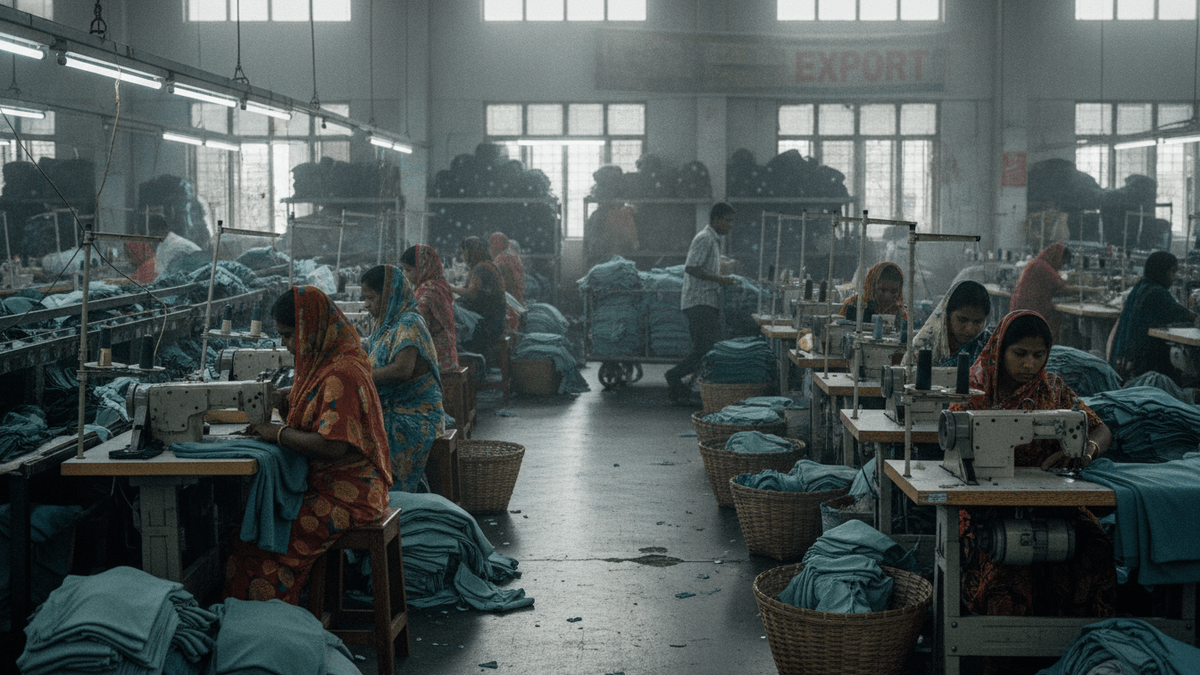
Daylight illuminates a bustling garment factory floor in South Asia with workers and machinery.
For businesses in South Asia navigating the complexities of international payments, a comprehensive review of established platforms like PayPal is crucial. As of a July 2026 update, PayPal continues to be a prominent player, offering essential tools for online transactions, but its regional limitations are increasingly prompting businesses to explore alternatives.
PayPal’s business accounts in South Asia facilitate online checkouts, invoicing, and payment links, enabling customers to pay via PayPal, cards, and select digital wallets. Its integration capabilities with major e-commerce platforms like Shopify and WooCommerce streamline sales processes for many merchants. However, the platform presents notable drawbacks for businesses with global ambitions. Critically, PayPal does not offer multi-currency support for holding foreign currencies in South Asia, forcing conversions that can erode margins. Furthermore, receiving international payments typically incurs a substantial 4.40% plus a fixed fee, compounded by an additional 3% foreign exchange markup. Geographically, PayPal’s operational reach is also limited, as it is not currently available in Bangladesh and Pakistan, excluding a significant portion of the region’s business landscape.
In this evolving financial ecosystem, WorldFirst emerges as a compelling alternative, particularly for businesses focused on international trade. Its multi-currency World Account allows businesses to hold funds in over 15 currencies, a stark contrast to PayPal’s single-currency limitation in the region. This feature is complemented by a business virtual card and extensive marketplace integrations, supporting over 130 platforms globally. Crucially, WorldFirst facilitates seamless payments to China, a key market for many South Asian businesses. A direct comparison of fee structures highlights WorldFirst’s competitive edge: it offers zero monthly fees, free multi-currency accounts, and free incoming payments, directly addressing PayPal’s charges for receiving funds and currency conversions.
The strategic implications for South Asian businesses are clear: the choice of payment platform significantly impacts operational efficiency and profitability in a globalized market. While PayPal offers familiarity and basic online transaction tools, its fee structure and lack of multi-currency support in South Asia may prove costly for businesses with international aspirations. WorldFirst, with its multi-currency capabilities, lower fees, and broader international reach, especially concerning payments to China and extensive marketplace integrations, presents a strong case for businesses seeking to optimize their cross-border financial operations in 2026 and beyond. Businesses must weigh their specific needs against these platform capabilities to secure the most advantageous financial infrastructure.
About the Author