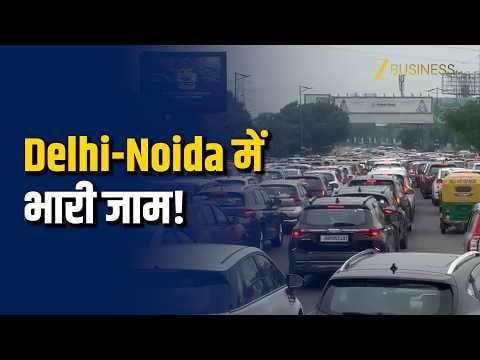
Commuters navigating the crucial Delhi-Gurugram Expressway recently faced substantial gridlock, as extensive police checks and traffic management efforts brought vehicular movement to a crawl. Vehicles were backed up for several kilometers, transforming routine commutes into hours-long ordeals.
The congestion was directly attributed to the deployment of police personnel tasked with managing traffic flow and conducting thorough vehicle inspections. While the precise reasons for the heightened checks were not immediately detailed, such deployments often aim at enhancing security, enforcing traffic regulations, or addressing specific intelligence inputs.
However, the operational impact on daily commuters, including startup founders rushing to meetings or logistics operators facing delivery deadlines, is significant. Beyond personal inconvenience, prolonged delays on such a vital economic artery can ripple through local businesses dependent on timely movement of goods and personnel, potentially affecting productivity and operational costs.
This incident underscores the delicate balance between urban security measures and maintaining efficient infrastructure. For businesses operating in the Delhi-NCR region, understanding and anticipating such disruptions becomes critical for supply chain resilience and employee well-being. Proactive communication from authorities regarding planned checks or alternative routes could mitigate economic impact, fostering a more predictable environment for commerce.
About the Author