The specter of rising crude oil prices is once again casting a long shadow over Indian markets. After a 40-day hiatus, Brent crude has surged past the $90 per barrel mark, a development that’s triggering significant concern among market analysts and investors alike.
This isn’t just a minor fluctuation; it’s a critical shift. Crude’s journey from $70 to over $90 is largely underpinned by escalating geopolitical tensions, particularly between Iran and the United States. Threats to the vital Hormuz Strait, a key global chokepoint for oil shipments, are adding a substantial risk premium to prices. For a net oil importer like India, this jump directly translates into higher import bills and inflationary pressures, impacting everything from fuel costs to manufacturing inputs.
The immediate fallout is most evident in India’s rate-sensitive sectors. Banks, already grappling with mixed earnings, are feeling the pinch. Non-Banking Financial Companies (NBFCs), auto manufacturers, and real estate developers are also experiencing a downturn. Higher crude prices typically lead to increased inflation, prompting central banks to maintain or raise interest rates to curb price rises. This, in turn, makes borrowing more expensive, directly impacting these credit-dependent sectors.
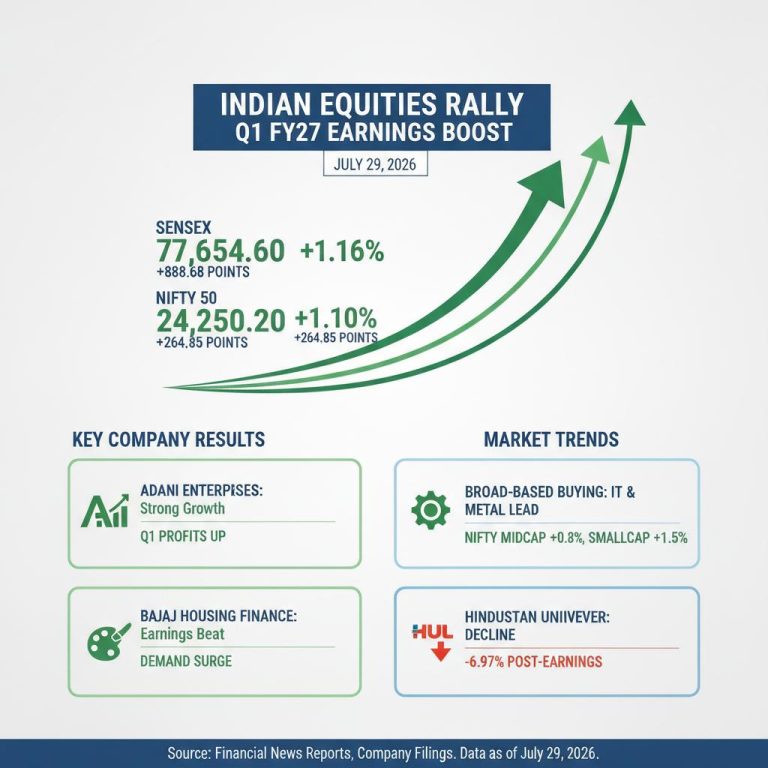
A market analyst from Zee Business noted the palpable pressure, observing a sharp decline in NBFC shares. While foreign institutional investor (FII) selling hasn’t been excessive, the underlying commodity shock is potent enough to unnerve domestic sentiment. Should crude oil sustain levels around or above $90, it poses a significant challenge for the Nifty to hold above the 24,400-24,500 range. Key support levels are identified at 23,800 for the Nifty and around 57,300 for the Bank Nifty. A sustained close below these points could signal deeper market weakness.
For startup founders, investors, and operators, this crude surge demands caution. Businesses reliant on transportation, manufacturing with high energy inputs, or those operating in the auto and real estate sectors should brace for potential headwinds. Until crude prices show signs of moderating, a strategic re-evaluation of exposure to these rate-sensitive segments is prudent. The current geopolitical backdrop ensures that energy markets will remain a critical barometer for broader economic stability.
About the Author