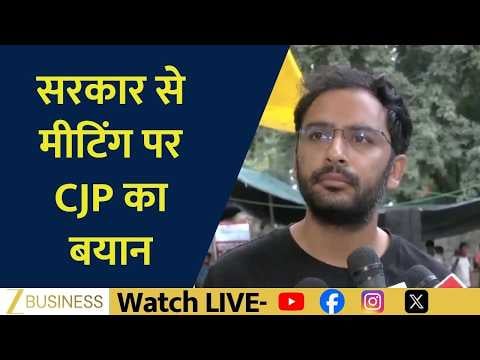
The deadlock between the CJP and the government continues today as representatives meet again, with CJP firm on its core demand for Pradhan’s resignation. This pivotal meeting follows yesterday’s “positive” talks, which yielded an in-principle agreement on compensation and legal cases, yet left the central issue unresolved.
Speaking to the media, CJP representative Ashutosh Ranka confirmed the constructive nature of yesterday’s discussions. He expressed optimism about securing a “return agreement” today, signifying a written pact on the previously discussed points. However, Ranka unequivocally stated that “nothing less than Pradhan’s resignation will be acceptable,” drawing a clear line in the sand for the CJP’s negotiating position.
The strategic implication is clear: despite progress on subsidiary issues, the CJP is unwilling to compromise on its primary demand. This creates a high-stakes scenario for both parties. While the government may have offered concessions on compensation and legal matters, its apparent reluctance to address the resignation demand, as suggested by “sources” in mainstream media, risks derailing the entire negotiation process. For the CJP, conceding on Pradhan’s exit would undermine its leverage and the perceived success of its advocacy.
All eyes are now on today’s session. If the government fails to yield on Pradhan’s resignation, the CJP has indicated it will move forward with a “further strategy.” This could escalate the situation beyond the negotiating table, potentially impacting public discourse and government stability. The coming hours will determine whether a breakthrough is possible or if the impasse will deepen.
About the Author