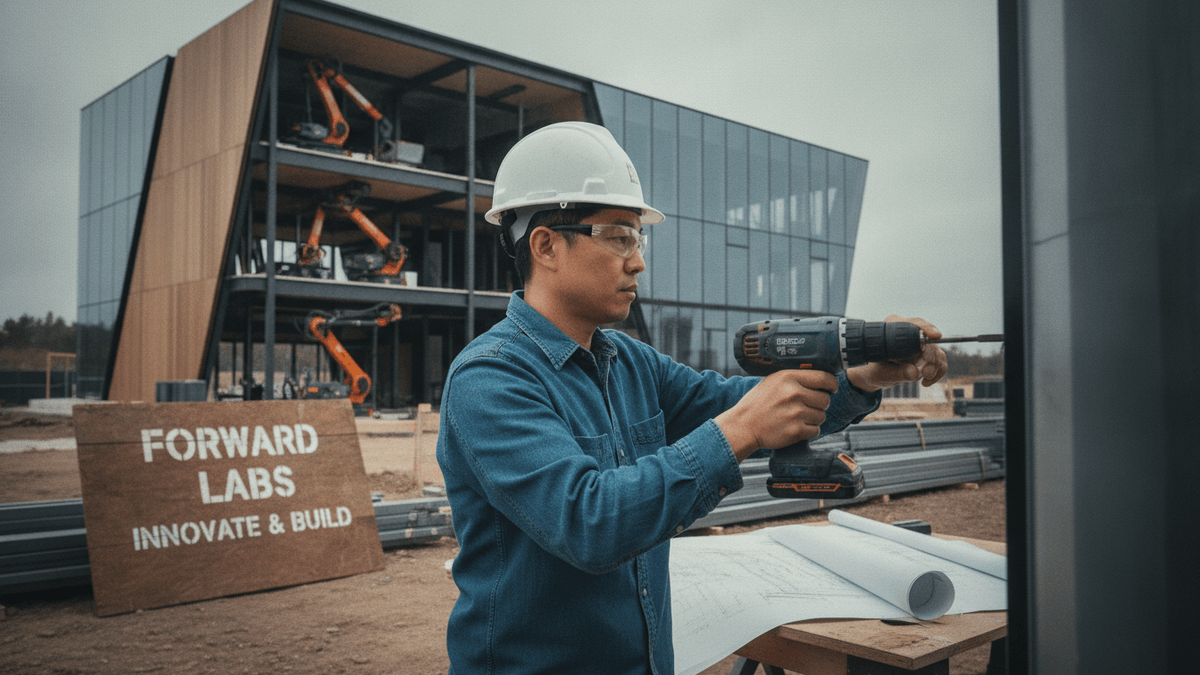
Andrew Yang working on a construction site with "FORWARD LABS" sign.
Andrew Yang’s 2020 presidential campaign sounded an alarm about the impending economic disruption from automation and artificial intelligence. His core message, centered on the potential for these technologies to hollow out the labor market and exacerbate wealth concentration, once seemed like a fringe idea. However, the landscape has shifted dramatically, with prominent figures like Dario Amodei, Sam Altman, and Bernie Sanders now echoing similar concerns about the societal and economic impacts of advanced technology.
At the time, concepts like Universal Basic Income (UBI), a key tenet of Yang’s platform, were considered radical. Today, the conversation around UBI and its potential role in mitigating technological unemployment has moved into the mainstream, reflecting a growing societal awareness of the challenges ahead. This shift in discourse underscores the prescience of Yang’s warnings.
An entrepreneur by nature, Yang appears to be channeling his energy into proactive development rather than solely advocating for legislative action in Washington. This pivot suggests a belief in the power of innovation and entrepreneurship to address the very issues he highlighted during his campaign. By focusing on building, Yang is actively participating in shaping the future he once warned about, likely seeking to create the solutions that will be necessary as automation and AI continue to advance.
The timing of this shift is significant. As AI development accelerates and its integration into various industries becomes more pervasive, the economic implications are becoming increasingly apparent. The fact that figures across the political and technological spectrum are now voicing similar concerns indicates a broader consensus is forming around the need for adaptation and strategic planning in the face of these transformative forces.
About the Author