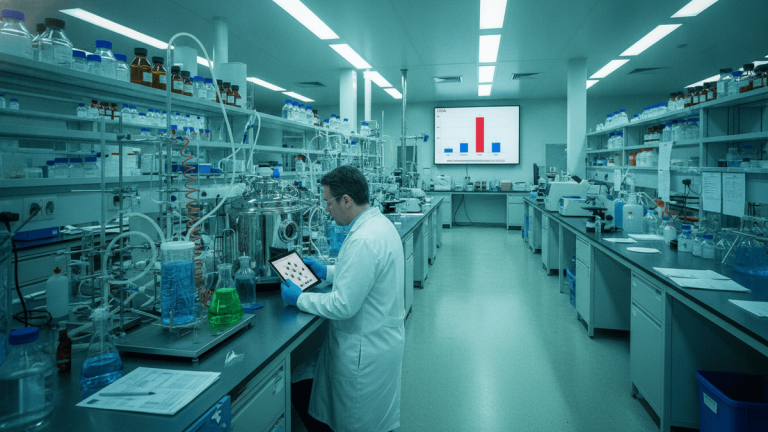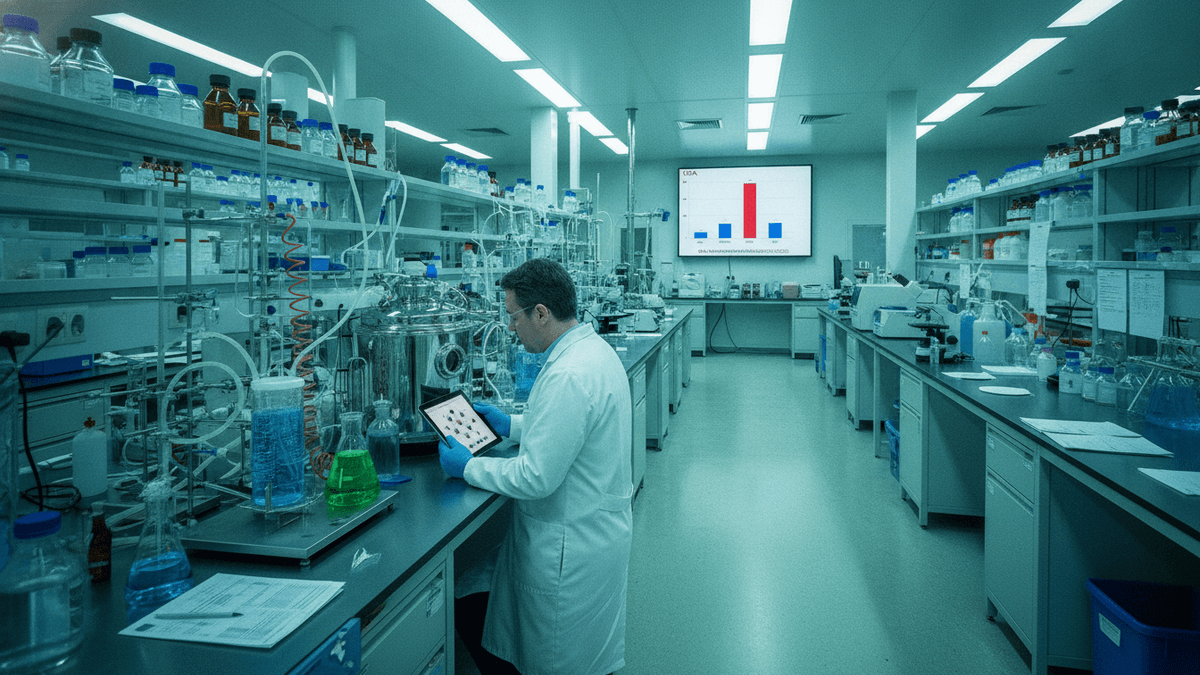
Scientist reviews data on tablet in a pharmaceutical research lab
New research from the Office of Health Policy indicates that the United States bears a disproportionate financial burden for the development of new prescription medications. The report, which was obtained by FOX Business, reveals that Americans are responsible for nearly 80% of the innovative revenue generated by drugs launched between 2020 and 2025.
This finding suggests that no other country comes close to the U.S. in its contribution to the research and development costs of new pharmaceuticals. Japan, the next highest contributor, accounts for approximately 5.5% of innovative revenues for drugs launched in the same period and about 5.8% of innovative revenues for all medications.
The U.S. Trade Representative’s office has initiated a Section 301 investigation into Germany’s plans to decrease spending on pharmaceutical products. Germany currently accounts for about 3.4% of revenue for innovative medications from 2020 to 2025. This investigation could potentially lead to President Donald Trump imposing 100% tariffs on pharmaceutical imports from Germany or other goods from the country.
U.S. Trade Representative Jamieson Greer expressed concern over Germany’s legislative actions, stating, “This is a serious step backwards at a time when our trading partners need to step up and start paying their fair share to fund innovative pharmaceutical research and development.”
Johnson & Johnson CEO Joaquin Duato has voiced agreement with the government’s stance, emphasizing the need for other countries, particularly in Europe, to contribute equitably. He also highlighted the role of middlemen in capturing a significant portion of medicine value, suggesting that this value should ideally go directly to patients to reduce their out-of-pocket expenses.
President Trump has previously stated that his use of tariffs has been instrumental in compelling other countries to contribute financially, thereby preventing American patients from bearing excessive costs. He noted that “Most Favored Nations would not be possible without my use of TARIFFS, which are getting other Countries to ‘pay up’ instead of relying on American Patients getting ripped off.”
Seventeen major pharmaceutical companies have reportedly signed agreements for Most Favored Nations status for certain medications. The findings from the Office of Health Policy report could serve as evidence supporting the Trump administration’s concerns that the costs of medications borne by Americans are excessively high compared to those in other developed nations.
About the Author