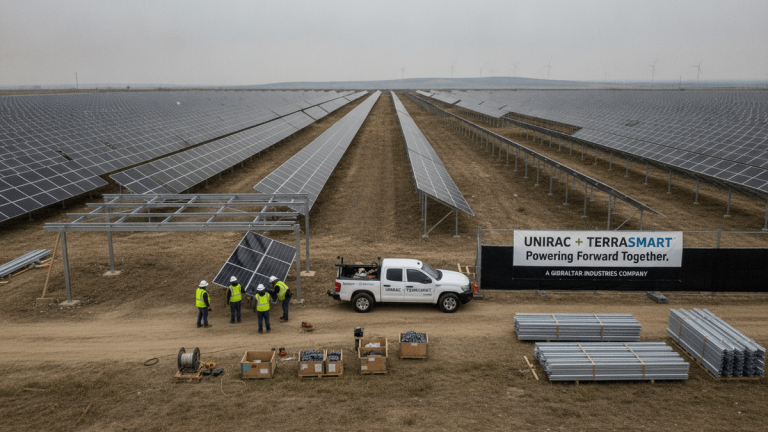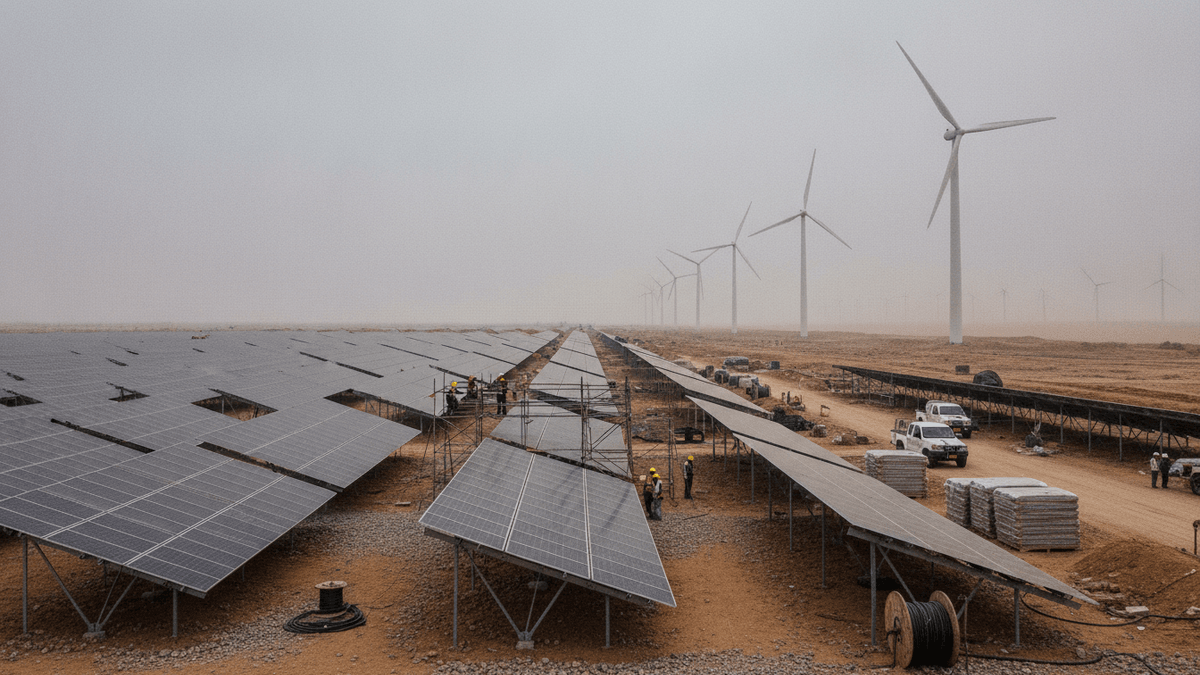
Workers installing solar panels at a large-scale hybrid renewable energy project in India.
India’s power sector is currently undergoing a monumental, multi-year transformation, marking a critical juncture for investors and operators eyeing one of the world’s fastest-growing energy markets. This isn’t just incremental growth; it’s a systemic overhaul driven by an aggressive push into renewable energy, alongside strategic expansions in storage and thermal capacities.
A recent report by Equirus sheds light on the scale of this ambition, projecting a significant capital expenditure cycle. While this will inevitably lead to increased balance sheet leverage for private players until fiscal year 2030, the report anticipates stabilization as new assets come online. This means substantial upfront investment for long-term gains, a classic growth-market dynamic.
Key industry players are already outlining their aggressive targets. Torrent Power, for instance, aims for an impressive 10GW of renewable capacity and 8.4GW of pumped storage by FY30. Similarly, JSW Energy is targeting a massive 30GW generation capacity and 40GWh of storage within the same timeframe. Not to be outdone, state-owned giant NTPC is also scaling up, planning to reach 67GW by FY30, albeit with a more comfortable leverage position due to its public backing.
For those tracking the sector, the period between 2026 and 2030 is particularly crucial. This window represents the peak for project execution and commissioning, which Equirus identifies as the primary earnings catalysts. The successful rollout of these projects will dictate the profitability trajectory and operational efficiency of these companies, ultimately shaping the landscape of India’s future energy mix. Strategic capital allocation and flawless execution during this phase will be paramount for securing market leadership and delivering shareholder value.
About the Author