Patrick Pouyanné, CEO of TotalEnergies, is slated to be a key speaker at the upcoming Angola Oil & Gas (AOG) 2026 conference. His address will focus on the company’s substantial and expanding investments across Angola’s diverse energy sector.
TotalEnergies holds a significant position in Angola, with major operations in offshore oil fields and ongoing exploration in new territories. The company’s strategic direction aligns with Angola’s national goals of maintaining oil production levels and pursuing new development opportunities. A prime example of this is the Kaminho development in Block 20/11, a multi-billion-dollar project projected to start production in 2028, with an expected output of around 70,000 barrels of oil per day. Additionally, TotalEnergies has secured an extension for its operatorship of Block 32 until 2043 and is enhancing exploration efforts in collaboration with ExxonMobil and Angola’s National Oil, Gas and Biofuels Agency.
Natural gas is also a critical element of TotalEnergies’ strategy in Angola. In March 2026, the company achieved its first gas production from the Quiluma field, a landmark for Angola’s non-associated gas development. Once fully operational, the Quiluma and Maboqueiro fields are expected to process approximately 330 million cubic feet of gas daily, contributing about two million tonnes of liquefied natural gas (LNG) annually and increasing domestic gas supply.
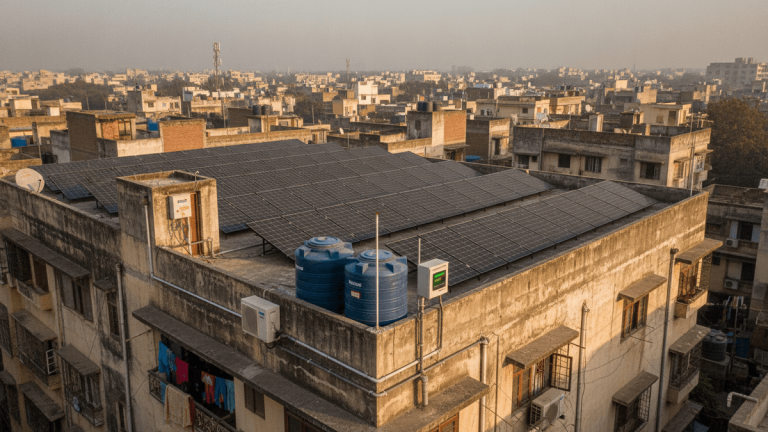
Beyond its fossil fuel operations, TotalEnergies is actively investing in renewable energy through the Quilemba Solar Project, located near Lubango. This project, currently under construction, will initially deliver 35 megawatt-peak (MWp) of electricity, with a planned second phase to add another 45 MWp. Upon completion in 2026, the solar facility will support Angola’s national grid and its broader energy diversification strategy.
Pouyanné’s participation in AOG 2026 is anticipated to underscore TotalEnergies’ enduring commitment to Angola. His insights are expected to contribute significantly to discussions surrounding the crucial balance between ensuring energy security, fostering economic growth, and advancing the transition towards lower-carbon energy development within the country.
About the Author