UN: Life Near Ukraine’s Front Lines a Fight for Survival
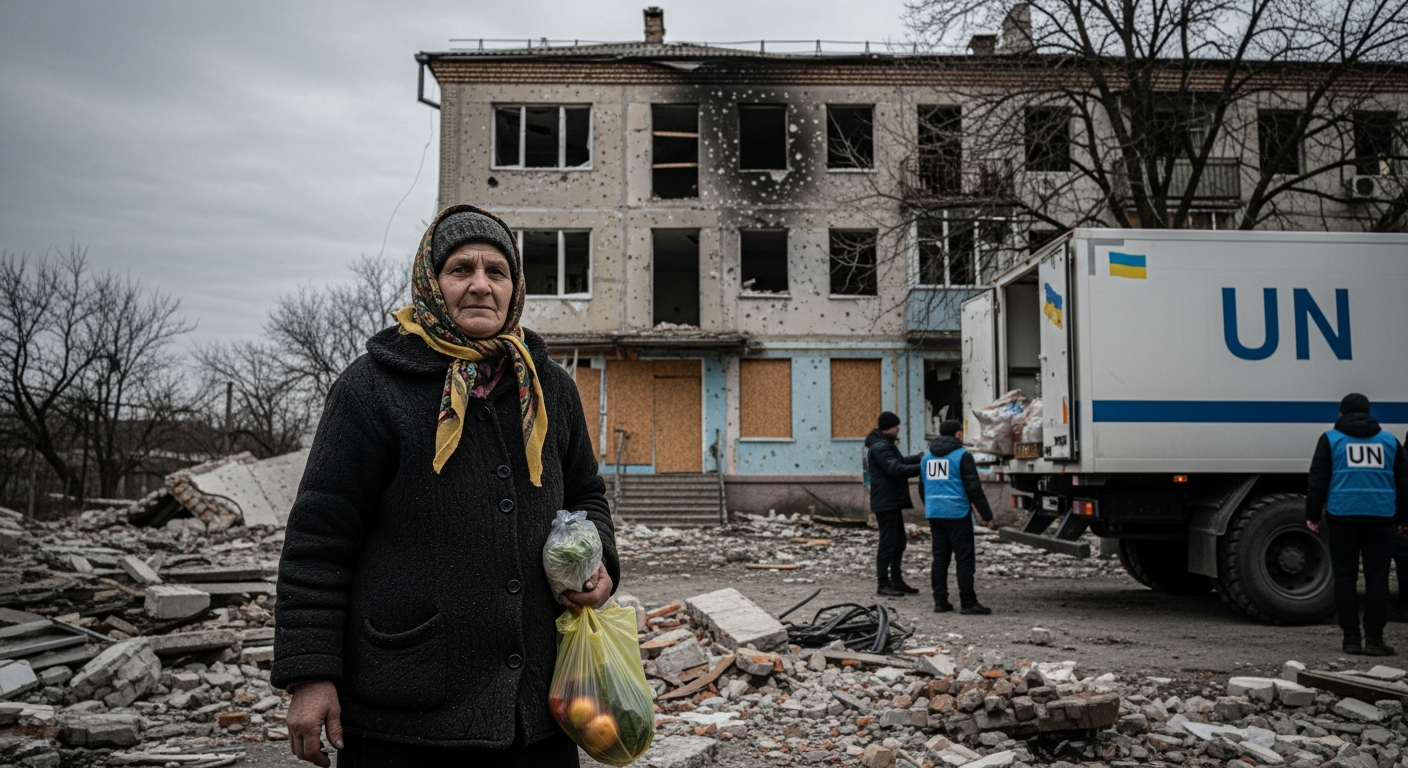
The United Nations has issued a stark warning: life for civilians near the front lines in Ukraine has become a desperate fight for survival. The ongoing conflict, particularly as winter looms, is exacerbating an already dire humanitarian situation. This assessment, delivered on Friday, highlights the devastating impact of the war on the Ukrainian people.
A Deepening Crisis
According to Matthias Schmale, the UN Humanitarian Coordinator in Ukraine, civilians are increasingly bearing the brunt of the war. As the country approaches its fourth winter since the Russian invasion began in February 2022, the situation is becoming critical. Schmale noted a 30% increase in civilian casualties in 2024 compared to 2023. A significant portion of these casualties, one-third of the deaths and injuries in 2025, were caused by drone attacks, reflecting a shift towards a more technologically advanced form of warfare.
The Impact of Conflict
The intensification of attacks near the front lines has forced over 57,000 people to flee their homes. Simultaneously, markets in these areas are increasingly paralyzed, limiting access to essential supplies. Schmale described it as a growing struggle for survival, particularly as the destruction of energy production and distribution capabilities threatens to leave civilians without heat and power during the harsh winter months. This is described as a form of terrorism.
Humanitarian Efforts and Future Outlook
The UN’s winter response plan, designed to provide aid to over 1.7 million people, including heating and financial assistance, is only 50% funded. The UN’s basic assumption for 2026 is that the war will continue, as there is currently no indication of an imminent end. While Schmale acknowledged the resilience of the Ukrainian people, he cautioned against overestimating their capacity to endure, noting that civilians are increasingly weary of the conflict. Furthermore, the war’s impact on mental health is also worsening, potentially affecting Ukraine for at least a generation, and perhaps longer.
Source: Annahar
About the Author