Trump’s Nuclear Test Order Sparks Fears of a New Arms Race
Former U.S. President Donald Trump has announced his intention to resume nuclear weapons testing, a move that has sent ripples of concern across the international community. This decision, made public on Friday, raises serious questions about the potential for a new arms race and the stability of the global nuclear deterrence system.
A Return to Testing After Decades
Trump’s declaration, made on Air Force One en route to Florida, indicated that the U.S. would soon conduct tests, although he did not clarify whether these would involve traditional underground nuclear tests, a common practice during the Cold War. “You’ll be hearing about it very soon,” he stated, adding that other countries are already pursuing such actions. This announcement follows a Thursday statement on Truth Social, where Trump instructed the U.S. military to resume nuclear weapons testing immediately, citing the need to maintain strategic deterrence against China and Russia.
Echoes of the Past: The Arms Race
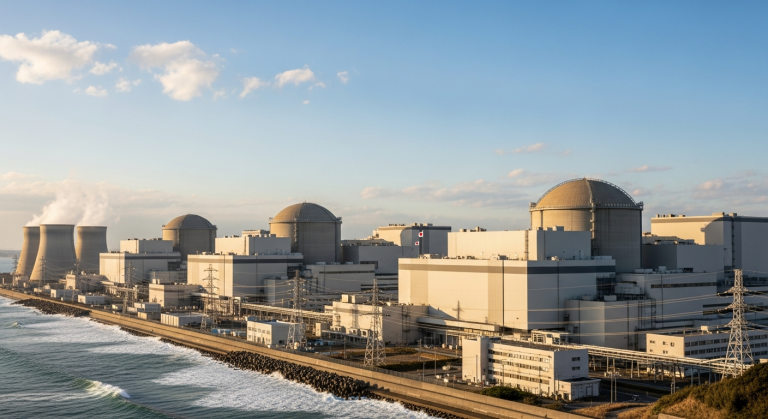
This surprising nuclear decision evokes memories of the arms race that defined the latter part of the twentieth century. During that period, major powers competed to expand their arsenals under the shadow of what was known as the balance of terror. However, it remains unclear whether the U.S. administration will limit itself to digital simulation tests under the supervision of the National Nuclear Security Administration or move towards field nuclear explosions, which would violate the Comprehensive Nuclear-Test-Ban Treaty, which Washington signed in 1996 but has not yet officially ratified.
Despite criticisms from international organizations advocating for arms control, Trump supporters view the move as a dual deterrence message to Beijing and Moscow. This comes amid reports that Russia conducted prohibited tests on hypersonic missiles equipped with nuclear warheads this year.
Geopolitical Implications and Trade Stalls
The implications of this decision extend beyond nuclear concerns. Trump also addressed trade relations, stating that the U.S. and Canada would not resume trade talks at this time. This decision comes after a week of suspending negotiations following an announcement by Ontario regarding local trade policies that Trump deemed uncoordinated with federal agreements. He noted that while relations with Canada are good, greater commitment is needed before resuming any serious economic dialogue.
These actions, coupled with ongoing complications in the North American Free Trade Agreement, suggest a strategic shift. Observers suggest that freezing talks with Ottawa may reflect Trump’s desire to focus on more sensitive issues in the Far East, particularly after his meeting with Chinese President Xi Jinping. Trump described the meeting as “great,” noting a long-term agreement and good progress on the fentanyl issue.
A Shift in Diplomatic Approach?
While Trump’s supporters see these stances as a return to American assertiveness, critics argue that the series of actions—from resuming nuclear tests to freezing trade negotiations—represents a setback in U.S. diplomacy, reviving the isolationist and confrontational rhetoric that characterized his early years in office. These developments are unfolding against a backdrop of complex international relations, including the fentanyl crisis and China’s expanding military cooperation with Venezuela, which is adding to the existing geopolitical tensions.
The decision to resume nuclear tests, the strained trade relations, and the evolving geopolitical dynamics signal a potentially significant shift in U.S. foreign policy, raising concerns about international stability and the future of global cooperation. The world watches with a mix of apprehension and anticipation as these developments unfold.
About the Author