Stampede Deaths: A Growing Concern in Religious and Cultural Events
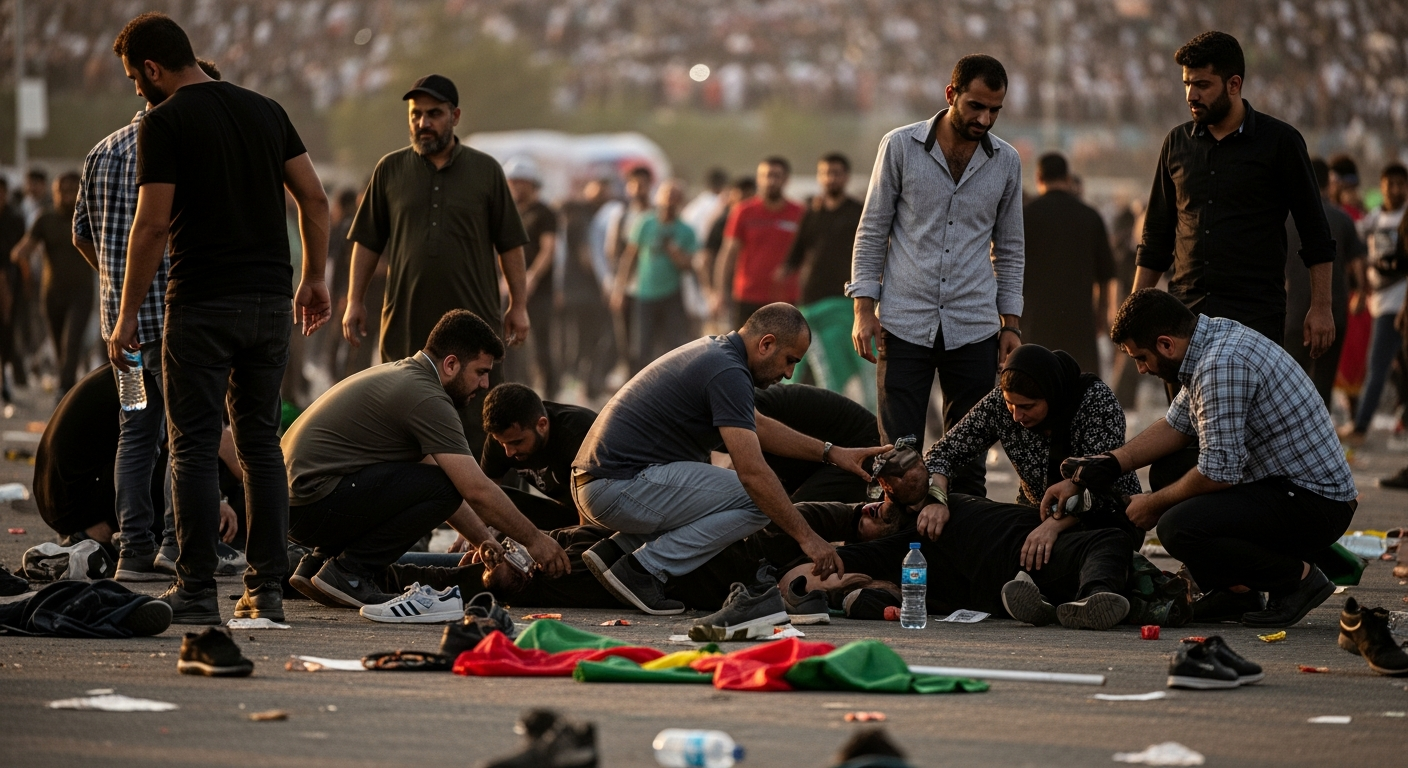
The increasing frequency of stampedes during religious and cultural events is a cause for serious concern. The recent incident at the Kasi Bugga Sri Venkateswara Swamy temple in the Srikakulam district of Andhra Pradesh serves as a stark reminder of the potential dangers associated with large gatherings. In this devastating event, a stampede resulted in the tragic deaths of 9 श्रद्धालुओं (devotees) and left dozens injured. (Source: Punjab Kesari)
The Incident and Its Impact
The stampede, which occurred unexpectedly, highlights the critical need for effective crowd management and safety protocols at such venues. The incident led to the loss of precious lives and caused injuries to many others. This unfortunate event underscores the importance of stringent safety measures to prevent similar tragedies in the future. The ‘what’ of this event includes the भगदड़ (stampede) and the मौतें (deaths), which occurred during a धार्मिक आयोजन (religious event).
Context of the Event
The incident took place at the Kasi Bugga Sri Venkateswara Swamy temple, located in the Srikakulam district of Andhra Pradesh. The ‘where’ of this event is significant as it occurred in a region where such incidents are, ideally, less frequent. The ‘why’ behind the concern stems from the rising instances of stampedes during religious and cultural events, necessitating a thorough examination of safety protocols and management practices.
Comparison and Concerns
The article notes that the management of temples in South India is generally considered better than that in North India. However, the occurrence of this incident, despite the perceived better management, raises pertinent questions about the adequacy and effectiveness of existing safety measures. This comparison highlights the need for continuous improvement and rigorous implementation of safety protocols across all regions.
Conclusion
The tragic event at the Kasi Bugga Sri Venkateswara Swamy temple serves as a sobering reminder of the importance of safety measures at religious and cultural gatherings. Addressing the ‘how’ of these incidents, through improved crowd management, and the ‘why’ by understanding the underlying causes, is crucial to prevent future tragedies. The focus must remain on ensuring the safety and well-being of all attendees at such events.
About the Author