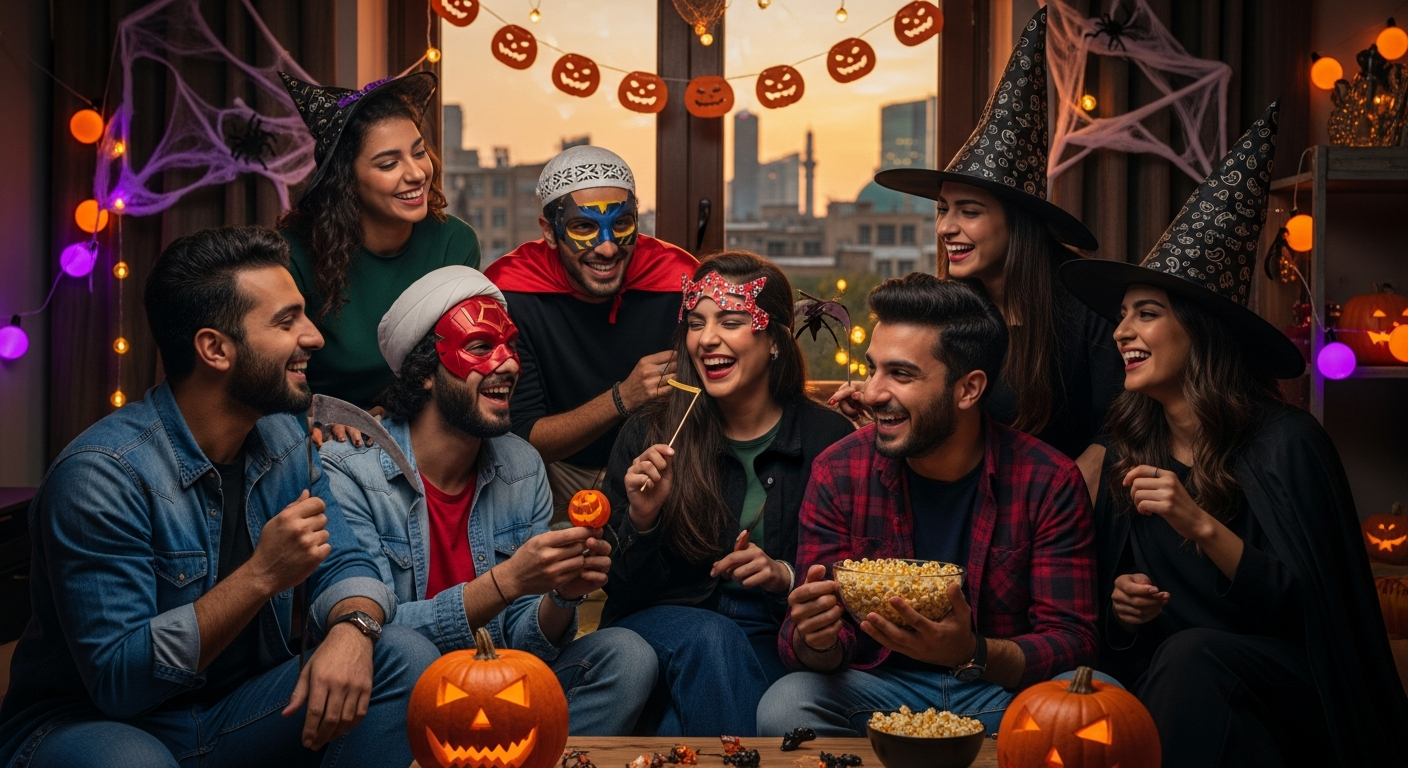
Halloween in Iran: A Youthful Pursuit of Joy Amidst Cultural Clash
For several years, Iranian youth have been participating in global celebrations like Halloween and Valentine’s Day, mirroring trends seen worldwide. This occurs despite government restrictions and prohibitions that have failed to curb the spread of these events. This dynamic raises questions about cultural exchange, youth identity, and the role of tradition in a changing society.
A Shift in Celebrations
A significant portion of young people, particularly teenagers in major cities like Tehran, Mashhad, Isfahan, and Shiraz, are moving away from official religious and national celebrations. Instead, they are organizing Western-style festivities like Halloween, Valentine’s Day, and even Christmas in some instances. The Iranian government, however, not only refuses to recognize these celebrations but also actively places obstacles and restrictions in their path.
The origins of Halloween trace back over two millennia to Ireland and Scotland, where celebrants believed the boundaries between the worlds of the living and the dead blurred on this night, with spirits returning to Earth. People wore frightening costumes and lit fires to protect themselves. In modern times, Halloween in Iran and other countries has transformed from a religious or ritualistic event into an opportunity for entertainment, creativity, and organizing parties and joy.
Youth, Joy, and Cultural Identity
Sociologists emphasize that most young Iranians participating in Halloween are not concerned with its traditional meaning or similar Western celebrations. Instead, they view it as a pretext for joy and gathering with the rest of the world. However, the difference in Iran lies in the government’s and traditional classes’ sensitivity to a particular topic, which increases the youth’s interest in it. Many seek their identity through distinction and protest.
Government officials, institutions, and the traditional pro-government class consider these celebrations a sign of Western cultural invasion and the spread of corruption. They confront them through all propaganda, executive, and even police means. Yet, with each passing year, the signs of Iranian girls and young men welcoming these celebrations in the streets of Tehran increase, clearly reflected in the virtual space.
The Virtual and the Real
Observations in Tehran this year showed that most Halloween celebrations were held in homes and villas, with some in larger spaces that charged an entrance fee for those interested. The photos and videos of these celebrations spread only in the virtual space. This year, coinciding with October 31, Halloween became a pretext for many youth gatherings, as celebration tools appeared for sale in online stores days before the occasion. These included skeleton costumes, fake blood tubes, decorative bats, and vampire masks, at various prices.
This year, coinciding with October 31, Halloween became a pretext for many youth gatherings, as celebration tools appeared for sale in online stores days before the occasion. These included skeleton costumes, fake blood tubes, decorative bats, and vampire masks, at various prices. Despite this, some restaurants and cafes in the city allocated special programs for the Halloween weekend and were often filled with young people. This welcome comes despite warnings from the Iranian police and the Chamber of Unions, in two separate statements, against holding any celebrations or selling or promoting Halloween tools in commercial units, with the threat of fines or the closure of shops.
According to the government spokesperson, Fatemeh Mohajerani, who often tries to avoid direct confrontation with the people’s desires, Halloween has no place in Iranian culture, adding, “We have many national celebrations that we can focus on.”
Halloween in the Iranian Virtual Space
Despite the lack of official organization, Halloween has a strong presence on social networks and in the virtual space in Iran, where supporters and opponents exchange their opinions intensely. Some Iranians see these occasions as blind cultural imitation, while others consider them an opportunity for creativity, entertainment, and experiencing a different life. Many believe that the widespread spread of Halloween symbols in the virtual space, especially among the younger generation, reflects a growing tendency towards global cultures and informal celebrations and should not be considered a cultural threat.
At the same time, some believe that these celebrations could contribute to revitalizing the stagnant Iranian economy, as they can invigorate the fashion, entertainment, games, and clothing industries. They also allow film companies, cosmetics brands, fashion designers, and chocolate producers to take advantage of the occasion to promote their products. However, opponents of Western celebrations say that when the government spends billions of dollars to promote its culture and desired lifestyle, the Western lifestyle should not be allowed to thwart these efforts.
Source: Annahar
About the Author