Algeria Abstains on MINURSO Mandate Renewal in Western Sahara
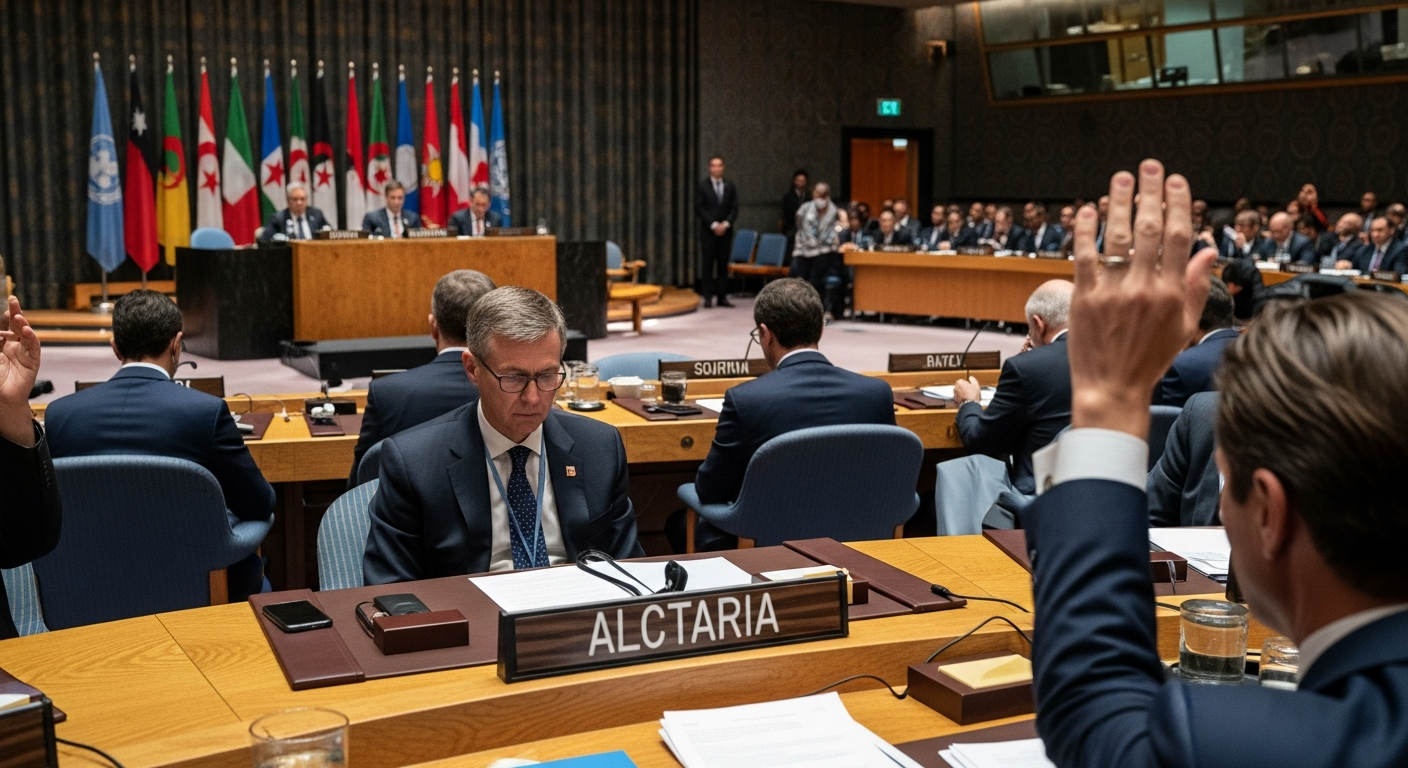
In a move that underscores the complexities of the Western Sahara dispute, Algeria abstained from voting on a resolution to renew the mandate of the United Nations Mission for the Referendum in Western Sahara (MINURSO) on Friday. This marks the second consecutive time Algeria has withheld its support for the resolution, according to the Algerian News Agency.
A Shift in the Resolution’s Course
The report highlighted Algeria’s role in altering the course of the resolution. Initially, the United States proposed a draft that, according to the agency, aimed to effectively dissolve the Sahrawi issue. However, Algeria, as a member of the UN Security Council, was able to transform the draft into a more balanced resolution. This new resolution reaffirmed the fundamental principles of international law, the UN Charter, and the Sahrawi people’s right to self-determination. The original text had described the autonomy proposal as the most credible and viable solution, even suggesting it as the sole framework for negotiation. It also proposed extending MINURSO’s mandate for only three months, which was interpreted as an attempt to impose a fait accompli and end the UN mission’s role, transforming it into a mere political mechanism.
Algeria’s Efforts and Negotiations
The news agency emphasized that Algeria’s efforts and consultations with various stakeholders led to a significant transformation of the text through successive revisions. This resulted in the final text presented just one night before the postponed voting session. This shift was evident in four main areas, which restored the political process to its balanced course.
International Support and the Autonomy Proposal
On Friday, the Security Council voted on a resolution that stipulates that Western Sahara will enjoy autonomy under Moroccan sovereignty. This step reflects growing international support for the Moroccan proposal, which the United States considers the only realistic solution to the decades-long conflict. The ongoing dispute involves key entities such as Algeria, Morocco, and the United States, each with its own stance on the future of the Western Sahara. The core issue revolves around the right to self-determination for the Sahrawi people and the modalities of resolving the conflict.
The decision to abstain from the vote reflects Algeria’s ongoing commitment to the principles of international law and its support for a resolution that balances the interests of all parties involved in the Western Sahara conflict. The situation remains a focal point of international diplomacy, with the UN and its member states continuing to seek a lasting resolution.
About the Author