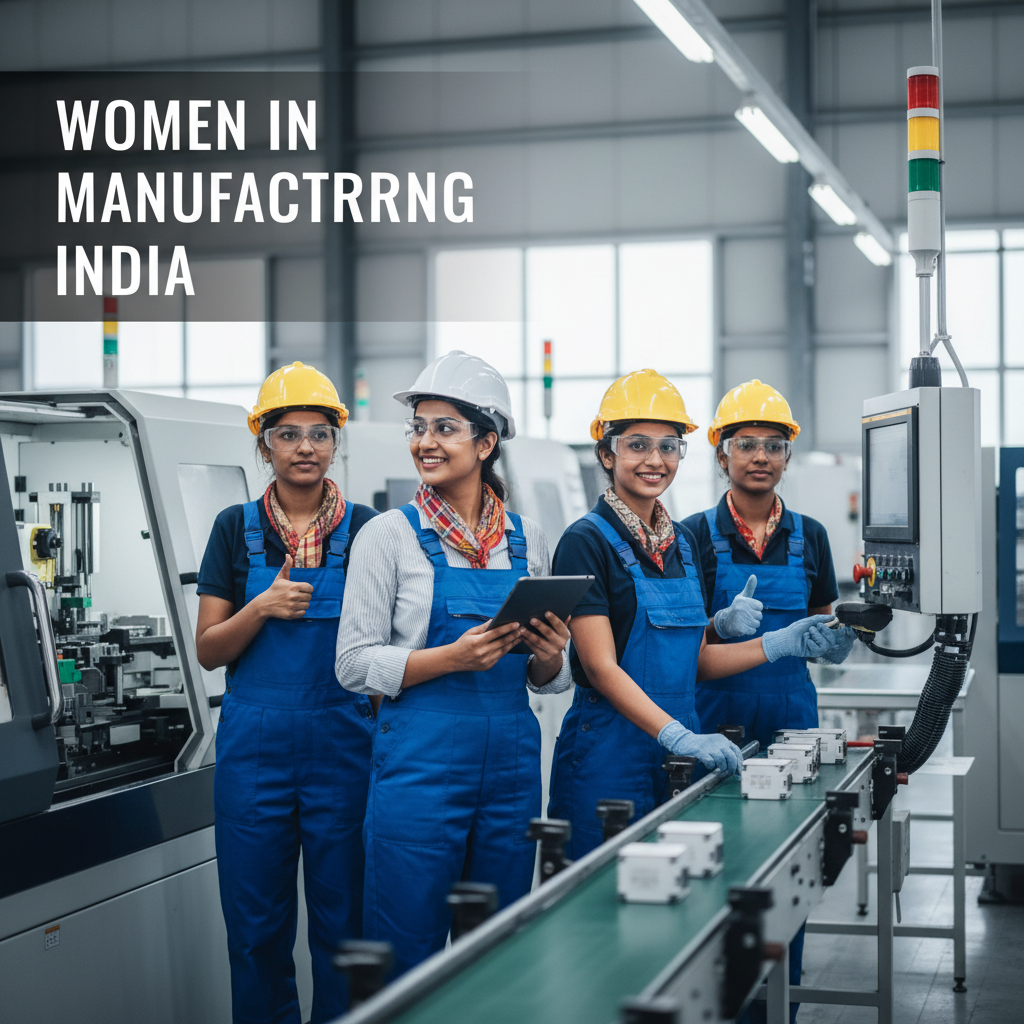
The underrepresentation of women in key sectors like manufacturing and construction in India presents both a challenge and an opportunity. While these industries historically show low female participation, the IT and services sectors are witnessing increased involvement. This shift highlights the need for a strategic approach to foster gender parity and drive national development.
The Current Landscape
In India, the manufacturing and construction sectors have traditionally faced challenges in attracting and retaining women. These industries often grapple with issues like discrimination and a lack of adequate support systems, creating barriers for women seeking to enter and advance in these fields. In contrast, the IT and services sectors are experiencing a rise in female participation. This divergence underscores the importance of understanding the specific factors that contribute to gender disparities across different industries.
A Model for Growth: The Case of Tamil Nadu
Tamil Nadu offers a compelling example of how supportive policies can drive positive change. By implementing initiatives designed to encourage and assist women in the workforce, the state is demonstrating the potential for significant progress. These policies may include providing access to training programs, creating mentorship opportunities, and ensuring a safe and inclusive work environment. Such measures not only benefit women but also contribute to the overall economic growth and development of the region.
Strategic Implications
Achieving national development requires a concerted effort to bridge leadership gaps and ensure gender parity across all sectors. This involves addressing the systemic issues that hinder women’s participation, such as discrimination, lack of access to resources, and inadequate support. By promoting inclusive policies and practices, India can unlock the full potential of its workforce and drive sustainable economic growth. The focus should be on creating an environment where women can thrive, contribute their skills and expertise, and take on leadership roles.
What Happens Next
The path forward involves a multi-pronged approach. Policymakers, industry leaders, and educational institutions must collaborate to create more inclusive workplaces. This includes implementing gender-sensitive policies, providing training and development opportunities, and fostering a culture of respect and equality. Furthermore, it is crucial to challenge and dismantle the biases that perpetuate gender inequality. By taking these steps, India can move closer to achieving its goals of national development and creating a more equitable society.
Sources
About the Author