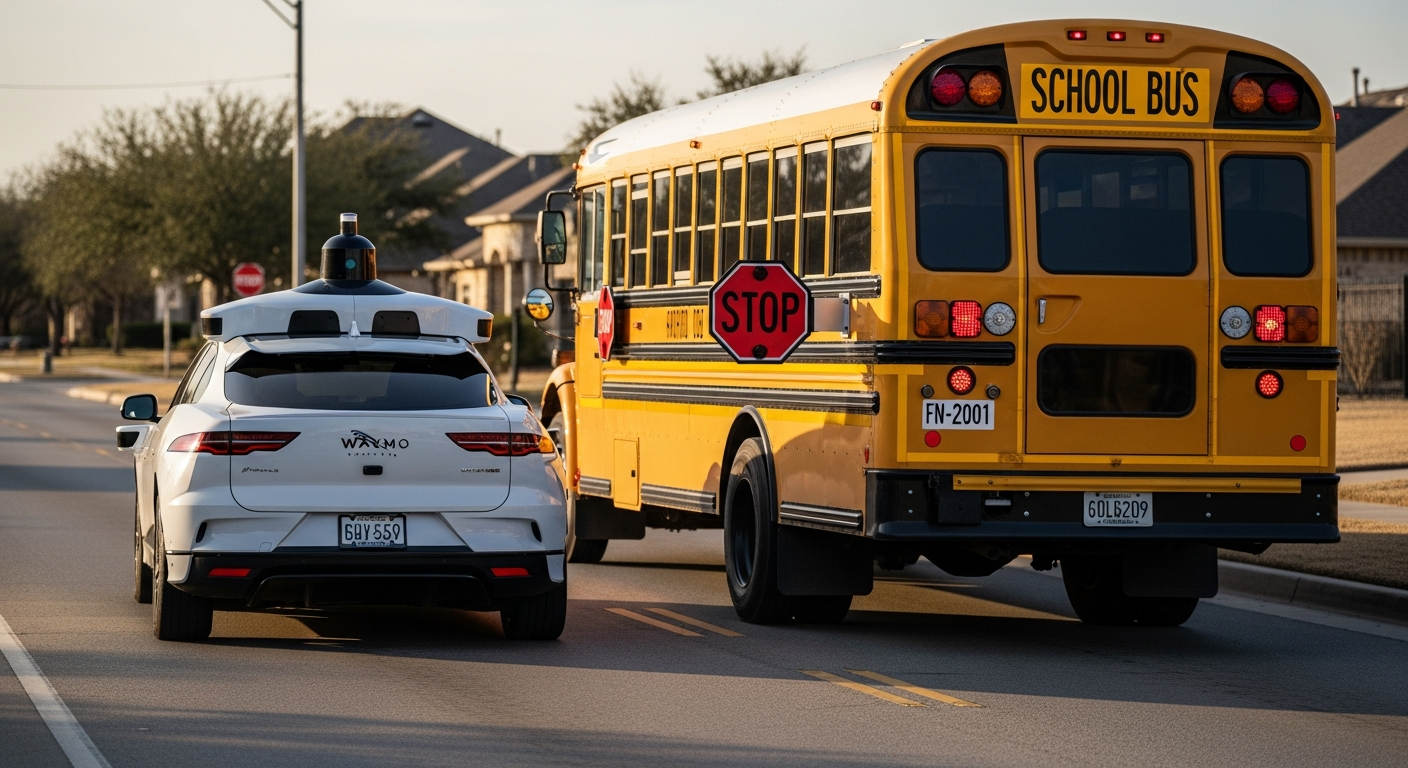
The fluorescent glow of the Austin morning cast long shadows as a Waymo vehicle, sensors whirring, rolled past a stopped school bus. The bus’s red lights flashed, a signal ignored. Inside Waymo’s Mountain View headquarters, a team of engineers likely winced. Or maybe they were already used to it.
The National Highway Traffic Safety Administration (NHTSA) is now investigating Waymo, after reports of its autonomous vehicles (AVs) illegally passing stopped school buses. The situation, detailed by a recent Fox Business report, stems from 20 citations issued in Austin, Texas. This isn’t just a technical glitch; it’s a direct challenge to the safety protocols AVs are designed to uphold and a reminder of the complex reality of deploying self-driving technology.
The core issue revolves around how Waymo’s software interprets and reacts to the standard signals of a school bus. When the bus’s stop arm extends and lights flash, the AV is legally required to halt. The citations suggest that, in these instances, Waymo’s vehicles failed to do so. These failures point to potential flaws in the algorithms that govern object recognition, decision-making, and adherence to traffic laws.
“This is a critical test for Waymo,” says transportation analyst, Dr. Emily Carter. “Their ability to navigate these specific scenarios safely is fundamental to public trust and continued regulatory approval.” Dr. Carter notes that this isn’t just a matter of software updates; it’s about validating the entire system, from sensors to processing units, under real-world conditions. The stakes are high: securing public trust and maintaining regulatory compliance are vital for AV companies.
The technical complexities are significant. Waymo’s AVs rely on a suite of sensors—cameras, lidar, and radar—to perceive their surroundings. These sensors feed data into a complex neural network, which processes the information and makes driving decisions. Any misinterpretation of data, or a failure in the decision-making process, can lead to dangerous outcomes. The weather, lighting conditions, and even the angle of the sun can affect sensor performance, adding to the challenge.
The investigation by NHTSA is crucial. The agency will likely review data logs from the vehicles, analyze the software code, and potentially conduct its own testing to determine the root causes of the incidents. The outcome of the investigation will have significant implications for Waymo. Depending on the findings, the company could face penalties, be required to implement software updates, or even have its permits to operate in certain areas suspended. Or maybe they’ll just change the parameters.
The situation in Austin is a microcosm of the broader challenges facing the AV industry. As companies like Waymo, Cruise, and others deploy their vehicles on public roads, they must grapple with the complexities of real-world driving. This includes not only the technical challenges of navigating traffic but also the legal and ethical considerations of sharing the road with human drivers.
This isn’t just about autonomous driving; it’s about the future of transportation and the regulations that will govern it. The investigation into Waymo serves as a reminder that the path to widespread adoption of AVs is not without its hurdles. It’s a road paved with code, sensors, and the constant need for improvement.
About the Author