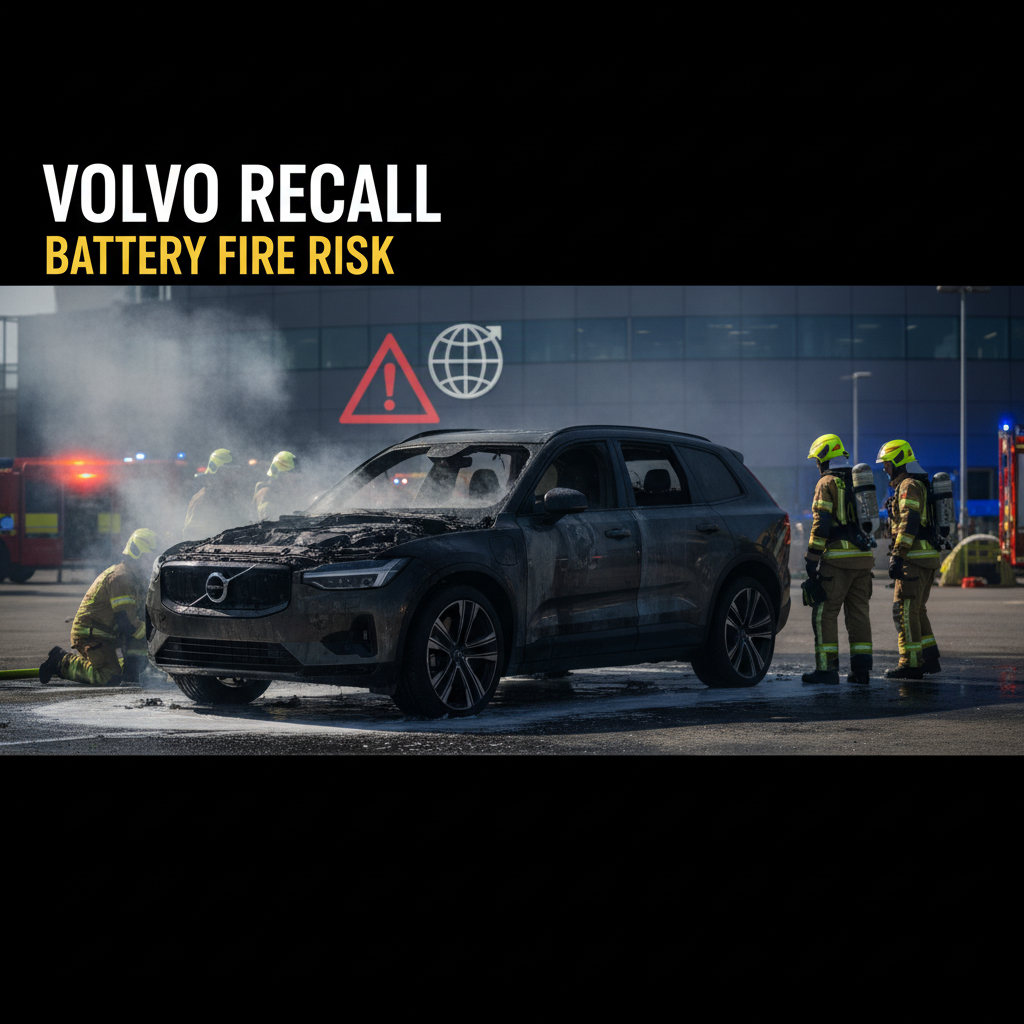
The fluorescent lights of the Volvo engineering lab hummed, casting a sterile glow on the disassembled EX30 battery packs. Engineers, faces illuminated by the harsh light, leaned over diagnostic screens, the air thick with the scent of ozone and the quiet urgency of a crisis. This wasn’t a design flaw; it was a potential inferno.
The recall, announced this week, affects over 40,000 EX30 SUVs worldwide. The issue, a risk of battery fires, has prompted Volvo to issue an immediate safety measure: owners are instructed to limit charging to 70% capacity. It’s a temporary fix, a holding action until the full repair can be implemented.
“This is a significant hit,” notes Stephanie Brinley, an automotive analyst at S&P Global Mobility. “Any recall, particularly one involving fire risk, immediately impacts consumer confidence. It’s a crisis of trust.”
The EX30, Volvo’s compact electric SUV, was intended to be a cornerstone of the company’s EV ambitions. Initial sales figures were promising, but now, the brand faces a potential PR nightmare and the logistical challenge of repairing thousands of vehicles.
The core problem, according to sources familiar with the situation, lies in a potential fault within the battery management system. This system, responsible for regulating charging and discharging, may be failing, leading to thermal runaway—a chain reaction of overheating cells that can culminate in a fire. The exact cause is still under investigation, but the implications are clear: a potentially dangerous product on the road.
The repair itself is expected to involve a software update and potentially hardware replacement, a process that could take several hours per vehicle. The logistical undertaking is immense, involving coordination with dealerships, parts suppliers, and customers across multiple continents. Or maybe this is how the supply shock reads from here.
The recall underscores the inherent challenges of the burgeoning EV market. While the technology promises a cleaner future, the complexity of battery systems and the relative infancy of the EV supply chain present ongoing risks. Volvo, like other manufacturers, is navigating a landscape where safety concerns can quickly erode consumer trust and stall momentum.
The hum in the lab intensifies, the engineers focused, but the weight of the situation is palpable. Each data point, each line of code, represents a step toward a solution, but also a reminder of the potential for things to go wrong. The clock is ticking.
About the Author