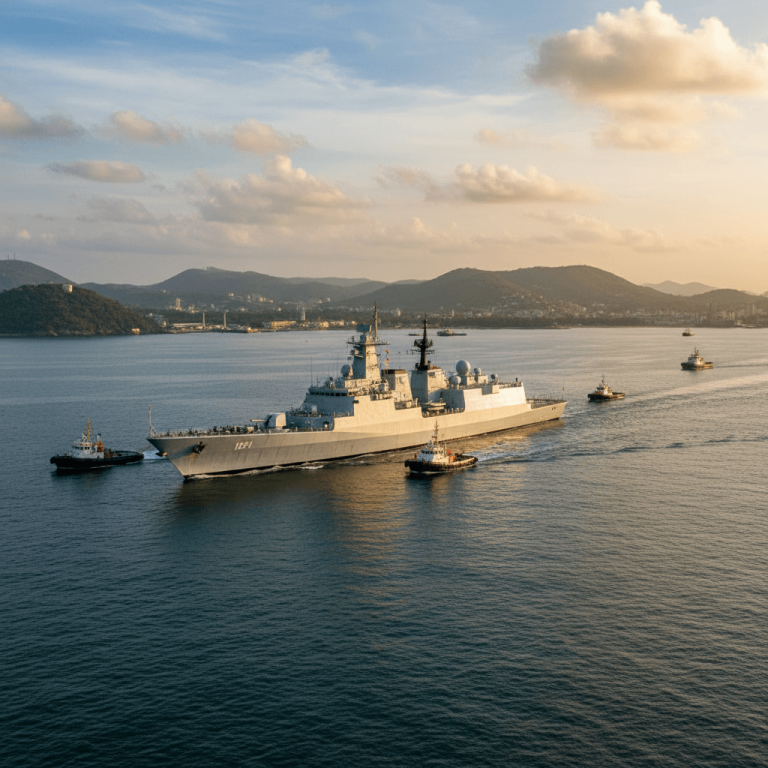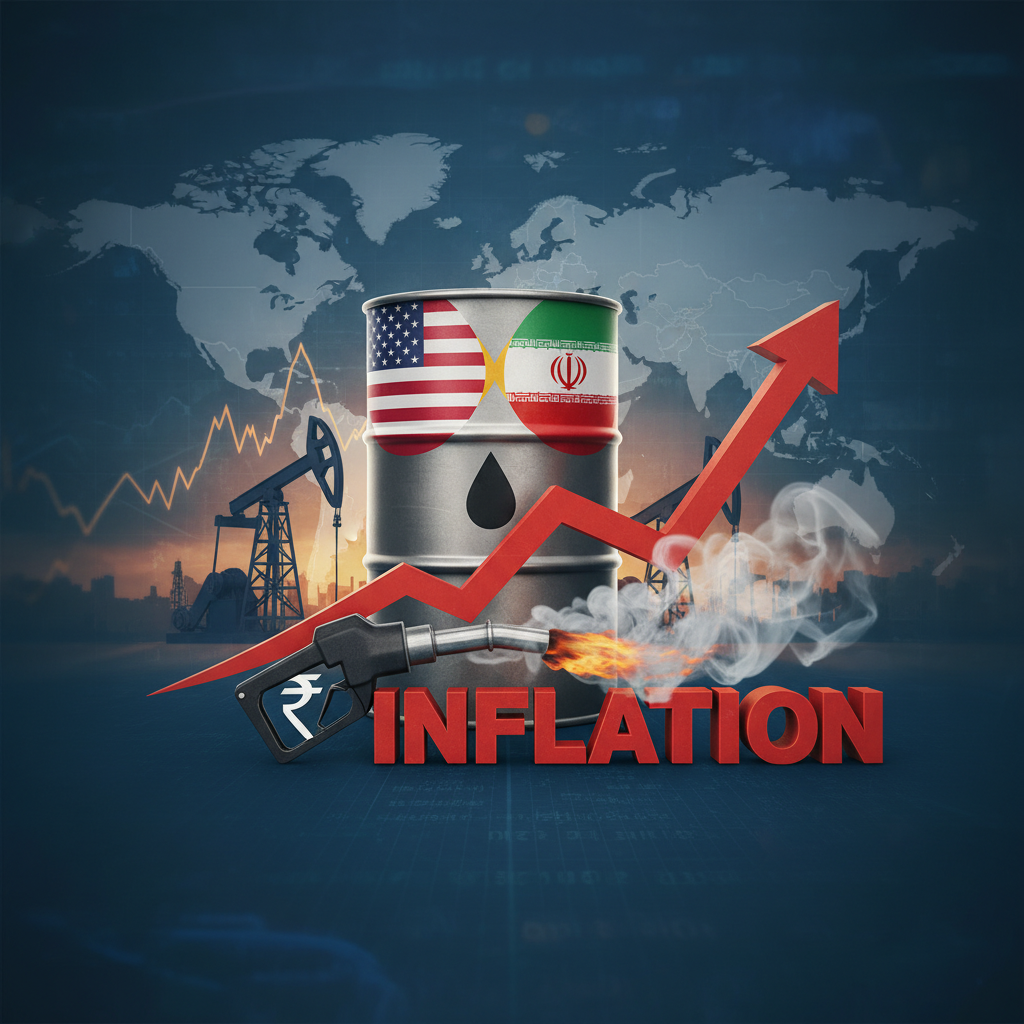
The whispers started early this morning, the kind that ripple through trading floors before the official news breaks. The Strait of Hormuz, again. That narrow waterway, a choke point for global oil supplies, is facing potential disruption, and India is bracing itself.
It’s a familiar scenario, isn’t it? Geopolitical tensions, particularly those involving the United States and Iran, sending shivers through the energy markets. The immediate concern is the flow of crude oil, with roughly one-fifth of the world’s oil transiting through the Strait of Hormuz. Any disruption there, even a limited one, could send prices soaring. And for a country like India, heavily reliant on imports, that means trouble.
Officials, speaking on condition of anonymity, have expressed concerns that even a short-term disruption could have a lasting impact. One analyst, from a Mumbai-based financial firm, mentioned that “the market is already jittery.” The market, indeed, seemed to be holding its breath. The air in the trading room felt thick with anticipation, the hum of computers the only soundtrack.
The core problem? India imports over 80% of its crude oil needs. Higher oil prices translate directly into higher fuel costs, which in turn fuels inflation. The cascading effect is well-documented: increased transportation costs, rising prices for essential goods, and a squeeze on household budgets. The Reserve Bank of India (RBI) is already grappling with inflation, and any further spike in crude prices complicates their efforts to maintain economic stability.
A recent report by the Centre for Economic and Business Research (CEBR) highlighted the vulnerability of import-dependent economies. According to the report, even a modest increase in oil prices could shave off a percentage point from India’s GDP growth. The ripple effects, they say, could be considerable.
The potential for volatility is significant, especially given the current geopolitical climate. The US-Iran conflict has been simmering for months, and any escalation could quickly turn into a full-blown crisis. The Strait of Hormuz is the obvious flashpoint. Still, the precise timing and scope of any disruption remain uncertain. Or maybe I’m misreading it.
For India, the situation demands careful navigation. Diversifying its sources of crude oil, building up strategic reserves, and exploring alternative energy options are all part of the long-term strategy. But in the short term, the country is exposed. The next few weeks will be crucial, with traders, policymakers, and ordinary citizens watching the price of oil, and the world, very closely.
About the Author