United Airlines faces rising fuel costs amidst global tensions.
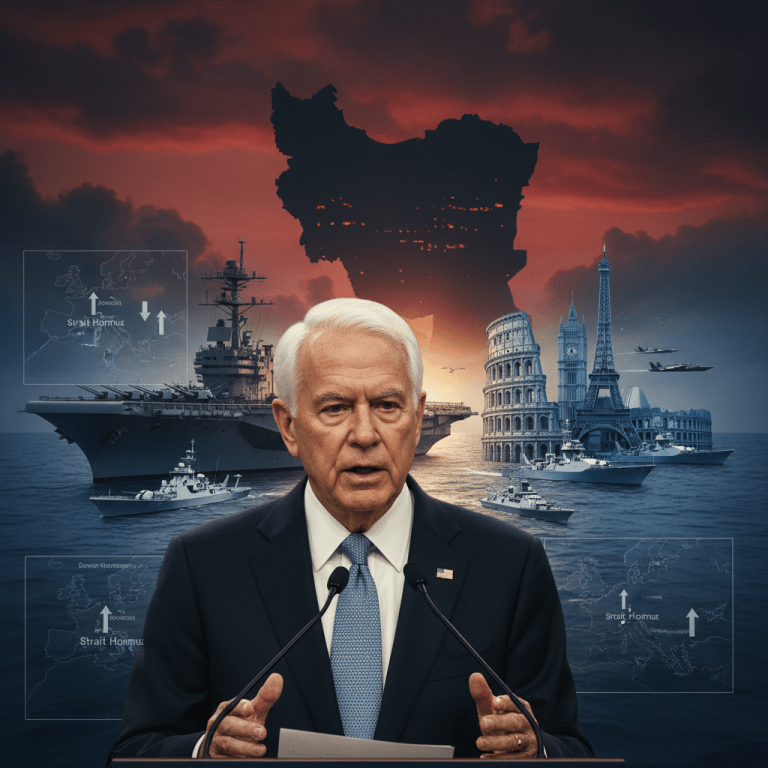
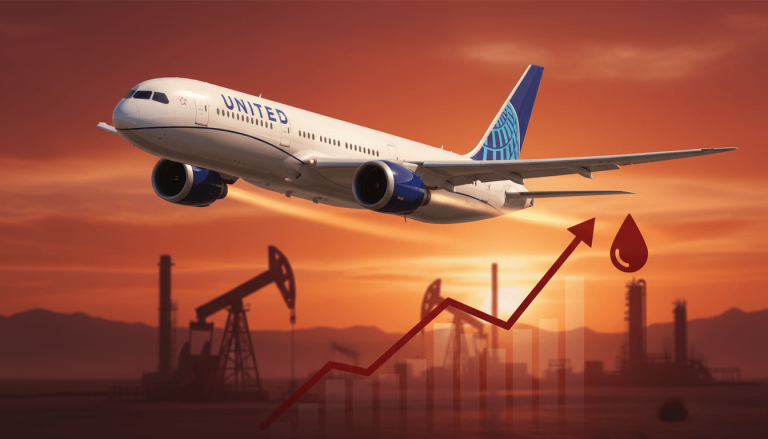
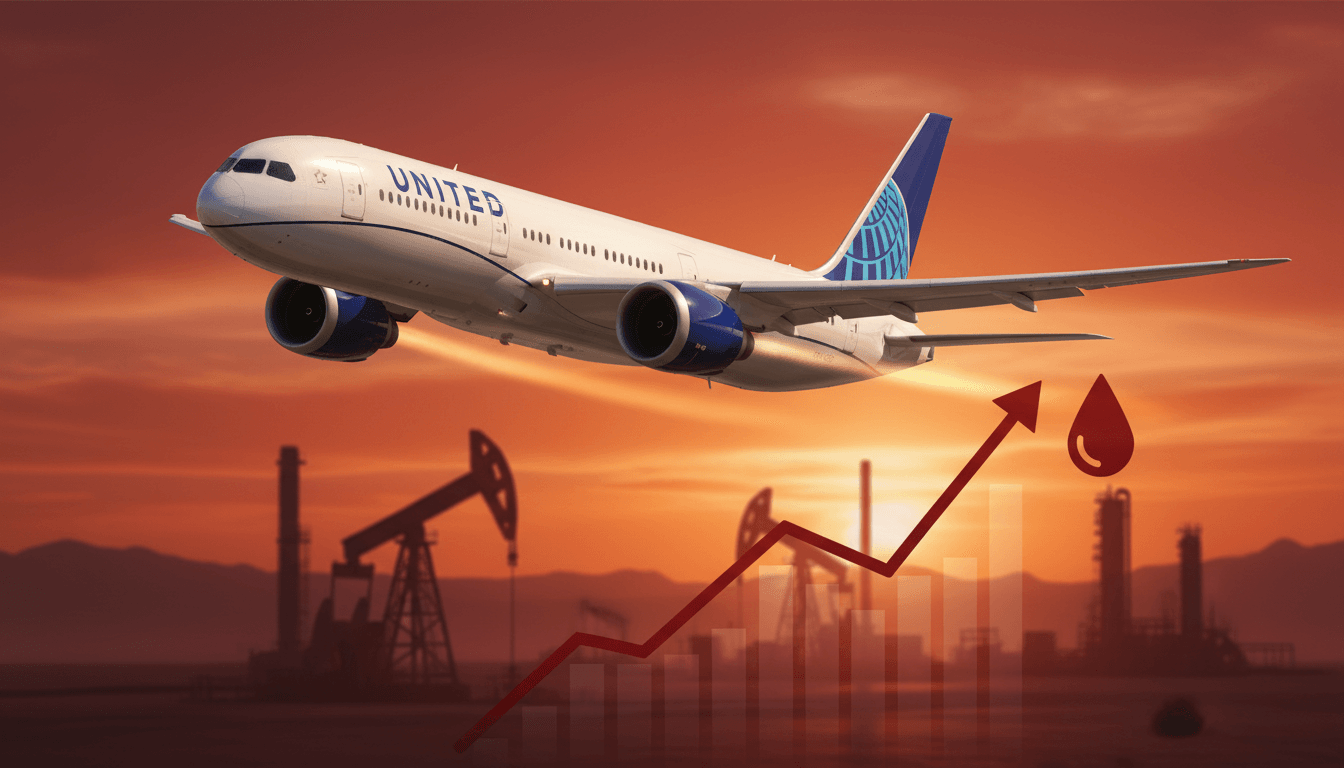
United Airlines is taking preemptive action by cutting flights as fuel prices surge due to the ongoing Iran war. CEO Scott Kirby announced a 5% reduction in capacity, making United the first major U.S. carrier to respond to rising fuel costs with concrete measures.
In a staff memo released Friday, Kirby outlined the airline’s strategy to trim less profitable routes in anticipation of sustained high fuel prices. The company is bracing for oil prices potentially remaining above $100 per barrel through 2027, with models projecting $175 per barrel.
“Jet fuel prices have more than doubled in the last three weeks,” Kirby stated, highlighting the potential impact of an additional $11 billion in annual expenses. He emphasized that United isn’t panicking but managing the situation by cutting unprofitable routes while maintaining its long-term growth strategy.
The cuts will include reductions in off-peak flying, such as midweek and overnight routes, as well as adjustments at Chicago O’Hare and suspended service to Tel Aviv and Dubai. United expects to restore its full schedule in the fall.
Despite the cuts, Kirby noted strong demand, with the airline recording its “10 biggest booked revenue weeks” in its history over the past 10 weeks. United plans to continue taking delivery of approximately 120 new planes this year, including 20 Boeing 787s, with another 130 aircraft due by April 2028.
Other airlines have so far relied on fare hikes to offset rising costs. Delta Air Lines indicated it might trim capacity if fuel prices remain high, according to Reuters. International carriers, including Qantas, Scandinavian Airlines, and Thai Airways, have already raised prices, while Air New Zealand has canceled over 1,000 flights.
About the Author