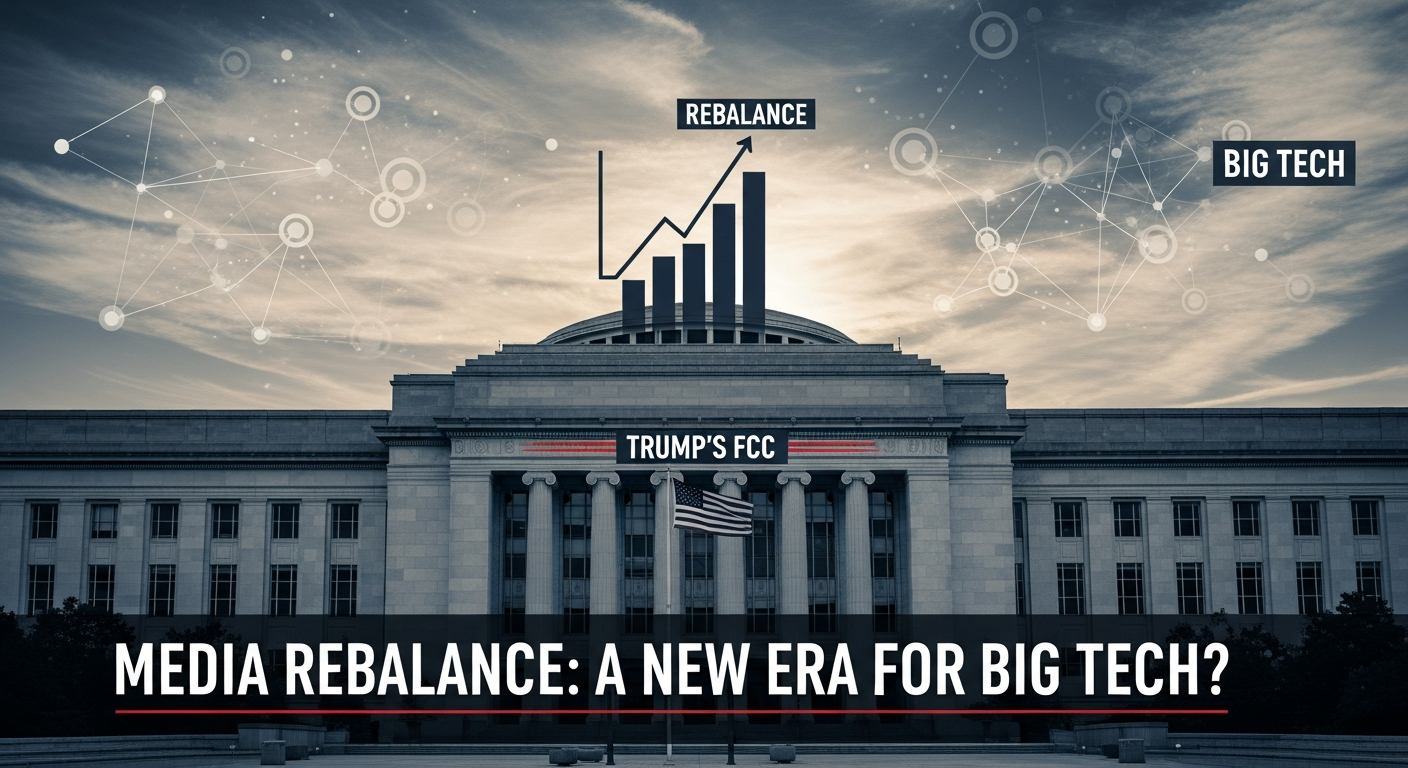
The air in Washington, D.C., feels thick with the usual political maneuvering. But beneath the surface, something else is stirring. The Federal Communications Commission, or FCC, is once again in the spotlight. This time, it’s about media ownership and how the current rules favor some players over others.
Mike Davis, writing for Fox Business, laid out the stakes pretty clearly. The Trump administration, he argues, sees an opportunity to rebalance the media ecosystem. The goal? To chip away at the dominance of Big Tech. It’s an ambitious undertaking, no doubt.
At the heart of this push are the broadcast ownership caps. These regulations, some of which date back decades, limit how much of the media landscape any one entity can control. According to reports, Chairman Carr and others at the FCC are looking at these rules with a critical eye. They seem to believe the current regulations may inadvertently favor online platforms like YouTube over local news outlets. It’s a complex issue, filled with legal jargon and lobbying battles.
One can’t help but wonder, though: what will it all look like? Will it level the playing field, or just shuffle the deck? It’s hard to say, really.
Meanwhile, the FCC’s moves come at a time when debates about media bias and the influence of tech giants are already raging. There’s a lot of pressure on these agencies to get it right. Any shift in the regulations could have far-reaching consequences, affecting everything from the types of news we consume to the financial health of local journalism.
“We are committed to ensuring a level playing field,” a spokesperson for the FCC said earlier today, though they didn’t specify which direction that level field should tilt.
The details are still emerging, but one thing is clear: the FCC’s decisions will shape the media landscape for years to come. It’s not just about rules and regulations; it’s about who gets to tell the story.
About the Author