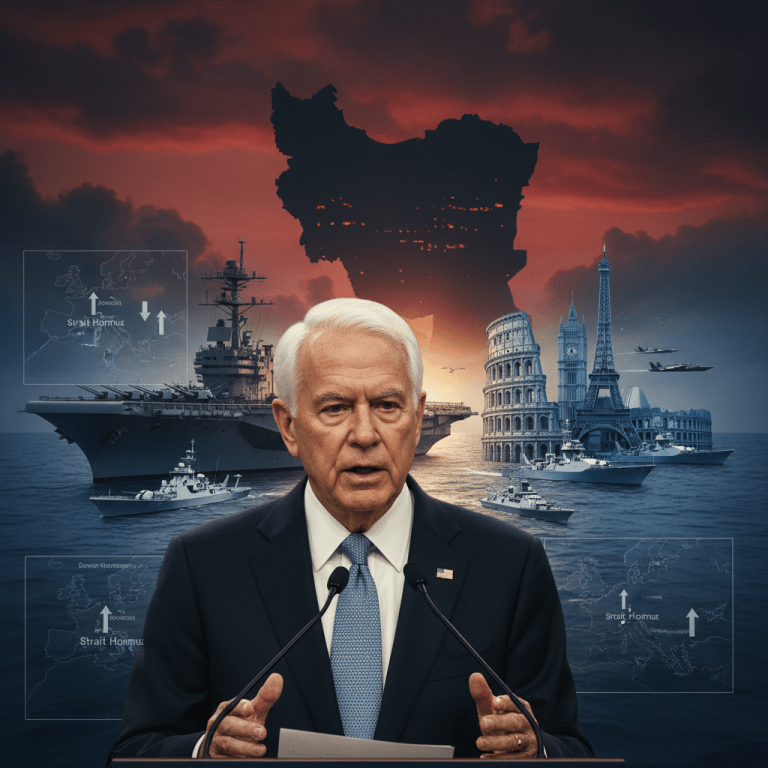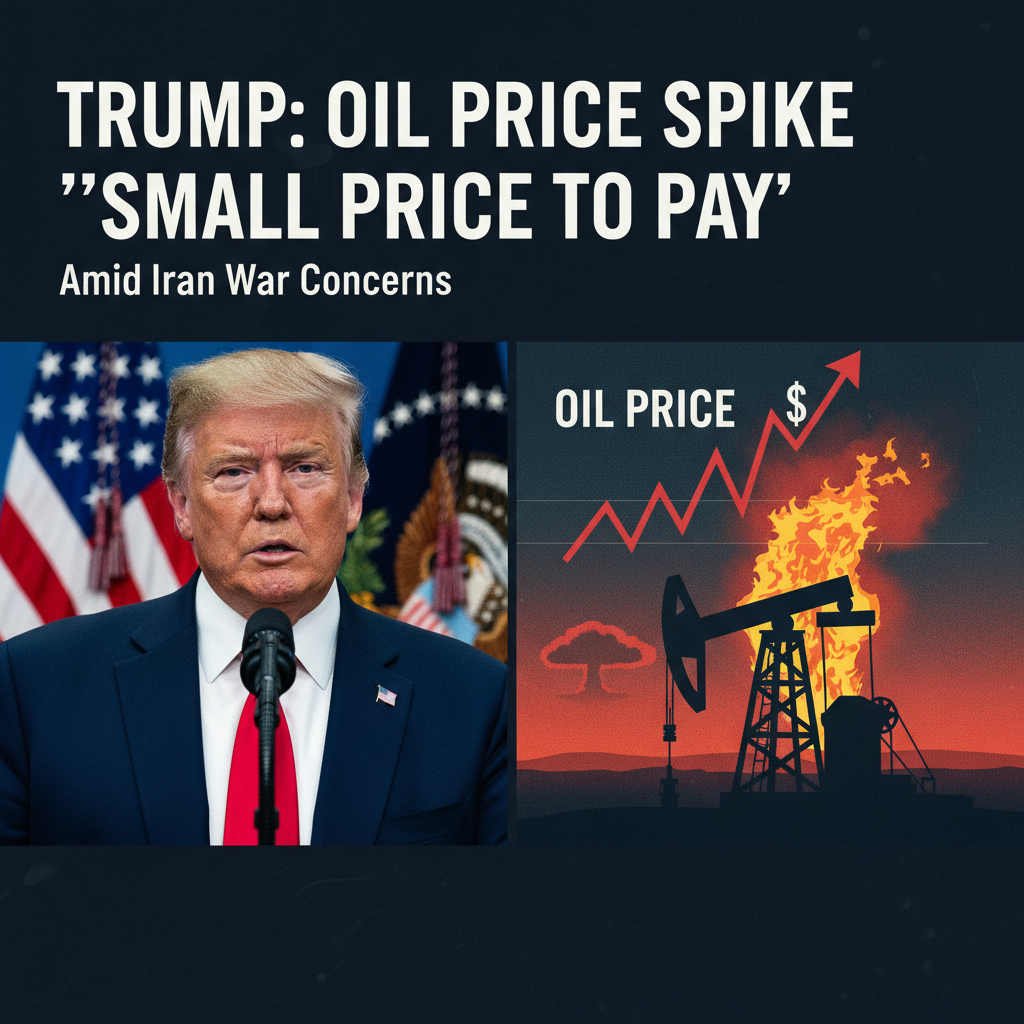
In a recent statement, President Donald Trump addressed the concerns surrounding the rising oil prices, asserting that the short-term spike is a “small price to pay” in the pursuit of peace. This statement comes amidst the ongoing tensions related to the Iran war, which have significantly influenced the global energy market.
The situation has led to increased anxiety among American drivers, who are now facing higher prices at the pump. The markets & economy, energy category is under pressure due to the geopolitical instability, with many analysts predicting further fluctuations.
What: The primary issue is the oil price spike, a direct result of the Iran war and related geopolitical uncertainties. This has a ripple effect, impacting the broader economy and increasing the cost of living for many.
Why: According to President Trump, the oil price spike is a necessary sacrifice to achieve peace. The administration’s stance suggests a prioritization of long-term strategic goals over immediate economic concerns.
When: The short-term impact of the oil price increase is already being felt, with immediate effects visible at gas stations across the United States. Energy markets are closely watching developments, with forecasts varying depending on the duration and intensity of the conflict.
Implications: The situation underscores the interconnectedness of global politics and economics. The Iran war and associated policy decisions are directly influencing the price of oil, which in turn affects consumers and businesses worldwide. This situation highlights the complex interplay between politics, economics, and energy markets.
In conclusion, the current rise in oil prices, triggered by the Iran war and the related geopolitical climate, presents both challenges and strategic considerations. While American drivers and the broader economy feel the immediate effects, the long-term implications depend on the evolving dynamics of the conflict and the related policy responses.
About the Author