Trump addresses tariffs as Supreme Court looms.
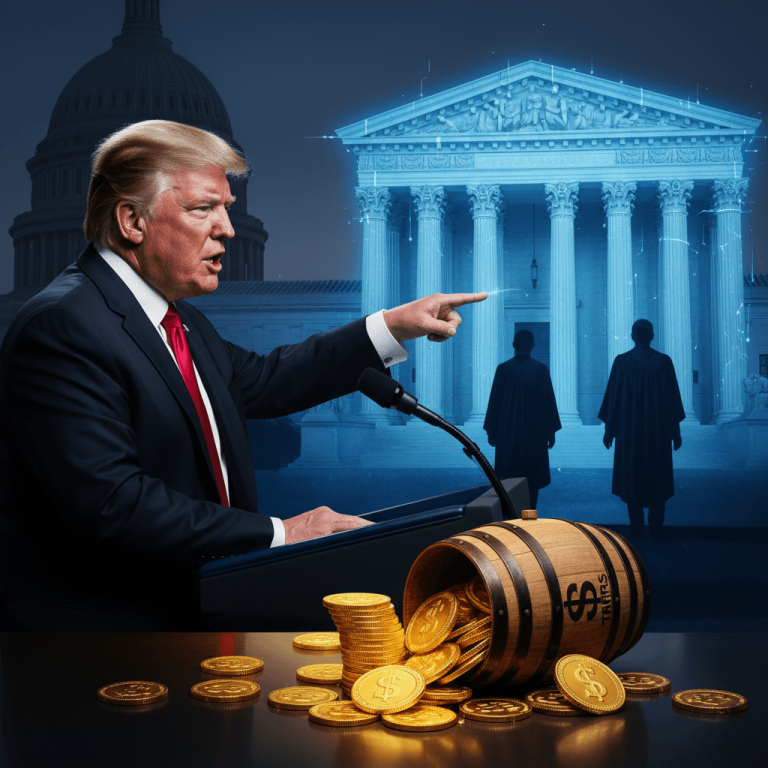
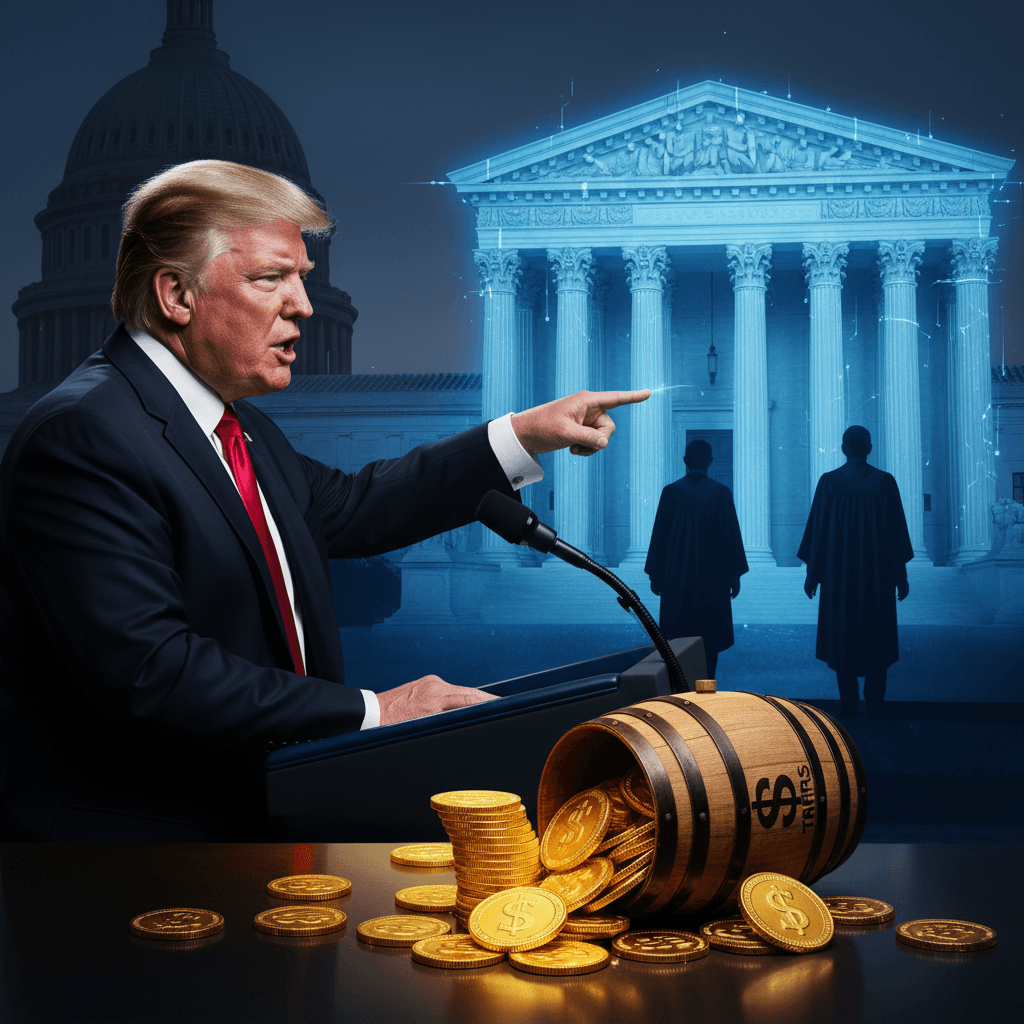
Former President Donald Trump has publicly criticized two Supreme Court justices he appointed, expressing his frustration after they sided with the majority in a ruling that curtailed his ability to impose sweeping tariffs. This outburst underscores ongoing tensions between the executive and judicial branches regarding economic policy.
The Supreme Court’s decision last month, by a 6-3 vote, effectively blocked Trump’s use of the International Emergency Economic Powers Act (IEEPA) to enact broad tariffs. The court found that the law did not authorize the President to impose such tariffs, challenging the administration’s approach to trade.
Speaking at a National Republican Congressional Committee dinner in Washington, D.C., Trump voiced his displeasure without naming Justices Neil Gorsuch and Amy Coney Barrett directly. He stated, “Bad courts in this country are costing us a tremendous amount of money,” and lamented the Supreme Court’s decision, claiming it cost the country hundreds of billions of dollars.
Trump went on to single out the justices he appointed, saying they “sicken” him because they are “bad for our country.” This is not the first time Trump has targeted the court, particularly the justices who have ruled against his policies.
Chief Justice John Roberts previously cautioned against personal attacks on federal judges, emphasizing the importance of scrutinizing legal analysis rather than attacking the individuals behind the decisions. Roberts noted the increasing trend of “dangerous” and hostile rhetoric directed at judges.
The case in question revolves around whether the IEEPA grants the president the authority to impose tariffs or if such actions exceed constitutional limits. The dispute arose from Trump’s “Liberation Day” tariffs, a comprehensive package designed to address trade imbalances and reduce reliance on foreign goods.
Following the ruling, Trump announced a 10% global tariff under Section 122, which he described as “above our normal tariffs already being charged.” This move indicates his continued pursuit of tariff-based economic strategies despite judicial pushback.
About the Author