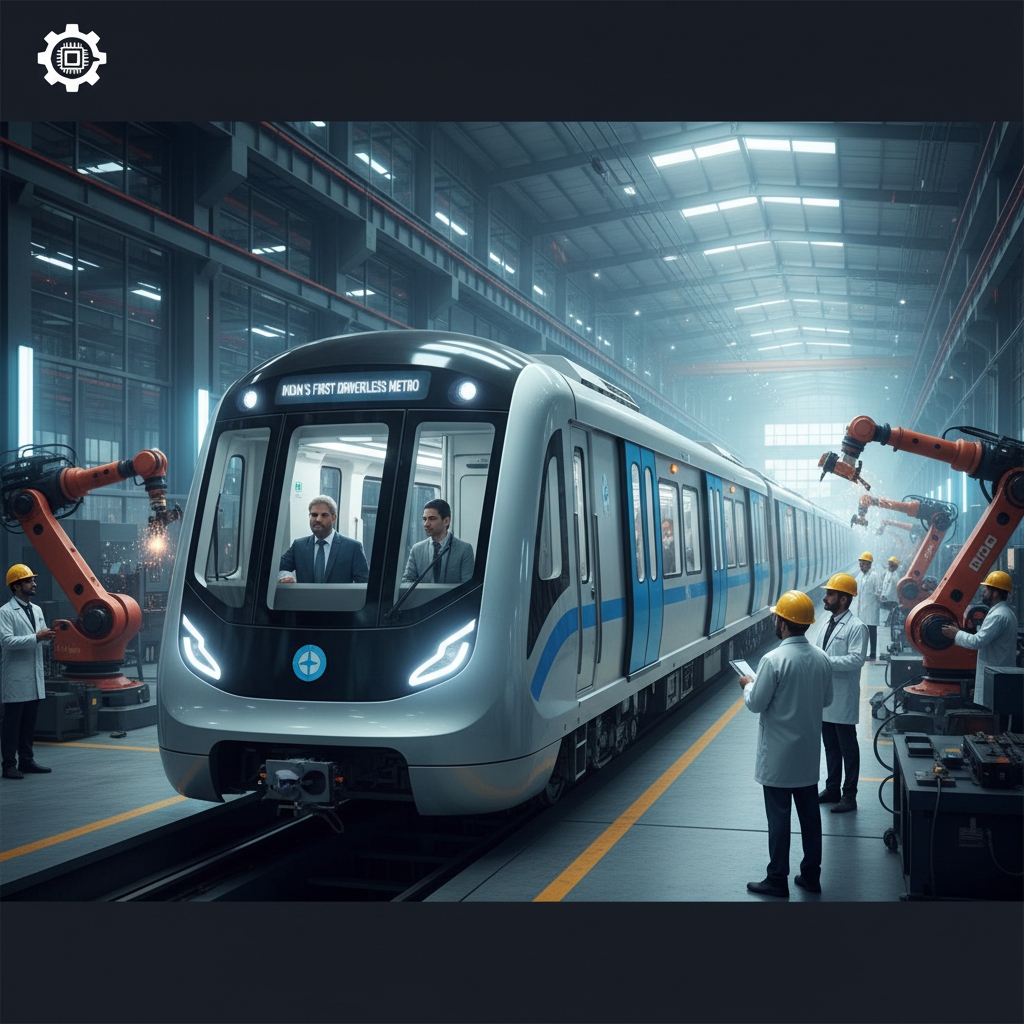
The hum of the testing chamber filled the air, a low thrum punctuated by the staccato clicks of engineers reviewing thermal imaging. It was late October, and the team at Titagarh Rail Systems was putting the final touches on the first driverless trainset for Ahmedabad Metro Phase 2. This wasn’t just another train; it was a statement. A statement about India’s growing manufacturing prowess and its ambition to be a global player in advanced rail technology.
The train, designed and built entirely in India, will soon be operating on the Ahmedabad–Gandhinagar corridors. According to a company spokesperson, the project reflects a significant rise in local content, aligning with the government’s ‘Make in India’ initiative. This particular trainset is a showcase, designed to demonstrate the capabilities of Indian engineers and manufacturers. It also highlights the growing sophistication of the Indian rail industry, which has been steadily increasing its investments in automation and advanced technologies.
“This is a watershed moment,” commented Priya Sharma, a senior analyst at a Mumbai-based consulting firm, during a recent industry briefing. “The rollout of this driverless train is a clear signal that India is moving towards greater self-reliance in critical infrastructure projects.” She added that the project’s success could potentially unlock further opportunities, with other cities looking to modernize their public transportation systems. The implications are significant, potentially opening doors to lucrative contracts and further investments in local manufacturing.
The technical specifications are impressive. The trainset boasts advanced signaling systems, automated platform screen doors, and real-time monitoring capabilities. These features are essential for ensuring smooth and safe operations in a driverless environment. The control systems are complex, integrating multiple sensors and algorithms to navigate the city’s rail network. The engineering team, a mix of seasoned veterans and fresh graduates, had spent months refining the software and hardware components. It was a race against the clock, with deadlines looming and the pressure to deliver a flawless product.
The manufacturing process itself is a testament to the capabilities of Indian industry. Titagarh has invested heavily in its production facilities, incorporating cutting-edge technologies and adhering to stringent quality control standards. The company has also partnered with various local suppliers, creating a robust ecosystem of support and expertise. The emphasis on local content is not just a policy requirement; it’s a strategic imperative. It reduces dependence on foreign suppliers and strengthens the domestic supply chain.
The Ahmedabad Metro Phase 2 project has a total estimated cost of over ₹7,500 crore, according to official sources. The driverless trainsets represent a significant portion of this investment, underscoring the importance of advanced technology in modernizing urban infrastructure. The successful deployment of this trainset could encourage other cities to adopt similar solutions, creating a ripple effect across the country.
The rollout of the driverless trainset is more than just a technological achievement; it’s a symbol of India’s ambition to become a global leader in rail manufacturing. It represents a significant step towards self-reliance, technological advancement, and a brighter future for the country’s urban transportation systems. The future is automated, or maybe that’s how the supply shock reads from here.
About the Author