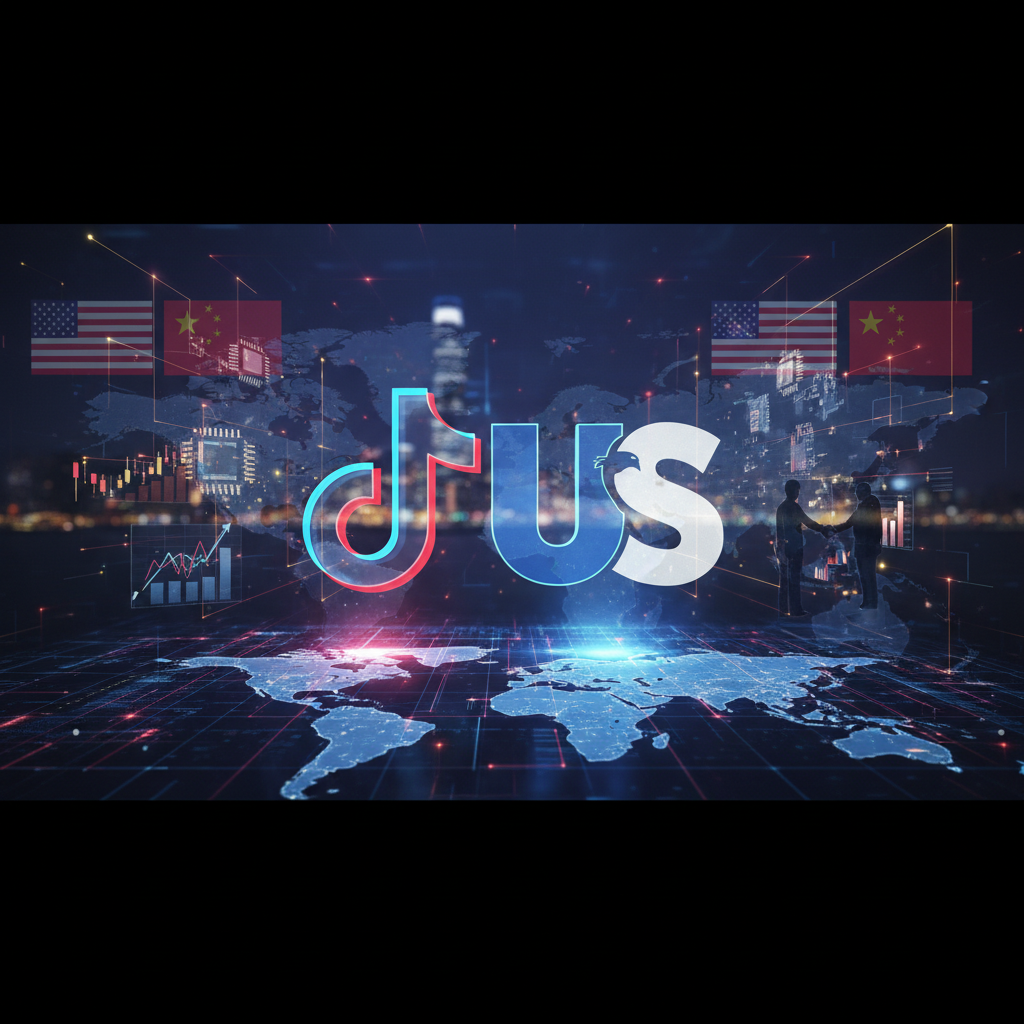
The hum of servers filled the air as engineers at TikTok’s US headquarters, in the fall of 2020, reviewed the final code. The pressure was immense. A U.S. ban loomed, and the company’s future hinged on a deal that would spin off its American operations. This wasn’t just a technical challenge; it was a high-stakes geopolitical chess match.
The core issue: data security. The Trump administration, citing national security concerns, had threatened to ban TikTok unless its U.S. operations were divested. The solution: a complex agreement to spin off TikTok’s U.S. operations. The deal, which involved Oracle and Walmart, aimed to address the U.S. government’s concerns while allowing TikTok to continue operating in the lucrative American market.
“It was a scramble,” recalls a former TikTok engineer, speaking on condition of anonymity. “We had to isolate the U.S. data, create a separate entity, and ensure compliance with U.S. regulations. Or, you know, try to.” The technical challenges were immense. This included migrating user data, establishing secure data storage, and creating independent operational systems. All this, while keeping the app running smoothly for millions of users.
The deal’s structure was intricate. Oracle would become the technology provider, handling TikTok’s U.S. user data. Walmart was slated to take a stake in the new entity. The goal? To offer some assurances to the U.S. government that the data of American users would be protected from the Chinese government. The Chinese government, in turn, had to sign off on the deal, as any transfer of technology or assets needed to comply with their own regulations.
The implications were vast. For TikTok, it was about survival. For the U.S., it was about asserting control over technology and data. For China, it was a test of its ability to navigate the increasingly complex global tech landscape. The deal, finally agreed upon, wasn’t just a business transaction; it was a symbol of the broader tensions between the two superpowers.
As the dust settles, the long-term impact remains unclear. The deal’s success hinges on whether the new entity can truly operate independently while meeting the demands of both governments. What happens next? That’s still in the cards.
About the Author