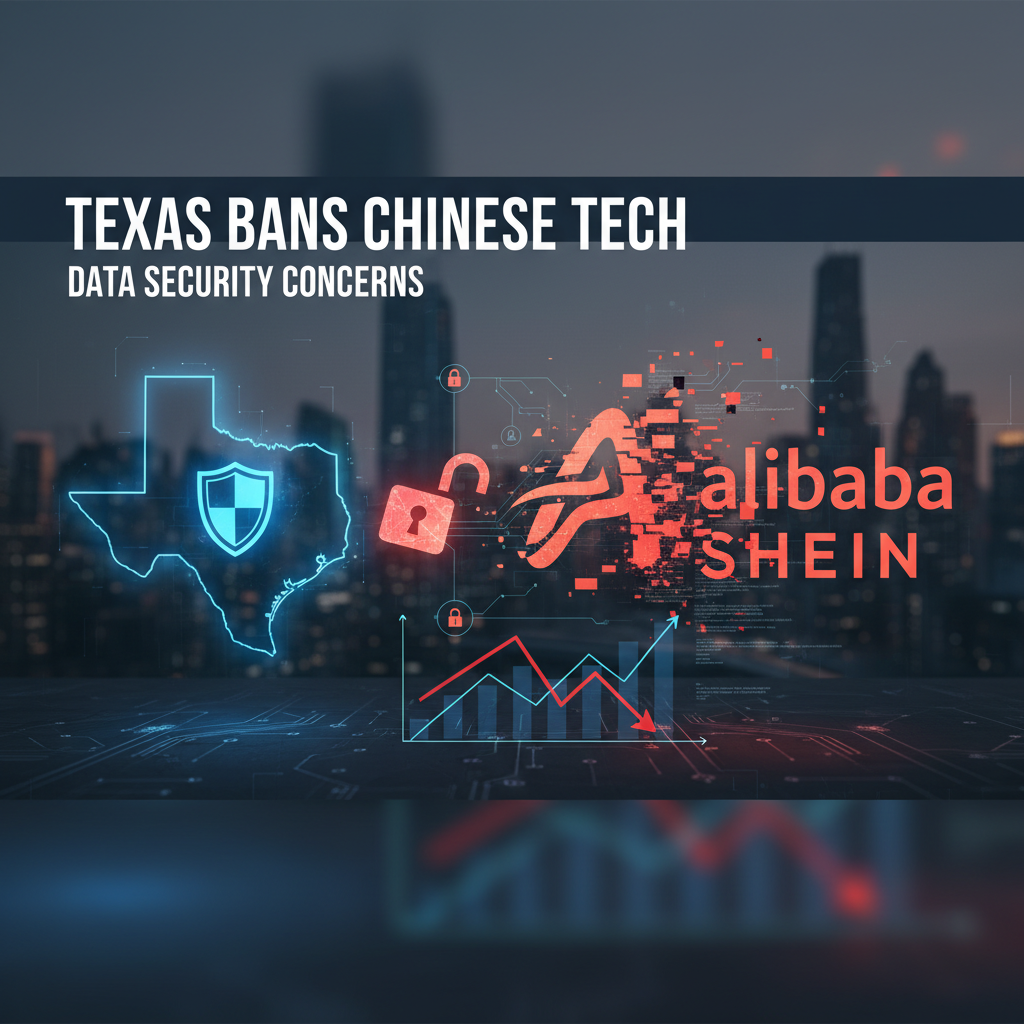
The hum of servers filled the air, a low thrum that was almost a physical presence. It was late, and the engineering team at a Texas state agency was reviewing the latest security audit. A ping from Slack. Then another. The news was out: Governor Abbott had expanded the state’s prohibited tech list, adding 26 companies, including e-commerce giants Alibaba and Shein.
The immediate reaction was a mix of frustration and resignation. This wasn’t the first time the state had taken a hard line on technology, but the inclusion of such popular platforms sent ripples through the ranks. Suddenly, employees’ access to these services for both work and personal use was in question. The move, according to the Governor’s office, was rooted in data security concerns, specifically the potential for sensitive information to be accessed by entities deemed a threat.
“It’s a blunt instrument, but it sends a clear message,” said Sarah Jones, a cybersecurity analyst at a research firm. “Texas is drawing a line in the sand, and it’s a line that many other states, and possibly the federal government, will be watching closely.”
The implications are broad. For state employees, it means a potential disruption to daily routines. For Alibaba and Shein, it’s a blow to their operations within the state. For the tech industry, it’s another data point in the ongoing debate about the security of Chinese technology. The timing of the announcement, mid-October, didn’t seem coincidental. It came as geopolitical tensions continue to simmer, and domestic procurement policies are under intense scrutiny.
The technical details are complex, but the core issue is straightforward. The state is concerned about potential backdoors or vulnerabilities in the software and hardware used by these companies. These could be exploited to steal data or conduct surveillance. The concern isn’t new, but the response is escalating, reflecting a growing sense of urgency among policymakers.
The move echoes similar actions taken by other states and the federal government, which have been grappling with the same questions. The challenge is balancing security with the economic benefits of global trade and the convenience of popular consumer platforms. The details matter, of course. The specific vulnerabilities, the types of data at risk, and the methods of mitigation. But the big picture is clear: the relationship between technology and national security is being redefined.
The next steps are uncertain. Will other states follow suit? Will the federal government intervene? And how will the affected companies respond? One thing is certain: the conversation about data security and Chinese technology is far from over. Or, perhaps, it’s just getting started.
About the Author