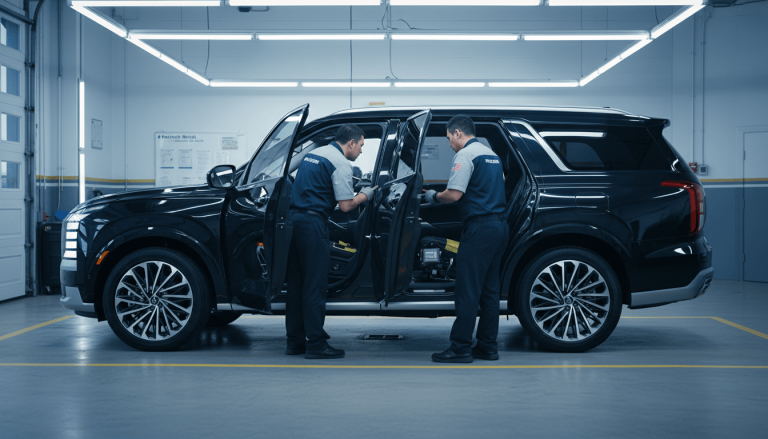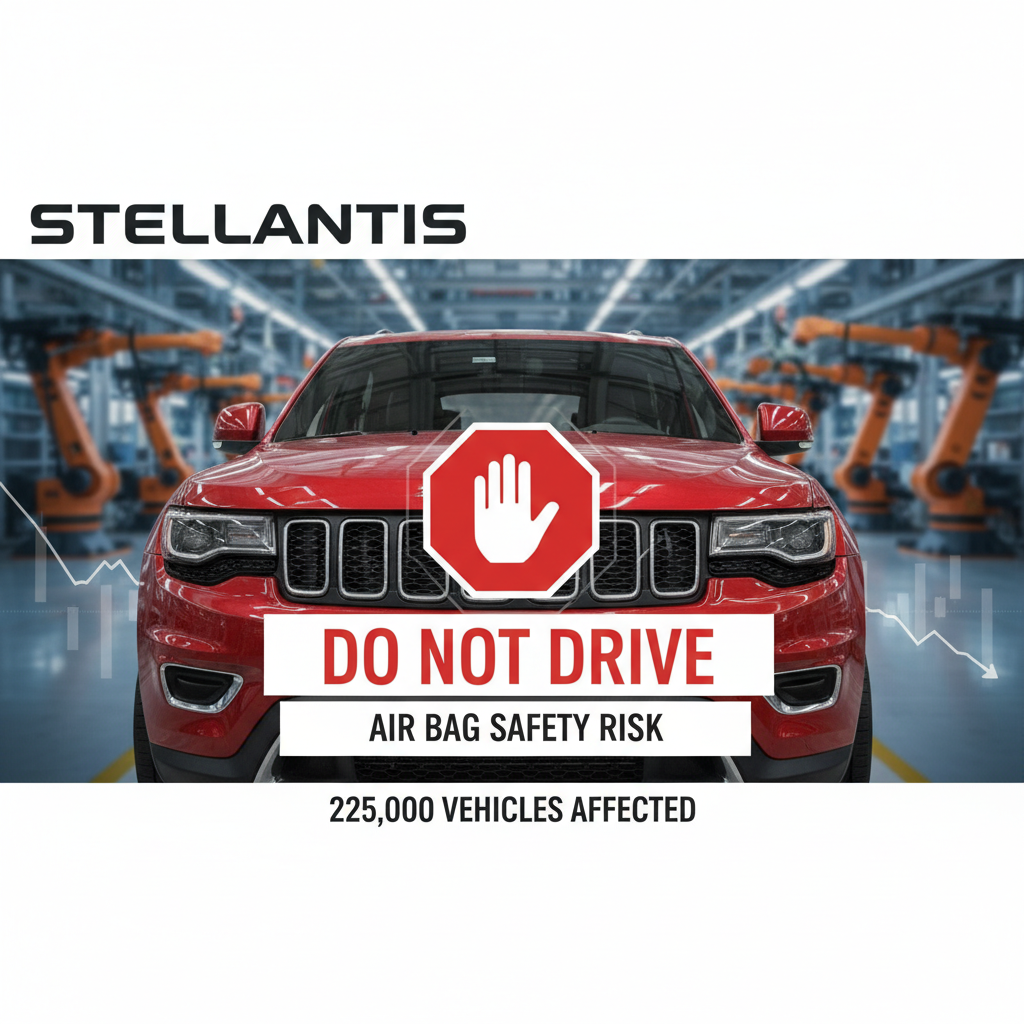
Stellantis is urging owners of approximately 225,000 vehicles to immediately stop driving them due to a critical safety issue involving potentially defective Takata air bags. This urgent warning highlights significant concerns within the automotive manufacturing sector and raises questions about market impacts.
The core problem revolves around the Takata air bags, which have been found to potentially explode upon deployment, sending dangerous metal fragments into the vehicle’s cabin. This defect has prompted Stellantis to issue a ‘do not drive’ order, emphasizing the severity of the risk to drivers and passengers.
What Happened: Stellantis, a major player in the automotive industry, identified a potential defect in the Takata air bags installed in a significant number of its vehicles. This defect could cause the air bags to explode, posing a severe risk of injury or death. The company’s immediate response was to issue a stop-drive order, a move that underscores the gravity of the situation and the company’s commitment to safety.
Why It Matters: This recall has broad implications for the automotive industry and the markets. The recall impacts a large number of vehicles, raising concerns about supply chain vulnerabilities and the overall safety of vehicles on the road. The ‘do not drive’ warning also affects consumer confidence and could lead to increased scrutiny of automotive safety standards and manufacturing processes.
Who’s Involved: Stellantis, the manufacturer, is at the center of this issue, responsible for managing the recall and addressing the safety concerns. The owners of the affected vehicles are directly impacted, facing the inconvenience and potential risks associated with the defective air bags. Takata, the original manufacturer of the air bags, is also a key entity, as their products are at the heart of the problem.
This situation underscores the importance of stringent safety measures in the automotive industry and the need for manufacturers to respond swiftly to potential defects. The recall will likely have repercussions for Stellantis, affecting its reputation and potentially leading to financial impacts. Furthermore, it highlights the ongoing challenges of ensuring the safety of automotive components and the critical role of recalls in protecting consumers.
About the Author