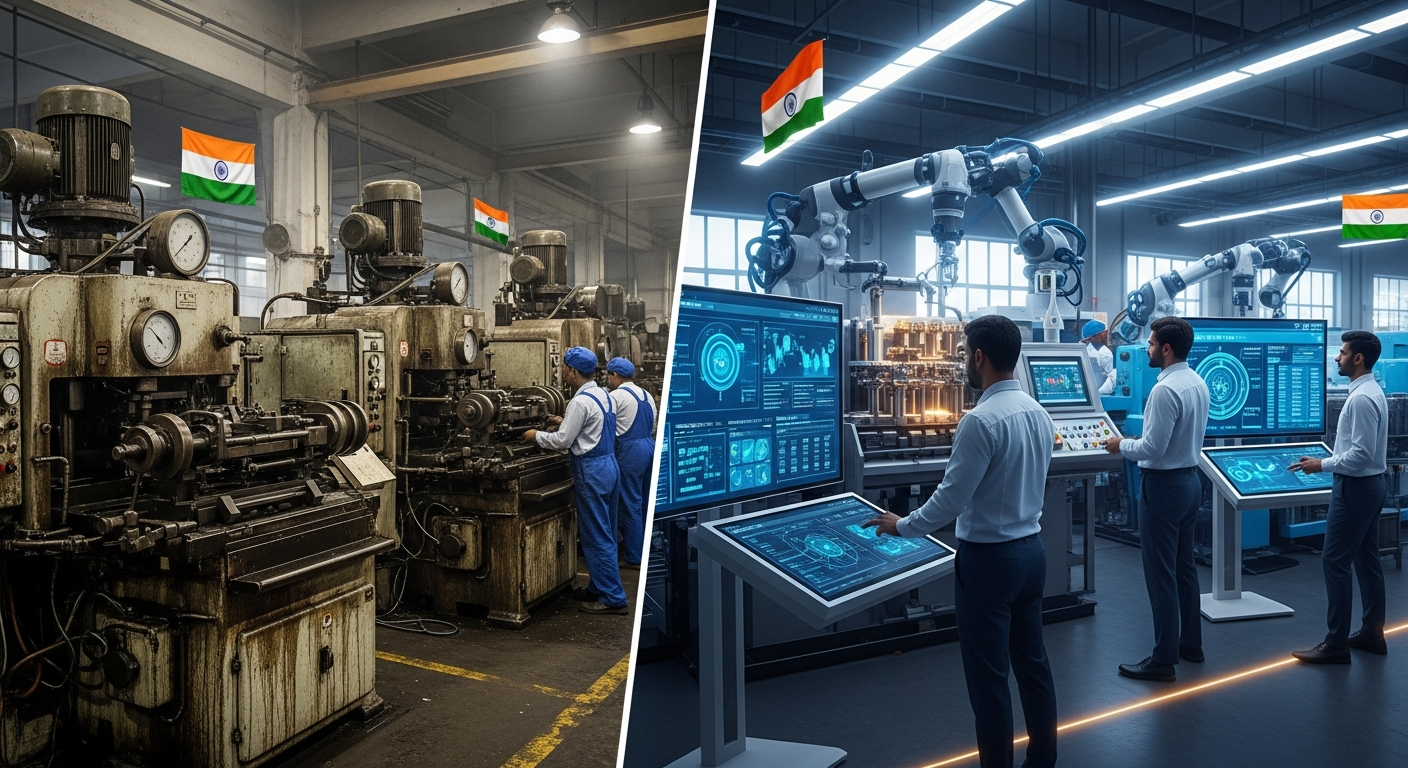
The clatter of machinery. The scent of oil and metal. For decades, this was the soundtrack of Indian manufacturing. Now, a different kind of buzz is in the air – the hum of digital transformation.
It’s not about gleaming new factories, but about breathing new life into the old ones. The real strategic advantage for India isn’t in starting from scratch; it’s in the smart upgrade of what already exists. This is the core of the shift currently underway, and it’s picking up speed.
Consider the landscape: thousands of factories, each a repository of history and, crucially, existing infrastructure. To replace these would be a gargantuan task. Retrofitting, on the other hand, is a more practical, cost-effective, and, frankly, more intelligent approach. It’s about adding layers of intelligence to what’s already there.
The Economic Times reported on this trend, highlighting how Indian manufacturers are increasingly focused on integrating smart technologies into their existing setups. This is happening across sectors, from automotive to textiles, with the goal of boosting efficiency, reducing waste, and improving overall productivity.
The benefits are clear. Imagine a factory floor, where sensors feed real-time data to a central system. This data then allows for predictive maintenance, optimized production schedules, and a far more responsive manufacturing process. It’s a move away from reactive fixes to proactive management.
One key player in this transformation is the rise of Indian tech companies specializing in industrial automation. They’re developing the software and hardware solutions that make retrofitting possible. These companies are not just selling technology; they’re offering a pathway to a smarter, more competitive future for Indian manufacturing.
“The focus is on making existing infrastructure intelligent,” said an industry analyst, speaking on the condition of anonymity, “This approach allows manufacturers to leverage their existing assets while embracing the benefits of Industry 4.0.”
The implications are profound. This isn’t just about factories; it’s about the future of work, the skills needed, and the kind of economy India is building. It’s a quiet revolution, yes, but one with the potential to reshape the nation’s industrial landscape for years to come.
About the Author