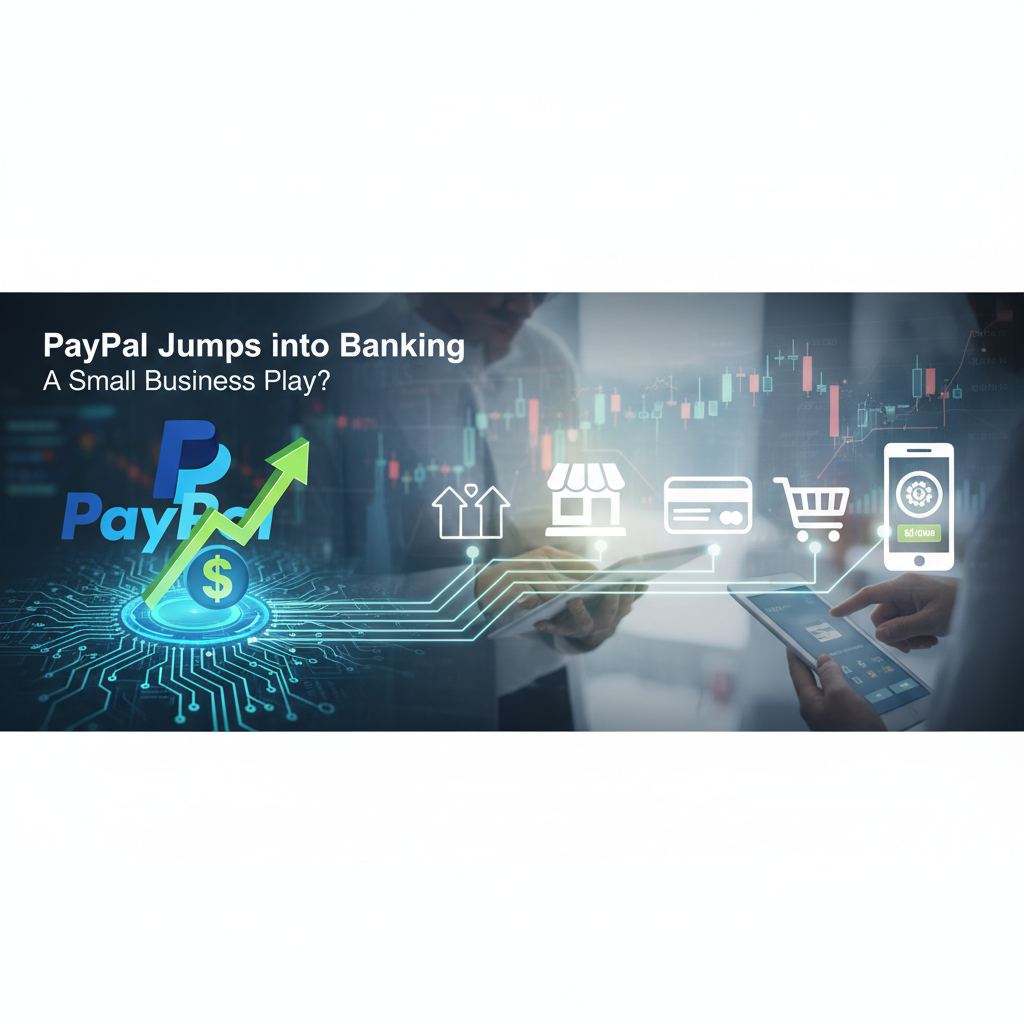
The hum of the servers in the Utah data center, usually a background drone, seemed to amplify as the news broke. PayPal, the ubiquitous digital payments giant, was making a move into the world of traditional banking. The company filed with Utah and the FDIC to launch PayPal Bank, an industrial loan company focused on small business lending and FDIC-insured savings accounts. This wasn’t just a tweak; it was a shift.
The strategic implications are significant. For years, PayPal has been the intermediary, the digital bridge. Now, they’re aiming to be the bank itself, offering services directly to the small businesses that constitute the backbone of the American economy. “This is a logical extension of PayPal’s existing services,” noted a financial analyst from Wedbush Securities, speaking on a call this morning. “They already have the customer base, the payment infrastructure, and a wealth of data on these businesses. Why not offer them loans and savings accounts?”
The move isn’t without its challenges. The regulatory landscape is complex, and the competition is fierce. Traditional banks, fintech startups, and online lenders are all vying for the same small business customers. But PayPal has a few advantages. They understand the needs of small businesses, they have a massive user base, and they have the technology infrastructure to offer competitive rates and services. The filings with Utah and the FDIC are the first steps in what could be a long journey.
The question now is, what does this mean for the future of banking? Will PayPal’s move prompt other tech giants to follow suit? Or will the complexities of the banking industry prove to be too much? One thing is certain: the financial landscape is changing, and PayPal is betting big on the future of small business.
About the Author