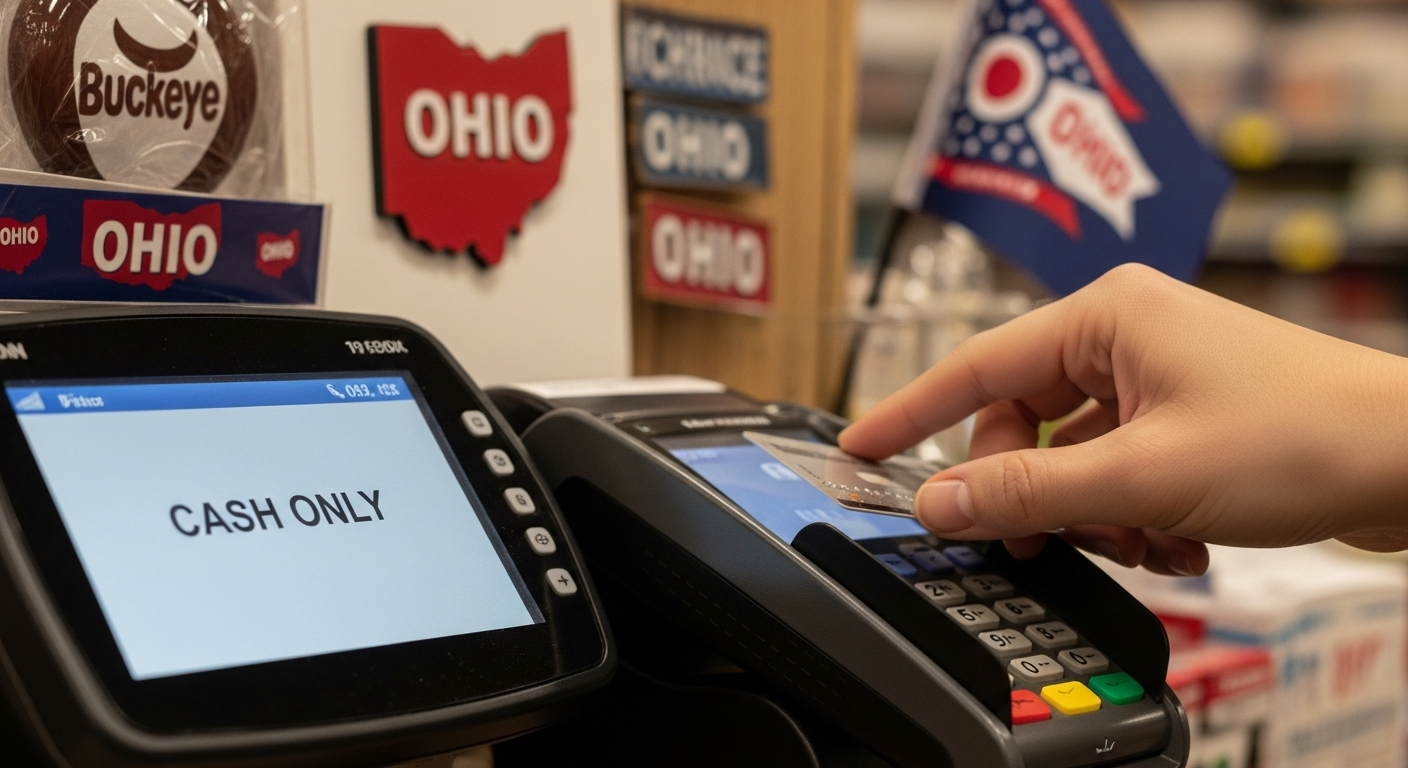
The fluorescent glare of a Target in Columbus. Rows of carts, a low hum of shoppers. It’s here, amidst the curated chaos of consumerism, that the future of payment might be decided.
Ohio lawmakers are weighing a bill. If passed, it would require businesses to accept cash for transactions up to $500. Imagine the lines then.
This isn’t just about nostalgia for crumpled bills. It’s about access, about who gets to participate in the economy. It’s also about the bottom line for giants like Walmart and Costco.
The proposed legislation, currently under consideration, could force major retailers to adapt. No more card-only checkouts. No more bypassing the till.
“This is about ensuring that all Ohioans have the ability to purchase goods and services,” says State Representative [Name], a proponent of the bill. (Source: [Source]).
Consider the implications. Retailers would need to reconfigure checkout lanes. Train staff. Manage cash flow. It’s a logistical challenge. It’s also a potential shift in consumer behavior.
Picture the scene: a Costco on a Saturday afternoon. Carts overflowing. The pressure to move fast. Now add the bottleneck of cash transactions. The tension would be palpable.
The bill’s proponents argue it protects those without access to credit or banking services. A practical concern. But it also raises questions about efficiency and the evolving landscape of retail.
The date is October 26, 2024. The location, the Ohio Statehouse. The debate continues.
What happens next? The answer, like the future of retail, remains in flux.
About the Author