The low hum of the thermal testing chamber filled the Naware lab on a Tuesday in late December. Engineers hunched over monitors, scrutinizing heat maps of the latest prototype. Outside, the world was focused on holiday cheer, but inside, the team was laser-focused on a different kind of green: a chemical-free weed killer.
Naware, a classic hardware startup, was founded on a simple problem: how to eliminate weeds without the environmental downsides of traditional herbicides. The solution, after relentless tinkering, is a device that zaps weeds with focused energy, effectively killing them at the root. The company is targeting a market that, according to a recent report by Grand View Research, is expected to reach $10.3 billion by 2028.
“It’s been a long road,” said Sarah Chen, Naware’s lead engineer, her voice barely audible over the whir of machinery. “We started with a basic concept, and then it was iterative design, prototype after prototype.”
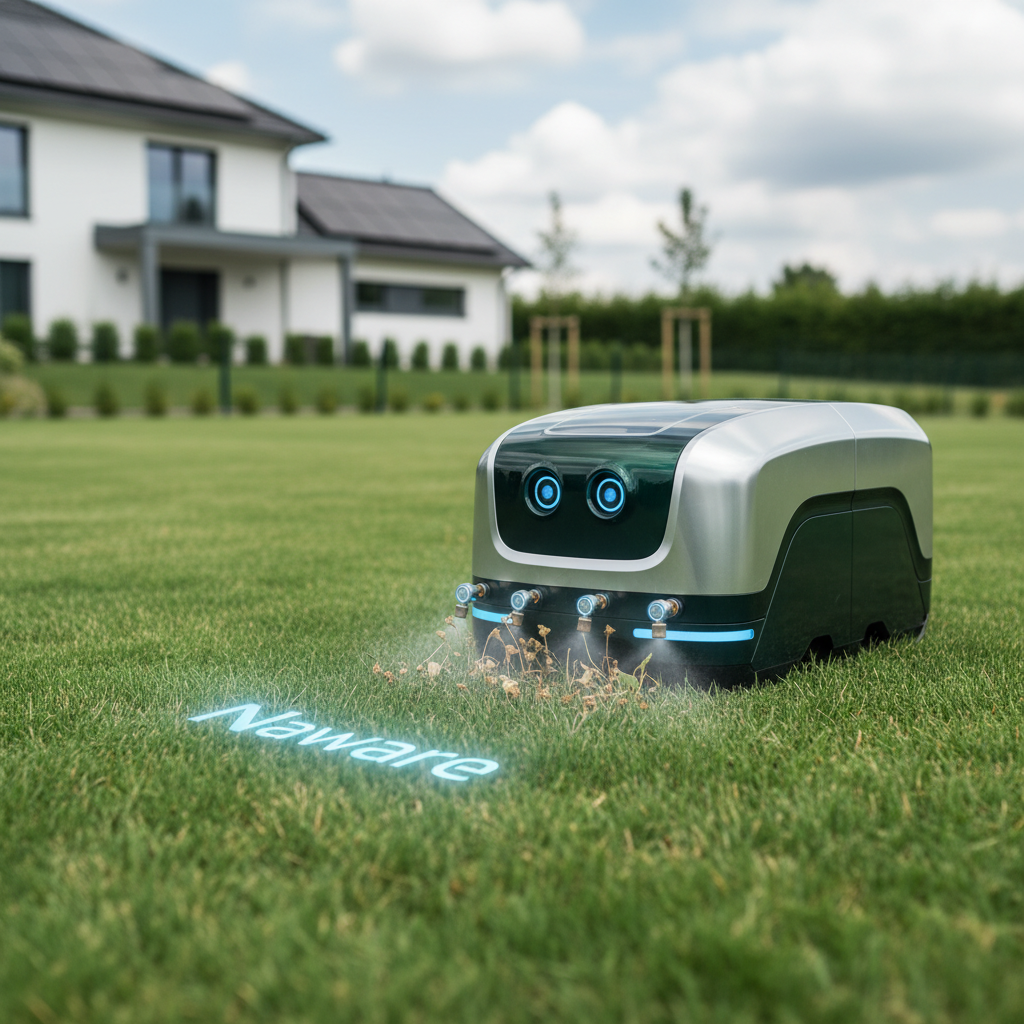
The core technology involves a precisely calibrated energy delivery system. The device identifies weeds using computer vision and then delivers a pulse of energy, effectively cooking the weed from the inside out. It’s a delicate balance, ensuring enough power to kill the weed without damaging the surrounding grass, and it’s this precision that sets Naware apart.
Analysts are taking notice. “Naware’s approach is interesting,” notes Michael Thompson, a senior analyst at Gartner. “If they can deliver on their promises of efficacy and ease of use, they could disrupt a very established market.” Thompson forecasts that Naware could capture 5% of the consumer market within three years, translating to roughly $200 million in sales, if they successfully scale production.
Scaling, of course, is the challenge. Naware is currently in talks with several manufacturers to ramp up production. The company is aiming for a full market launch by the spring of 2026, with an initial production run of 50,000 units. Sourcing components has presented its challenges, though, as they have had to navigate supply chain constraints, especially with certain specialized components. This is a common hurdle for hardware startups, especially those with advanced tech, and Naware is no exception.
The environmental angle is a key selling point. As consumer awareness of the dangers of chemical herbicides grows, so does the demand for sustainable alternatives. Naware is betting that consumers will be willing to pay a premium for a product that is both effective and environmentally friendly. The company’s marketing will heavily emphasize this, as they position themselves as the eco-conscious choice.
The team is also exploring potential partnerships with landscaping companies and lawn care services. The idea is to integrate their technology into existing operations, providing a more sustainable option for professional lawn care. The implications of this are significant. It could reshape the landscape of the lawn care industry, moving it toward greener practices, one weed at a time.
The future is green, or maybe that’s just how the team in the lab sees it.
About the Author