The hum of the servers was a constant presence in the dimly lit data center, a low thrumming counterpoint to the rapid-fire clicks of keyboards. Engineers at MedTech Solutions, a health-tech startup, were huddled around a monitor, reviewing thermal tests for their new AI-driven diagnostic tool. It was December 20, 2025, and the pressure was on. The FDA review was looming.
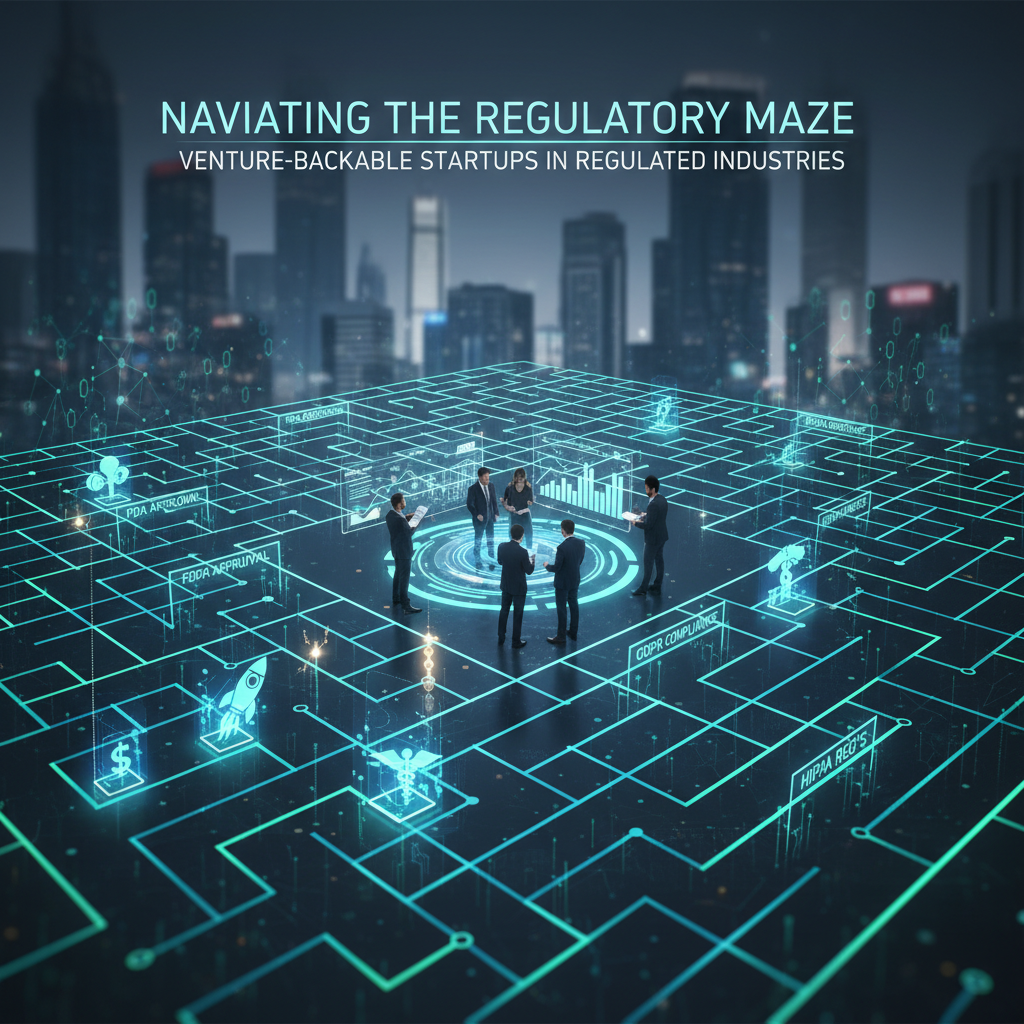
Building a venture-backable company in a heavily regulated space is a marathon, not a sprint. As Isabelle Johannessen discussed this week on TechCrunch’s Build Mode, the journey is fraught with challenges, as startups navigate complex regulatory landscapes. The need for regulatory clearance doesn’t have to be a damper on innovation. It is, however, a significant hurdle.
“The regulatory process can feel like wading through molasses,” said Dr. Anya Sharma, MedTech’s CEO, during a recent analyst call. “But it’s a necessary evil. Or maybe not evil, but definitely a serious test of patience and resources.” Sharma’s team was targeting a 2026 launch, but any delay in FDA approval could push that timeline back, impacting projected sales, which analysts had estimated at $50 million in the first year.
The regulatory environment, especially in healthcare, is designed to protect consumers. This means rigorous testing, documentation, and compliance with a myriad of rules. For MedTech, this meant not just proving their AI was accurate, but also that their data storage met stringent HIPAA standards. It was a constant balancing act between innovation and compliance. A tricky dance, indeed.
The challenges aren’t limited to healthcare. Fintech startups face similar hurdles with financial regulations, and biotech companies must navigate complex clinical trial requirements. Regulatory compliance can significantly increase the cost of doing business, often requiring dedicated teams of lawyers, regulatory experts, and consultants.
“It’s a high barrier to entry, no doubt about it,” noted Mark Thompson, a partner at Venture Capital Firm, during a recent industry conference. “But it also creates a significant advantage for those who succeed. The regulatory moat protects the winners.” He pointed out that startups that can successfully navigate these complexities often build more resilient and defensible businesses. He estimates that the successful ones can see returns in the range of 10x within five years.
The supply chain can add another layer of complexity. The global chip shortage of 2024-2025, for example, forced many companies to re-evaluate their hardware procurement strategies. Companies like MedTech had to diversify their suppliers and build contingency plans to mitigate potential disruptions. SMIC versus TSMC? The choice, dictated by export controls and domestic procurement policies, could make or break a project.
The key, according to several founders, is to plan for regulatory hurdles from day one. This means building compliance into the product development process, hiring the right expertise, and establishing a strong relationship with regulatory bodies. It also means being prepared to adapt. Regulations change, and startups must be agile enough to respond.
The engineers at MedTech, after a long day, finally saw the green light on their thermal tests. Another hurdle cleared. The road ahead was long, but they were making progress. The journey of building a venture-backable company in a regulated space is a test of resilience, adaptability, and unwavering commitment to the mission. The rewards, however, can be substantial for those who navigate the maze successfully.
About the Author