The hum of servers filled the air, a constant thrum in the Reality Labs engineering space. It was early November, and the mood was… subdued. After months of hype, the metaverse push was hitting a wall. Reports surfaced that Meta was slashing its Reality Labs budget by as much as 30%, a move that sent ripples through the tech world.
The pivot was on. AI-powered glasses, not virtual worlds, were now the priority.
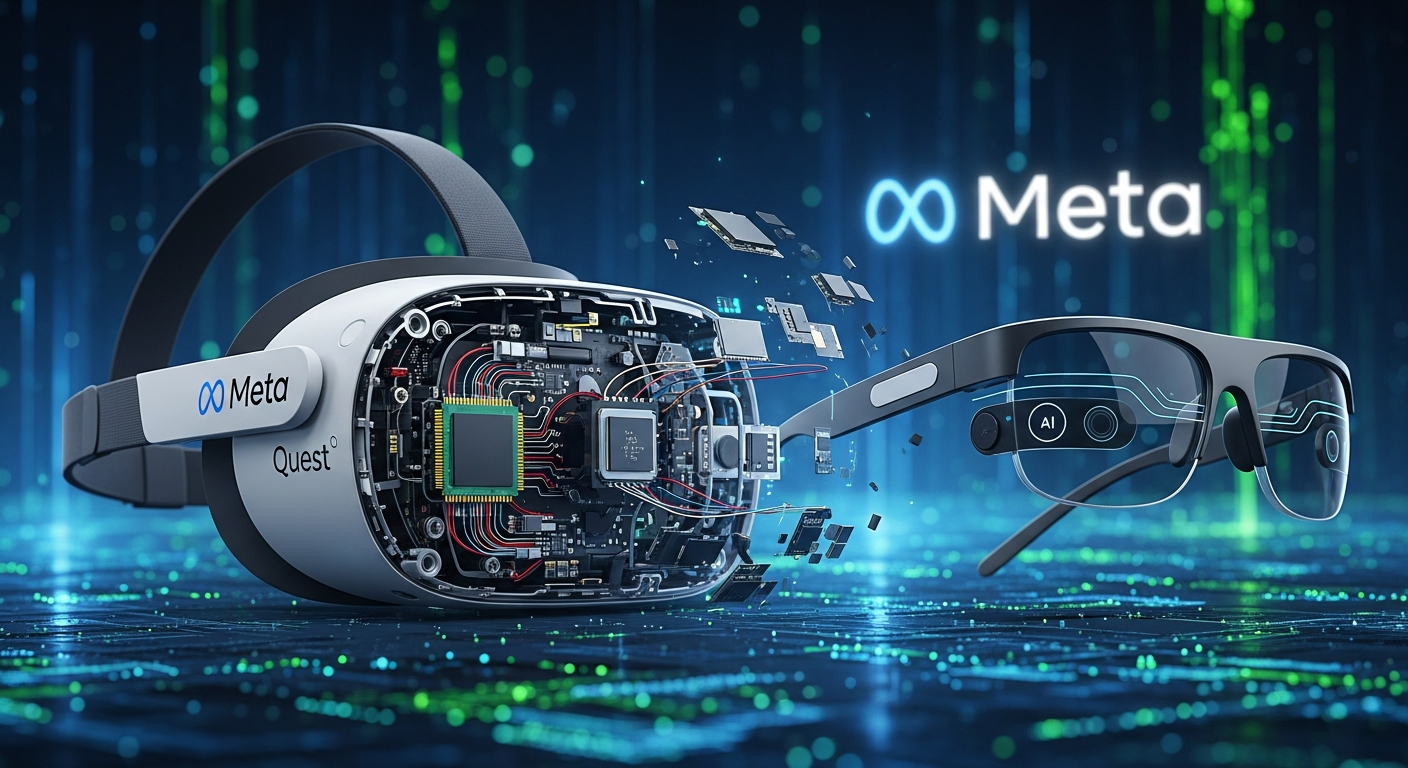
Inside the lab, engineers were running thermal tests on prototype glasses, the air thick with the smell of soldering and the quiet clicks of keyboards. The focus had shifted from sprawling digital landscapes to the nitty-gritty of hardware. The goal? To pack powerful AI capabilities into a wearable device. The challenge? Making it all fit, and work. “It’s a complete 180,” said one engineer, who asked not to be named, as he pointed to a schematic of a new chip design.
The move wasn’t entirely unexpected. Analysts had been signaling a slowdown in metaverse adoption for months. “The market for immersive virtual experiences hasn’t materialized as quickly as Meta hoped,” explained Stephanie Llamas, an analyst at market research firm, SuperData. “This shift allows them to leverage their AI expertise while still playing in the AR/VR space.”
The core of the problem, as many saw it, was the cost. Building out the metaverse required massive investments in infrastructure, content creation, and user acquisition. The returns, however, were slow in coming.
The company’s ambitions, once vast, now seemed more focused. In a conference call in late October, executives outlined a revised roadmap. The M100, the first generation of AI-powered glasses, was still slated for a 2025 release. The M300, with more advanced AI features, was now targeting a 2027 launch.
The shift to AI-powered glasses also presented new challenges. The chips required for advanced AI tasks are complex, and the supply chain is fragile. The US export controls on advanced semiconductors, and the ongoing tensions with China, are making it harder to secure the necessary components. The manufacturing capacity of TSMC, the world’s leading chipmaker, is already stretched thin.
The change also reflected a broader trend in the tech industry. AI was hot, and Meta, like many other companies, wanted a piece of the action. The company already had strong AI capabilities, and the move to AI-powered glasses was a way to capitalize on those investments. The metaverse, for now, had been relegated to the back burner.
The shift also reflected a broader trend in the tech industry: AI was hot, and Meta, like many other companies, wanted a piece of the action. The company already had strong AI capabilities, and the move to AI-powered glasses was a way to capitalize on those investments.
The mood in the lab was one of cautious optimism. The engineers, for the most part, seemed relieved. The metaverse was a long shot. AI-powered glasses, on the other hand, felt like a surer bet. It was a bet on the future, yes, but a future that felt more grounded, more real, and maybe, just maybe, more profitable.
About the Author