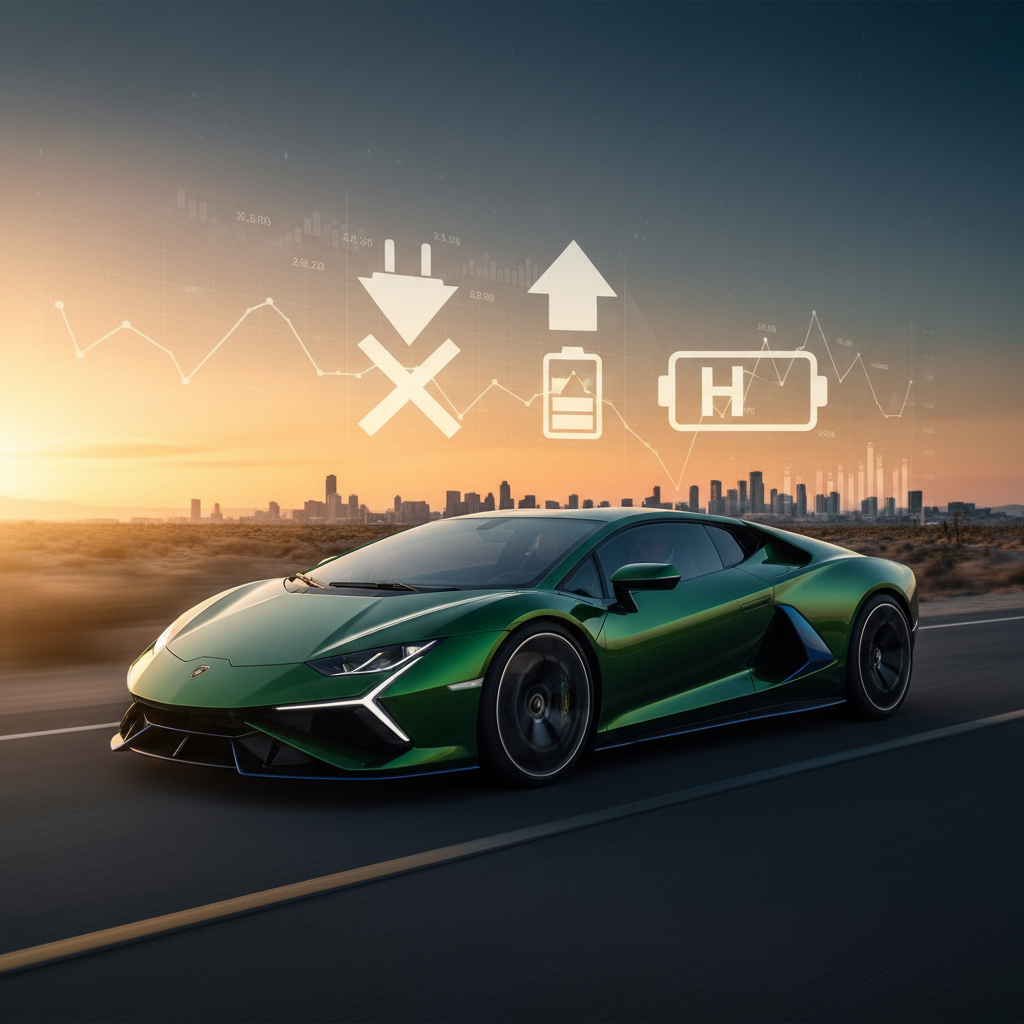
The fluorescent lights of the Lamborghini engineering lab hummed, reflecting off the polished hoods of test vehicles. It was late September, and the air crackled with the nervous energy of a team bracing for a pivot. Initial plans for an all-electric launch were being scrapped.
“Expensive hobby,” one engineer muttered, staring at a thermal imaging readout of a prototype battery pack. The project, codenamed “Revuelto EV,” had been in development for nearly two years. Now, CEO Stephan Winkelmann’s words echoed through the room: a plug-in hybrid would replace the EV. The reason? A perceived lack of consumer demand.
This isn’t just a Lamborghini problem. The luxury EV market has cooled. According to a recent report from J.D. Power, overall EV sales growth has slowed, with early adopters making way for a more hesitant mainstream consumer. “The initial hype is wearing off,” noted Jessica Caldwell, Executive Director of Insights at Edmunds. “Luxury brands, which often cater to a more conservative clientele, are feeling the pinch.”
The decision to shelve the EV launch wasn’t made lightly. The company had invested heavily in battery technology, charging infrastructure, and the retooling of its production lines. The shift to hybrids, while less technologically ambitious, offered a more palatable solution for the current market. These vehicles would still offer some electric driving range, meeting environmental regulations, while retaining the familiar roar of a gasoline engine.
But what about the future? The long-term trend still points toward electrification. Lamborghini’s parent company, Volkswagen, has committed billions to its EV strategy. The question is: when will the market be ready? The company is now targeting 2029 for its first fully electric vehicle, giving it time to gauge consumer sentiment. The company’s initial projections for the EV launch were optimistic, forecasting sales of 5,000 units in the first year alone. Now, those figures are being reevaluated.
Supply chain issues, particularly with battery components, have also played a role. While Lamborghini doesn’t rely on a single supplier, the global shortage of chips and other materials has caused delays and increased costs. The company is now carefully navigating the complex web of suppliers and manufacturing partners, hoping to avoid further disruptions.
The cancellation of the EV launch is a stark reminder of the volatile nature of the automotive industry. It’s a market where consumer preferences, technological advancements, and economic factors are constantly in flux. Lamborghini, like other luxury brands, is now adjusting its strategy, hoping to stay ahead of the curve. Or maybe that’s how the supply shock reads from here.
About the Author