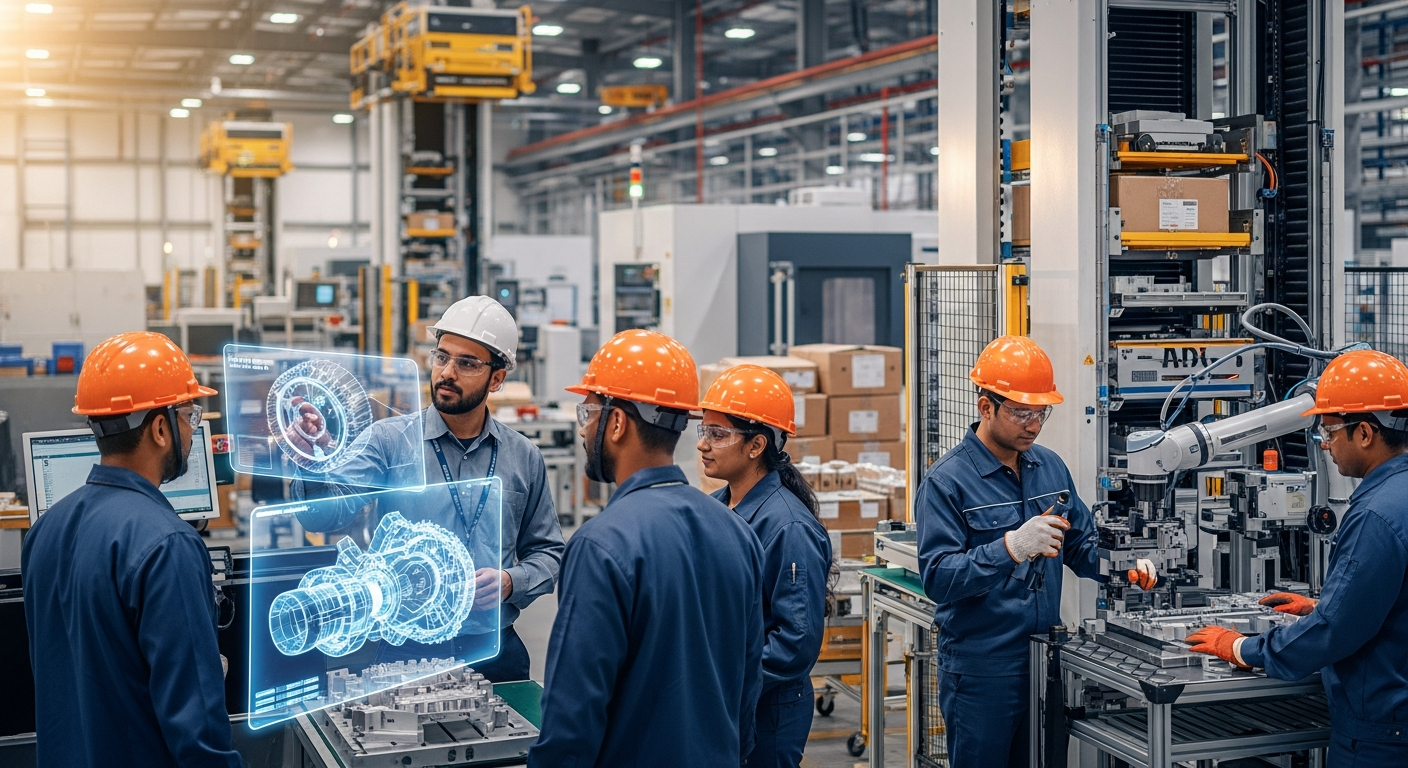
The air in the manufacturing plant, somewhere outside of Mumbai, felt charged. Not with electricity, exactly, but with a different kind of energy — a sense of purpose, maybe. This wasn’t just another factory floor; it was, according to officials, a snapshot of India’s evolving manufacturing story.
It’s the vertical mobility industry, you know, elevators and escalators, that’s undergoing a pretty remarkable shift. For years, much of the sector relied on importing components, piecing things together. But as of late 2023, the scene has changed. Now, a lot of the critical components are being manufactured right here, in India. They’re not just for domestic use either; these systems are going global.
A senior executive from the Associated Manufacturing Association, told me that this shift is driven by a few key things: increasing domestic demand, supportive government policies, and a growing pool of skilled engineering talent. The tricky part is keeping up with the pace, honestly. Demand is surging, and the industry is racing to meet it.
I saw the scale of it firsthand during my visit. Rows upon rows of machines, all humming away, creating parts that will eventually be used in buildings around the world. It’s a far cry from the import-dependent model of the past. The goal is to contribute significantly to India’s broader manufacturing ambitions, as per the government’s Make in India initiative.
The numbers are also pretty compelling. Exports are up, and the industry is positioned to play a bigger role in the global value chain. It’s a story of local manufacturing, producing globally used components. Or maybe I’m misreading it.
Still, the energy on the floor — the focus, the clatter of machinery, the quiet hum of ambition — it was something.
About the Author