The fluorescent lights of the conference hall hummed, reflecting off the polished name badges. It was the ETAuto EV Conclave 2025, and the air crackled with anticipation. The central theme: how India would build its electric vehicle future. The consensus? A blend of frugal engineering, digital-first design, and a collaborative ecosystem.
“India’s EV story won’t be a carbon copy of the West,” said a panelist, her voice amplified by the room’s acoustics. “It will be defined by what we can build here, how we can build it, and with whom.”
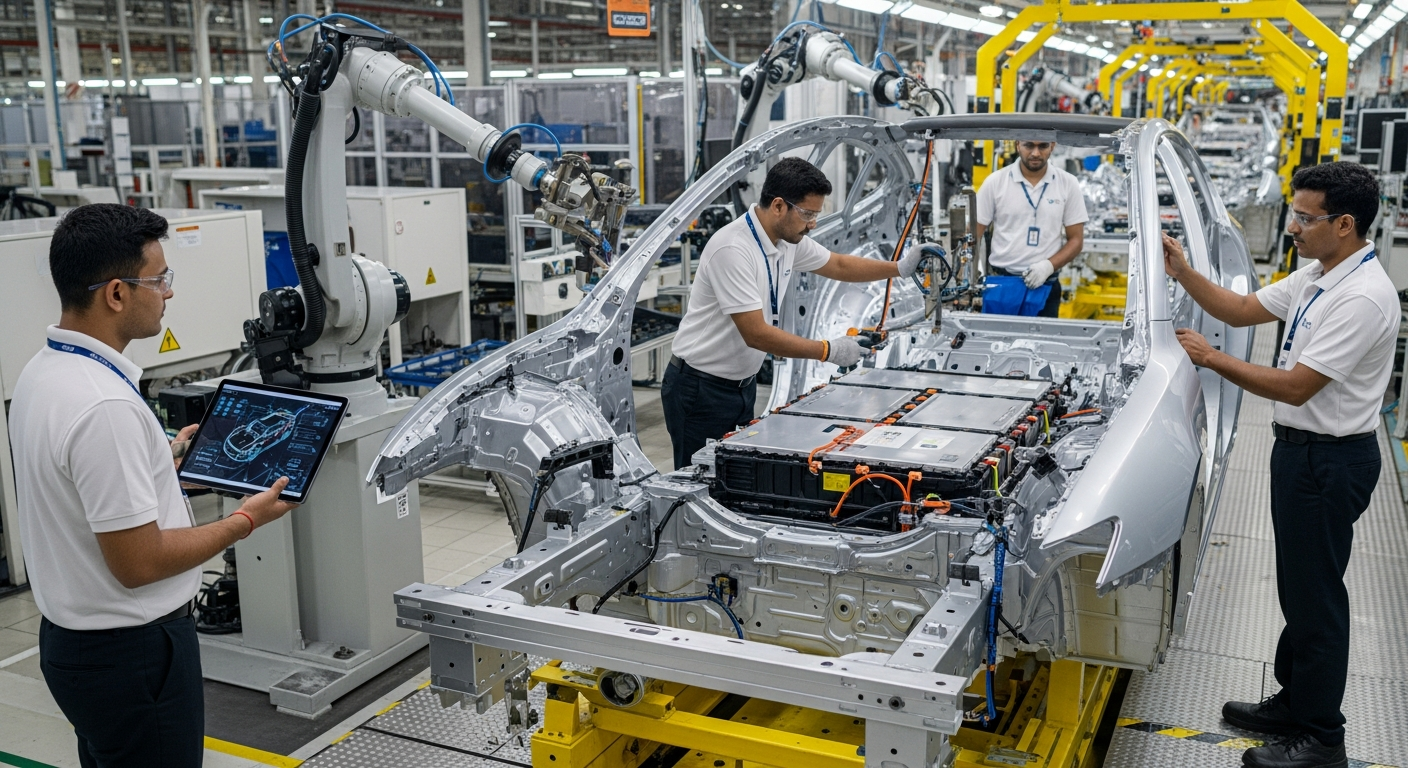
The emphasis on ‘frugal engineering’ wasn’t just a buzzword. It was a practical necessity. India’s EV market is price-sensitive, demanding innovative solutions that deliver performance without breaking the bank. This means optimizing designs for local manufacturing, sourcing components strategically, and leveraging digital tools to streamline the entire process.
Digital-first design emerged as another key pillar. This approach prioritizes software and digital integration from the outset, enabling features like over-the-air updates, advanced driver-assistance systems (ADAS), and connected car services. Modular platforms would be crucial, allowing manufacturers to adapt quickly to evolving battery technologies and consumer preferences. The goal? To create vehicles that are not only affordable but also technologically advanced.
A collaborative ecosystem, spanning suppliers, startups, and established OEMs, was seen as essential. This means fostering partnerships, sharing knowledge, and encouraging innovation across the board. Startups, in particular, were expected to play a crucial role, bringing fresh perspectives and agility to the table.
“We’re looking at a future where the lines between OEMs and suppliers are blurred,” a senior executive from a leading automotive component manufacturer explained during a break. “It’s about co-creation, not just transactions.”
The focus on localisation is critical. The government’s push for domestic manufacturing, coupled with rising geopolitical tensions, has created a strong incentive to build a robust local supply chain. This involves not only assembling vehicles in India but also manufacturing key components like batteries, motors, and electronic control units (ECUs). This is a complex undertaking, requiring significant investment and technological expertise. However, the potential rewards are significant: reduced reliance on imports, job creation, and a more resilient automotive industry.
According to a recent report by Deloitte, the Indian EV market is projected to reach $48 billion by 2030. This growth will be fueled by factors like government subsidies, rising fuel prices, and increasing consumer awareness. The transition won’t be without its challenges. Supply chain bottlenecks, regulatory hurdles, and the need for skilled labor will all need to be addressed. The path ahead is not easy.
But the mood at the ETAuto EV Conclave was one of optimism. The belief was that by embracing frugal engineering, digital innovation, and a collaborative approach, India could not only electrify its automotive sector but also establish itself as a global leader in the EV space. It’s a bold vision, but one that many in the industry believe is within reach.
About the Author