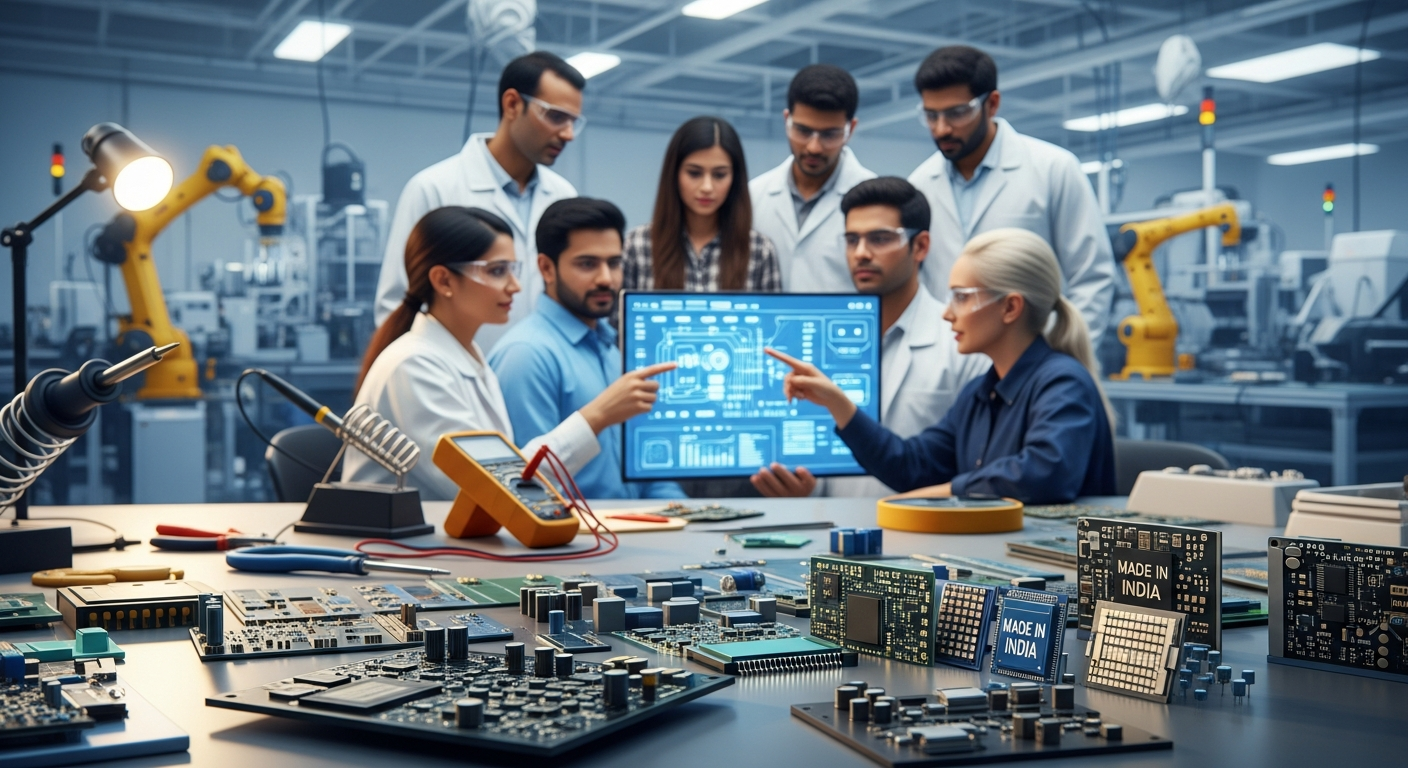
The hum of ambition is almost audible. Another tranche of projects, approved by the Centre, is set to inject ₹7,172 crore into India’s electronics component manufacturing scheme (ECMS). The goal? To generate a staggering ₹65,111 crore in output.
It’s a figure that demands attention. A bet on the future, laid out by the Ministry of Electronics and Information Technology. The focus, as articulated by Minister Vaishnaw, is clear: design strength and supply-chain resilience. Not just assembling, but building from the ground up.
Consider the landscape. Factories, not just in the established hubs, but spreading. Engineers, designers, and technicians, their skills in demand. The pressure, of course, is immense. Global markets shift, technologies evolve, and competition is relentless.
Vaishnaw’s emphasis on design isn’t accidental. It’s a recognition of where value is truly created. Where India can leapfrog. It’s about owning the intellectual property, the blueprints, the innovation.
“This is a significant step towards making India a global hub for electronics manufacturing,” one industry analyst noted in a recent report. (Source: Industry Report, 2024)
The supply chain, a tangled web of components and logistics, is the other piece of the puzzle. The pandemic exposed vulnerabilities. Now, the push is for self-reliance. To control the inputs, the flow, the destiny of the industry.
What does this mean on the ground? New factories, perhaps. Upgraded infrastructure. A race to attract talent. The government’s role is to facilitate, to incentivize, to create an environment where these ambitions can take root and flourish. The stakes are high, but the potential is even greater.
About the Author