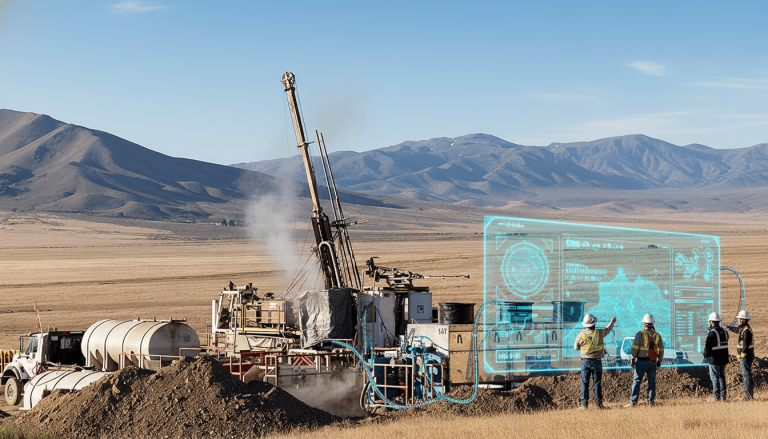
India’s Strategic Mineral Partnerships with Germany and Canada
In a move signaling a strong commitment to its clean energy transition and technological self-reliance, India is on the verge of approving significant cooperation agreements. These agreements, as reported by the Economic Times, will be forged with Germany and Canada, targeting the crucial domain of critical minerals. This initiative underscores India’s proactive stance in securing resources vital for its future, aligning seamlessly with the nation’s broader strategic objectives.
The Core of the Agreements: Critical Minerals
The heart of these partnerships lies in the realm of critical minerals. These are the unsung heroes of modern technology and the clean energy revolution. Essential for everything from electric vehicles to renewable energy infrastructure, these minerals are indispensable. The pacts with Germany and Canada are designed to facilitate joint exploration efforts, ensuring sustainable mining practices, and building robust, resilient supply chains. This multifaceted approach demonstrates a comprehensive strategy to secure access to these vital resources.
Strategic Alignment and Objectives
The decision to collaborate with Germany and Canada is not arbitrary; it’s a strategic move. These nations bring unique expertise and resources to the table, and the partnerships are designed to be mutually beneficial. For India, these agreements are a direct implementation of the ‘Atmanirbhar Bharat’ initiative, emphasizing self-reliance and reducing dependence on external sources for critical materials. Furthermore, the collaboration directly supports the goals of India’s Critical Minerals Mission, a dedicated effort to map, explore, and secure these essential resources.
Key Areas of Cooperation
The collaboration framework encompasses several key areas: joint exploration, sustainable mining practices, and supply chain resilience. This holistic approach ensures that the partnerships are not just about accessing resources, but also about responsible and environmentally conscious practices. The emphasis on sustainable mining reflects a commitment to minimizing environmental impact while maximizing the long-term viability of the projects. Building resilient supply chains is equally crucial, as it mitigates risks associated with geopolitical uncertainties and market fluctuations.
Joint Exploration
Collaborative exploration efforts will be a cornerstone of the partnerships. By combining the expertise and resources of India, Germany, and Canada, the aim is to identify and assess potential mineral deposits. This collaborative approach will accelerate the discovery process and enhance the efficiency of resource utilization.
Sustainable Mining
The agreements will prioritize sustainable mining practices. This means adopting environmentally friendly extraction methods, ensuring responsible land use, and minimizing the ecological footprint of mining operations. This commitment is crucial for long-term sustainability and reflects a global trend towards more responsible resource management.
Supply Chain Resilience
Building resilient supply chains is a key objective. This involves diversifying sources, reducing dependencies, and ensuring a stable flow of critical minerals. By fostering strong partnerships, India aims to mitigate risks and secure access to these vital resources for the long term.
The Broader Implications
These agreements are more than just about minerals; they are about shaping India’s future. By securing access to critical resources, India is positioning itself as a key player in the global clean energy transition and the advancement of technology. This proactive approach will not only boost economic growth but also strengthen strategic partnerships with key allies.
Conclusion
As India moves forward with these agreements, the focus remains on building a sustainable, self-reliant, and technologically advanced future. The collaborations with Germany and Canada represent a significant step towards achieving these ambitious goals, ensuring that India remains at the forefront of global innovation and progress.
Source: Economic Times
About the Author