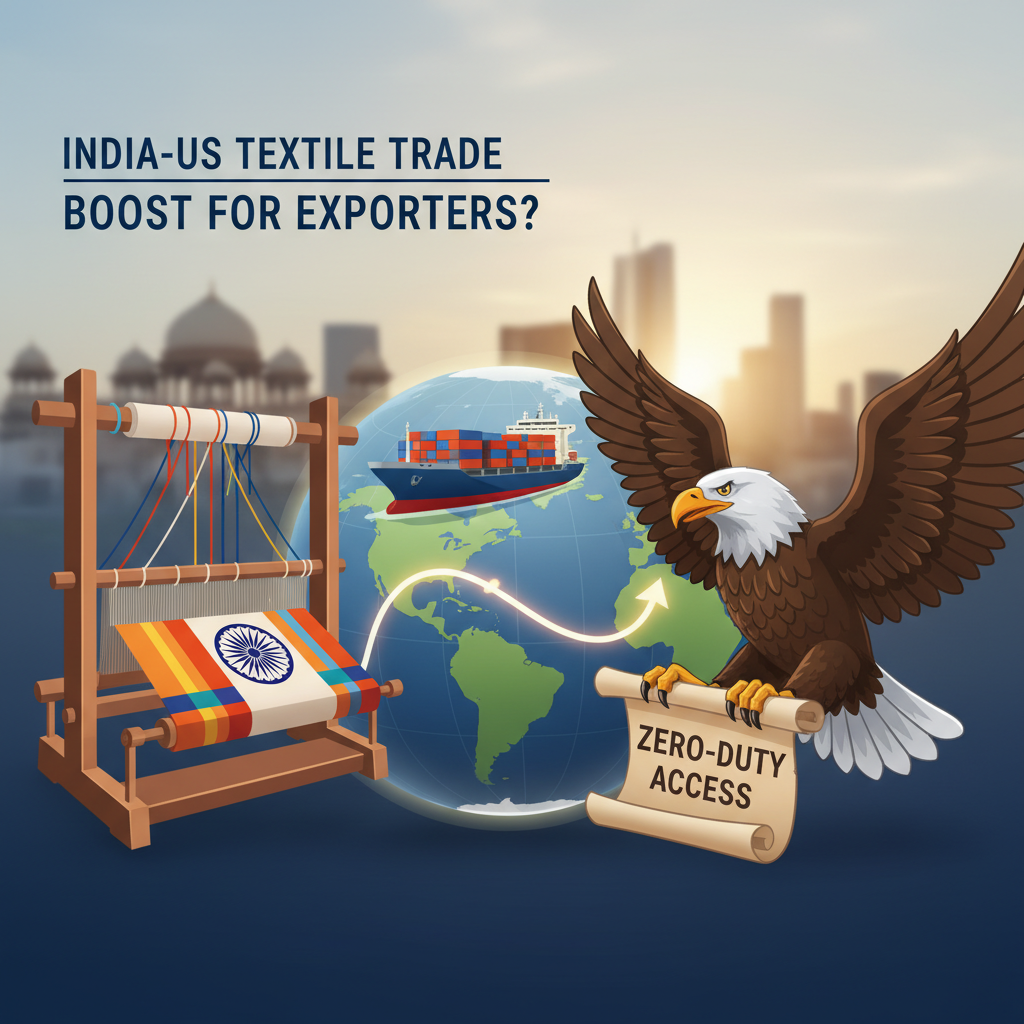
India Eyes Zero-Duty US Textile Access: A Boost for Exporters?
In a significant development for the Indian textile industry, Commerce Minister Piyush Goyal has indicated that India may explore avenues to secure zero-duty access to the US market. This move, potentially mirroring the trade arrangements enjoyed by Bangladesh, has sparked optimism among Indian textile exporters. The prospect of reduced tariffs could provide a much-needed competitive edge, especially in a global market characterized by fluctuating trade dynamics. This article delves into the implications of such a policy shift, examining its potential benefits and addressing key considerations for the Indian textile sector.
Zero-Duty Access: A Game Changer for Indian Textiles
The core of this potential policy shift lies in the concept of zero-duty access. Currently, Indian textile exports to the US face certain tariffs, which can impact their competitiveness. If India manages to secure an agreement similar to Bangladesh, which enjoys preferential access, it could eliminate or significantly reduce these duties. This would make Indian textiles more attractive to US buyers, potentially leading to increased exports and revenue. The move is particularly significant given the strategic importance of the US market for Indian textiles.
Key Players and Their Perspectives
The announcement by Piyush Goyal, the Commerce Minister, is a clear signal of the government’s commitment to supporting the textile industry. His statements suggest a proactive approach to trade negotiations, aiming to create a more favorable environment for Indian exporters. The industry itself, including textile exporters, is likely to welcome this development. Reduced tariffs translate to higher profitability and greater market access. However, the specifics of the agreement and its implementation will be crucial. The industry will closely watch the details of the negotiations and the final terms of any agreement.
Potential Impact on Cotton Exports and Farmers
One of the key considerations is the impact on cotton exports and the farmers who cultivate this vital crop. Industry experts suggest that cotton exports are unlikely to face any adverse impact from this policy change. In fact, increased textile exports could indirectly benefit cotton farmers by creating higher demand for raw materials. This positive outlook is a reassuring factor, as it indicates that the proposed policy is designed to support the entire value chain, from farmers to exporters.
Comparing India and Bangladesh: A Trade Perspective
The reference to Bangladesh in the context of zero-duty access is noteworthy. Bangladesh, a major player in the global textile market, already benefits from preferential trade terms with the US. The Indian government’s intention to emulate this model suggests a strategic move to level the playing field. This comparison highlights the importance of trade agreements in shaping the competitiveness of nations in the global textile landscape. It underscores the need for India to proactively engage in trade negotiations to secure favorable terms.
Navigating the Policy Landscape: Key Considerations
While the prospect of zero-duty access is promising, several factors will influence its success. The specifics of the agreement, including the product categories covered and the duration of the arrangement, will be critical. The Indian government will need to navigate complex trade negotiations with the US, addressing issues such as market access, rules of origin, and compliance with trade regulations. The success of this policy will depend on the government’s ability to secure favorable terms and ensure seamless implementation.
The Road Ahead: Opportunities and Challenges
The potential for zero-duty access to the US market presents a significant opportunity for Indian textile exporters. It could lead to increased exports, higher revenues, and greater market share. However, the path ahead is not without challenges. The government will need to navigate complex trade negotiations, address potential concerns, and ensure that the policy benefits the entire textile value chain. The industry must remain vigilant, adapting to changing market dynamics and focusing on quality, innovation, and sustainability to maximize the benefits of this potential policy shift. The future of Indian textiles in the US market hinges on these factors, making it a critical area to watch.
Source: Business Standard
About the Author