The hum of servers filled the air as the engineers at a Bangalore AI startup, one of many, reviewed thermal tests. They were racing against a looming deadline, the pressure palpable. The joint statement from Prime Minister Modi and Brazilian President Lula, reaffirming their commitment to UN reform, resilient supply chains, and stronger Global South coordination, was more than just diplomatic talk; it was a green light for ventures like theirs.
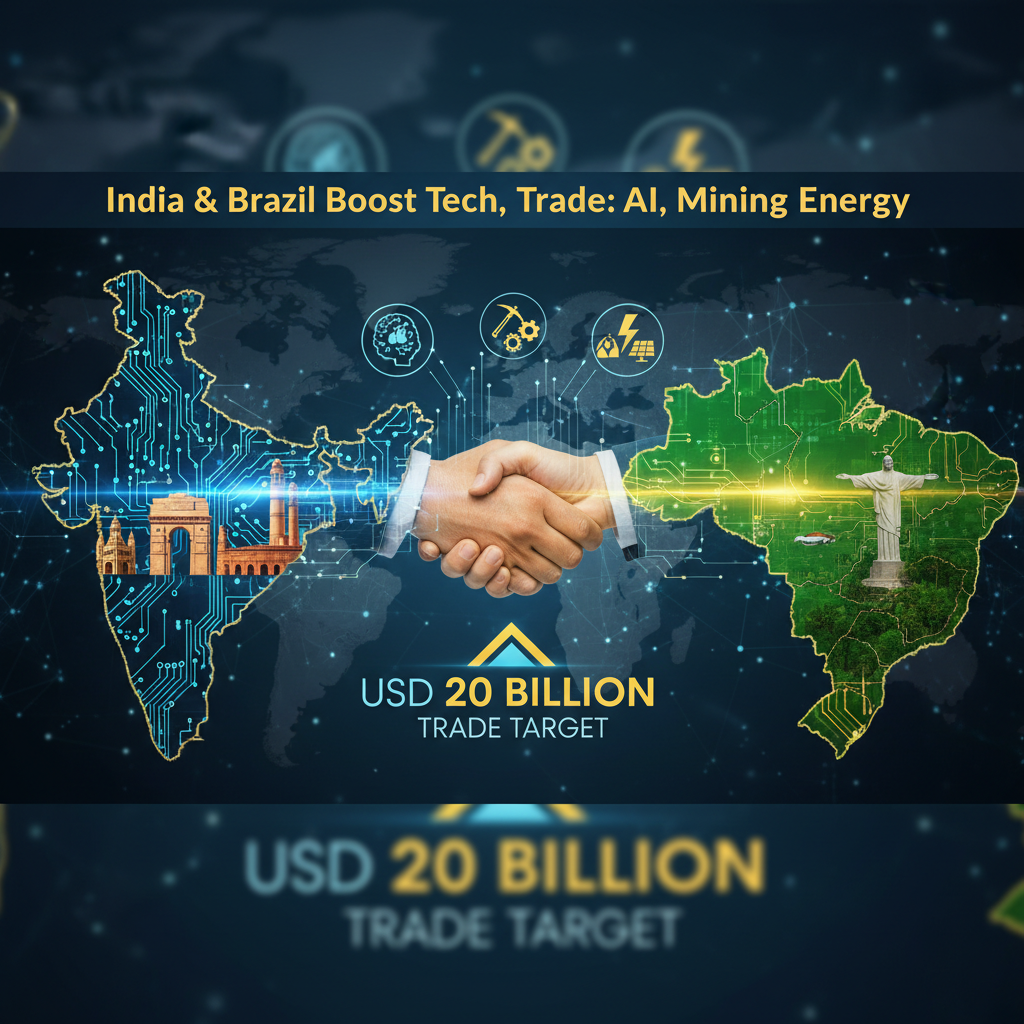
The core of the deal? A massive push in AI, mining, energy, and health. The target? Over $20 billion in trade by 2030. That figure, if achieved, would represent a significant leap from current levels. The focus on AI is particularly striking. Both nations see it as a key driver for future growth, and the timing couldn’t be better. Demand for AI chips is skyrocketing, and the global supply chain, still reeling from the pandemic and geopolitical tensions, is struggling to keep up. India, with its burgeoning tech sector, and Brazil, rich in resources, are positioning themselves to capitalize.
“This partnership is about more than just trade; it’s about building a technological ecosystem,” says Dr. Priya Sharma, a tech analyst specializing in emerging markets. “It’s about sharing knowledge, resources, and fostering innovation.”
Consider the implications for chip manufacturing. While neither country is a major player in the fabrication of cutting-edge semiconductors like TSMC or SMIC, the demand for AI-specific chips is growing exponentially. The M100 and M300 series, with their projected capabilities for 2026 and 2027, are driving the need for sophisticated cooling solutions and power management. That’s a lot of heat, a lot of power. And a lot of opportunities, or so the executives are saying.
The energy sector is another area of intense focus. Brazil’s vast resources and India’s growing energy needs create a natural synergy. But it’s not just about raw materials; it’s also about technological advancements. The development of smart grids, renewable energy solutions, and energy storage technologies will be crucial. This is where the AI comes in again, optimizing energy distribution and predicting demand. The conference call paused. A senior executive coughed, then continued.
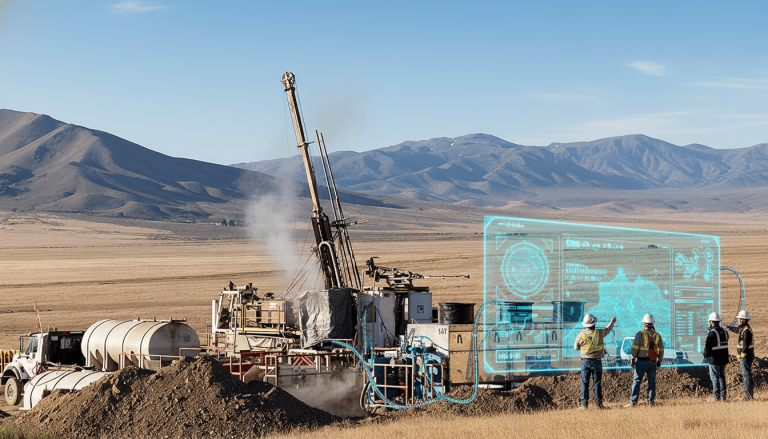
Mining is also a key component. Brazil’s mineral wealth, combined with India’s industrial capacity, presents significant opportunities. But the environmental impact is a critical consideration, and technology will play a vital role in sustainable mining practices. That will be a key point of discussion. Or maybe that’s how the supply shock reads from here.
The implications are far-reaching. The partnership between India and Brazil could reshape the global landscape in AI, mining, energy, and health. It’s a bold move, and the world is watching.
About the Author