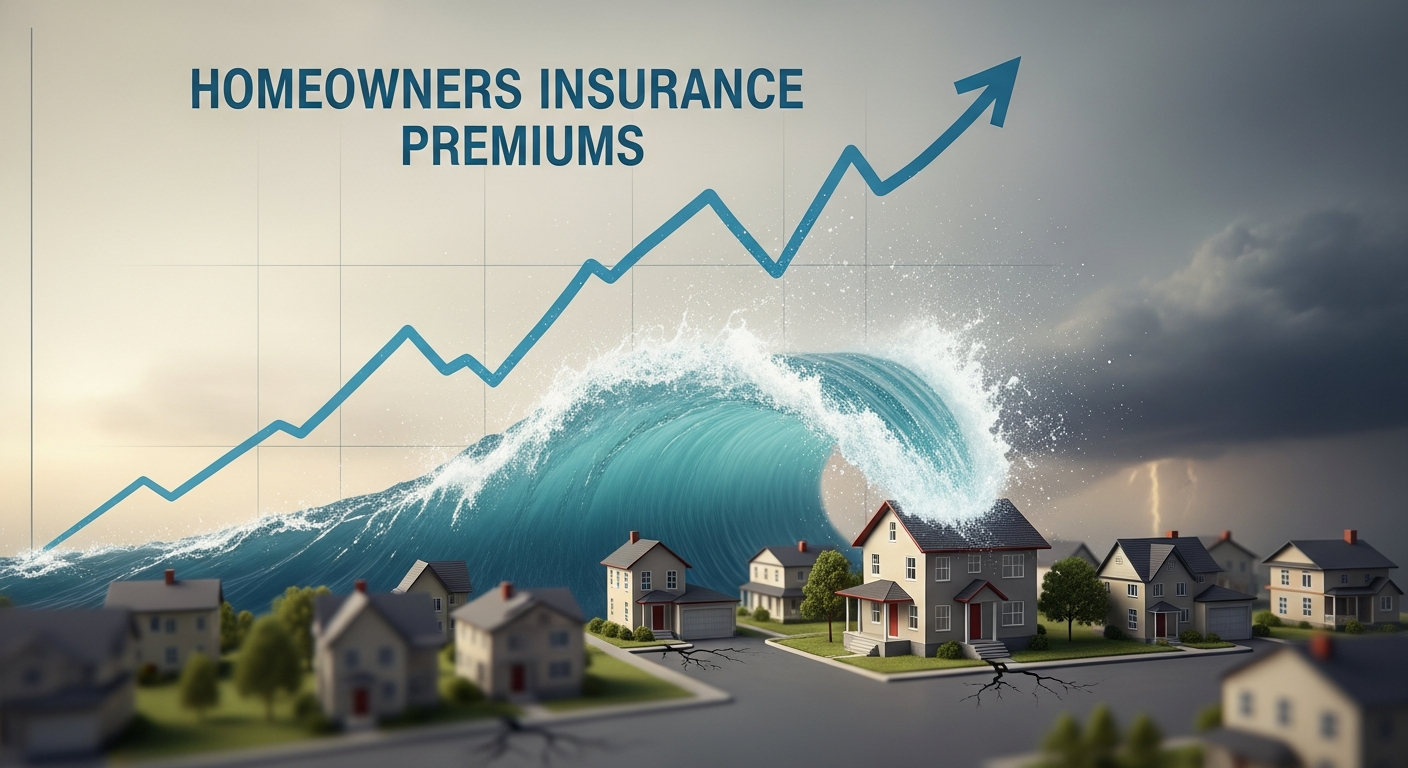
Homeowners across the nation are facing a looming financial challenge: a significant rise in their insurance premiums. Recent reports indicate that homeowners insurance costs could surge by as much as 16% by 2027. This increase is primarily driven by the escalating impact of climate disasters, which are becoming more frequent and severe, thereby increasing the risk for insurance providers.
This trend places additional pressure on the already strained housing affordability crisis. As premiums rise, the overall cost of homeownership increases, potentially pricing out prospective buyers and impacting existing homeowners’ financial stability. The ripple effects could extend to the broader economy, influencing market trends and potentially slowing down real estate activity.
The primary driver behind these rising costs is the increasing frequency and intensity of climate disasters. Events such as hurricanes, wildfires, and floods are causing more damage, leading to higher payouts for insurance companies. These companies, in turn, are adjusting their rates to reflect the increased risk. This creates a cycle where homeowners in areas prone to natural disasters may see the most significant premium increases.
The implications of these rising insurance rates are multifaceted. Homeowners may need to reassess their budgets, potentially delaying other financial goals. Prospective homebuyers might find it harder to qualify for mortgages as the total cost of homeownership rises. Furthermore, the insurance market itself could undergo significant changes, with companies potentially withdrawing from high-risk areas or implementing stricter underwriting practices.
Looking ahead, homeowners and policymakers alike will need to consider strategies to mitigate the impact of these rising costs. This could involve strengthening building codes to better withstand climate-related events, exploring government-backed insurance programs, and promoting risk-reduction measures. Without proactive measures, the affordability crisis in the housing market is likely to worsen, impacting both individual homeowners and the overall economy.
About the Author