The hum of servers filled the air, a constant white noise in the Google data center. Engineers, heads down, reviewed thermal tests for the next-generation Tensor Processing Units (TPUs), the chips that would power the company’s advancements in artificial intelligence. Suddenly, a Slack ping. A colleague, usually jovial, sent a terse message: “Have you seen the news?”
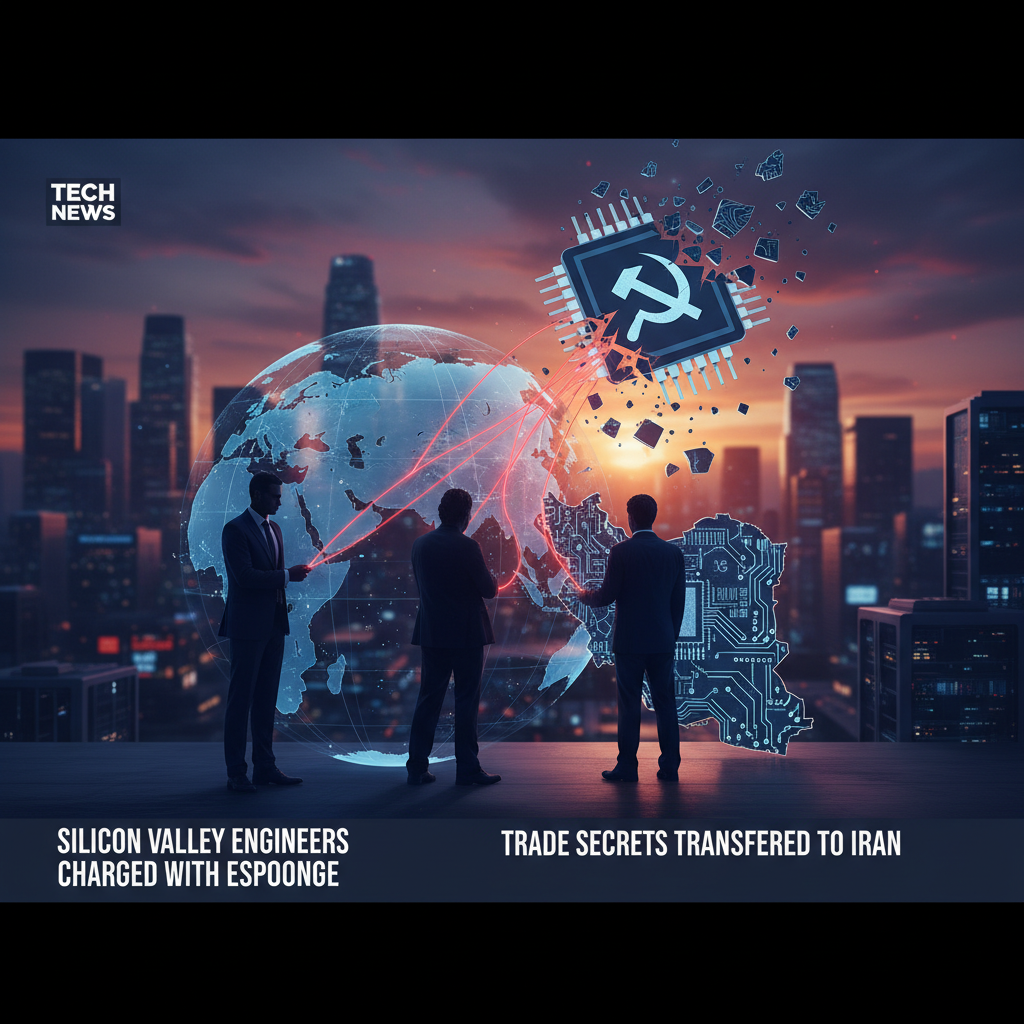
The news, as it turned out, was explosive. Federal prosecutors had just announced the arrest of three Silicon Valley engineers. Their alleged crime: stealing Google trade secrets and transferring sensitive data to Iran. The details were still emerging, but the implications were already clear: a major breach of trust and a potential national security threat. This isn’t just about code; it’s about the future of AI itself.
The alleged theft involved the transfer of proprietary information. The precise nature of the stolen data remains undisclosed, but the indictment suggests it was critical to Google’s operations, potentially concerning aspects of chip design or AI model training. This could translate to billions in damages, according to a cybersecurity analyst at the Lilly School, who wished to remain anonymous. “The value of this data,” the analyst explained, “lies not just in its immediate use, but in the long-term strategic advantage it provides.” The analyst further added, “Data like this, in the wrong hands, could accelerate Iran’s technological capabilities, especially in areas like AI and machine learning.”
The situation underscores the constant cat-and-mouse game between tech companies and those seeking to exploit their innovations. Export controls and supply-chain vulnerabilities, especially regarding advanced chips, have become a focal point of US-Iran tensions. Companies like Google are caught in the crossfire. One can only imagine the pressure: protect intellectual property, meet market demands, and navigate a rapidly shifting geopolitical landscape.
The timing is also crucial. The arrests come amid a global chip shortage. The demand for advanced processors is soaring, driven by the explosive growth of AI. The supply chain is complex, with manufacturing heavily concentrated in a few countries. Any disruption, whether from espionage or policy changes, can have ripple effects across the entire tech industry.
The investigation is ongoing, and the full extent of the damage is still unknown. One thing is certain: the case serves as a stark reminder of the high stakes involved in the global tech race. It’s a story of ambition, betrayal, and the constant struggle to protect the crown jewels of the digital age.
About the Author