The fluorescent lights of the TechCrunch Disrupt stage in San Francisco, November 20, 2025. Two founders, worlds apart in their ventures, shared a common thread: ditching the predictable churn of social media ads for something… different.
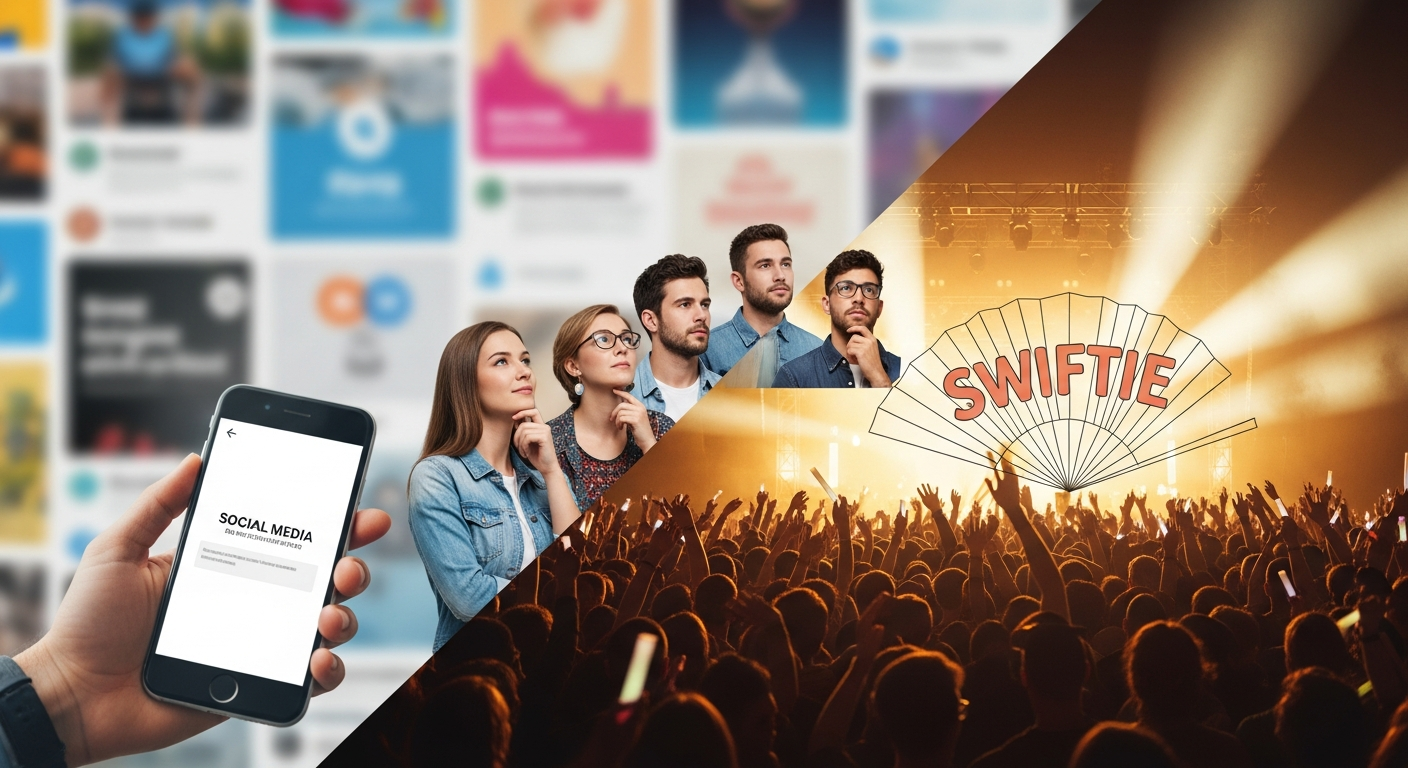
First, Sarah Chen, founder of the well-being app, “Bloom.” She’d been chasing teens online. Ads, influencers, the whole game. It wasn’t working. Then, a shift. Chen started sponsoring Taylor Swift concert ticket giveaways. Targeted, specific. The results? Engagement soared. Conversion rates? Up.
“We realized we weren’t just selling an app,” Chen explained onstage, “we were selling a feeling. And that feeling, for our target demographic, was linked to these cultural moments.”
Across the hall, Mark Johnson, CEO of “Re-Entry Ready,” a platform connecting formerly incarcerated individuals with employment. His initial strategy: LinkedIn ads, job boards. Same problem: low conversion. Johnson’s team then turned to a different kind of tech: tablets pre-loaded with job training and resume-building software, distributed inside correctional facilities. A captive audience, in a sense, but also a population with unique needs and challenges.
“It was about understanding where our users *were*,” Johnson said, “literally and figuratively. Social media wasn’t the answer. Access, opportunity, and trust, that was.” The tablets, a partnership with several county jails, offered a direct line. The results, according to Johnson, were a 30% increase in successful job placements within six months of release, a figure he shared on the Disrupt stage.
The contrast is stark. One founder, chasing the fleeting attention of teenagers through pop culture. The other, providing a lifeline to those re-entering society. Both, however, found success by moving beyond the echo chamber of traditional marketing. The shift, it seems, was from broadcasting to *connecting*. From algorithms to empathy. The lesson? Sometimes, the best way to reach your audience is to go where they actually *are*.
About the Author