The numbers, they say a lot, don’t they? Early February saw a surge in Foreign Portfolio Investors (FPIs) activity, with their buying hitting levels not observed since April 2025. It’s a significant shift, and the market is still trying to make sense of it all.
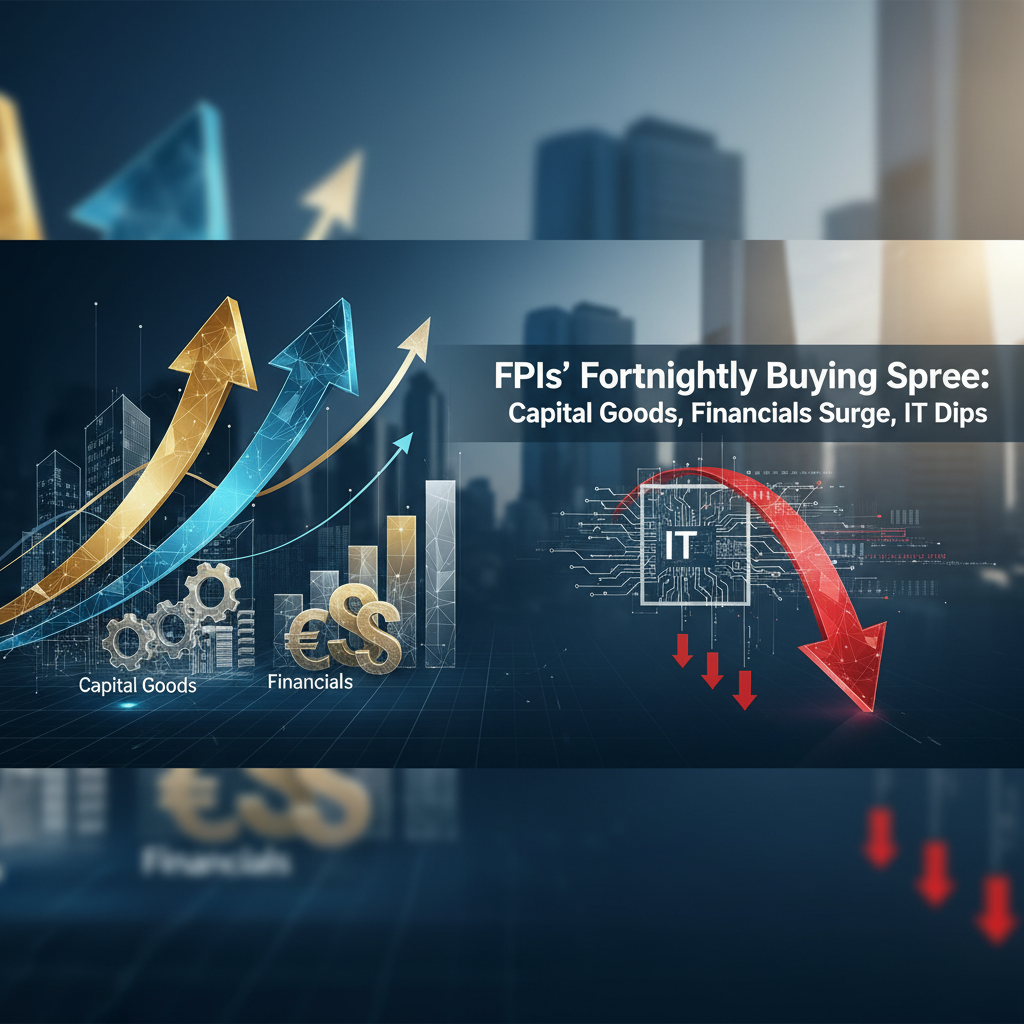
Capital goods, financials, and oil & gas sectors saw the most inflows. The buying spree, as per reports, indicates a move away from the tech-heavy portfolios that were the norm for a while. This adjustment is interesting, because the IT sector has already taken a hit this year.
A senior analyst at a leading financial institution, when asked about the trend, noted the shift towards real economy sectors. “It’s about a rebalancing,” she said, “a bet on sectors directly tied to economic growth, infrastructure, and the underlying value.” It makes sense, really.
The data paints a clear picture: FPIs were selling IT stocks, the sector’s decline a stark contrast to the gains in capital goods. The market’s reaction, predictably, was mixed, but the underlying sentiment seems to be cautiously optimistic.
This is where things get interesting, because the flow of money is often more telling than any headline. The volume of FPI purchases in the fortnight was substantial, a clear signal of confidence, or at least a calculated risk. Or maybe I’m misreading it.
The change also reflects wider trends, a move away from services, towards tangible assets. The air in the trading rooms, you could almost feel it, the shift in sentiment.
The implications are far-reaching. The sectors that FPIs are favoring now often have longer-term investment horizons. This suggests a belief in sustained economic recovery, or at least a willingness to play the long game. It’s a bet on the future, in a way.
The IT sector’s performance this year, however, is something to watch closely. The selling pressure, the shifting priorities. It’s all a bit unsettled.
And it’s a reminder that the market, like life, is always in motion.
About the Author